
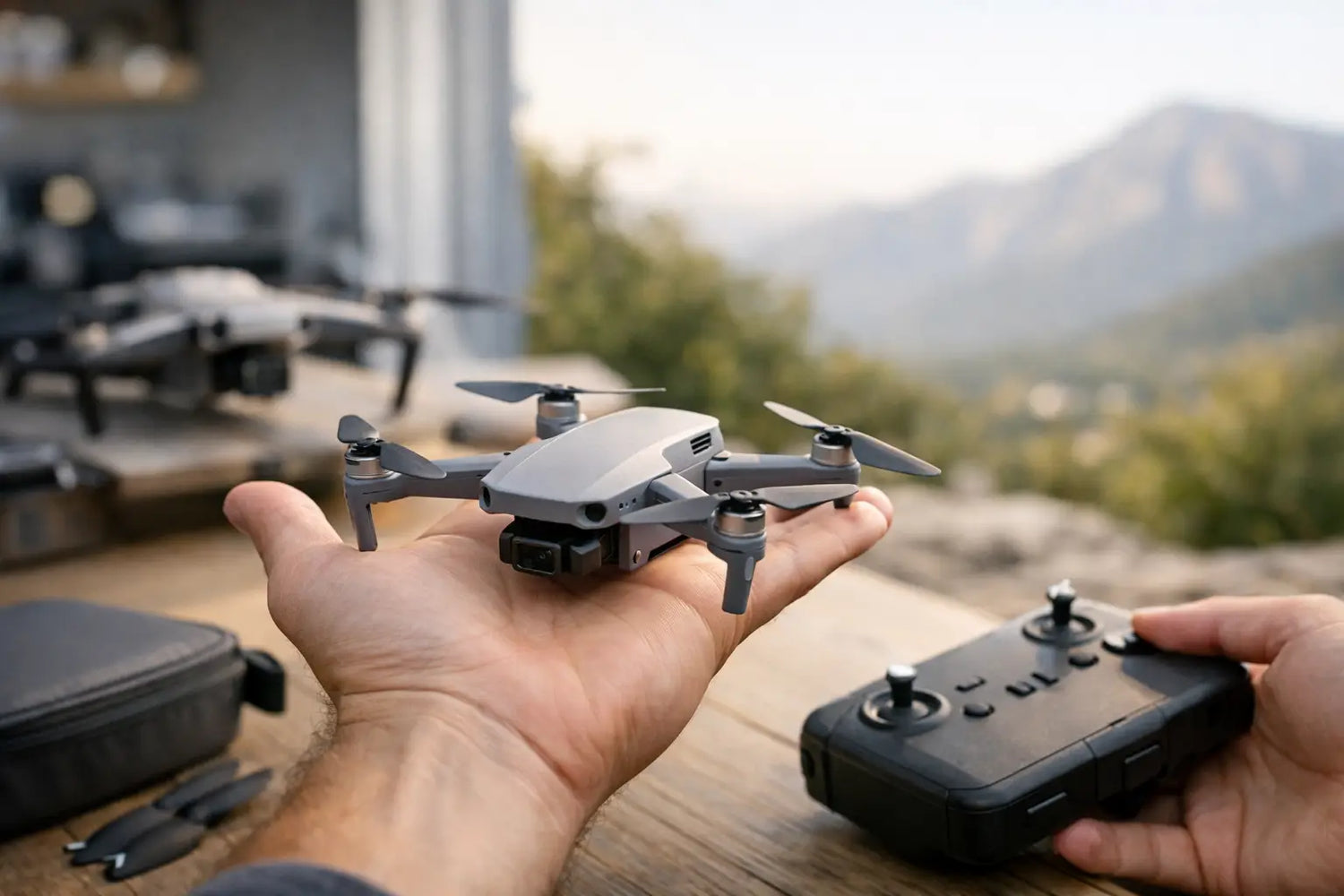
That first drone purchase usually starts the same way - you see a slick flight clip, imagine getting your own overhead shots, then fall into a scroll spiral of specs, prices, and mystery features. If you’re wondering how to buy a beginner drone without wasting money on something frustrating, the good news is you do not need the fastest, fanciest model on the page. You need the one that makes learning easy.
A beginner drone should feel fun in the first hour, not like a flying homework assignment. That means stability matters more than speed, durability matters more than bragging rights, and simple controls matter more than a giant list of features you will not use yet. The best first buy is not the most advanced drone. It is the one you will actually feel confident taking outside and flying again tomorrow.
How to buy a beginner drone starts with your real use
Before you compare batteries, camera specs, or range claims, ask one simple question: what do you actually want this drone to do? That answer changes everything.
If you want a fun gadget for casual flights in the park, a compact entry-level quadcopter with basic stabilization is usually enough. If your goal is social-ready video, then camera quality and hover stability jump higher on the list. If you’re buying for a teen or total first-timer, durability and beginner-friendly controls matter more than cinematic performance.
This is where a lot of people overspend. They shop for their future expert self instead of their current skill level. A beginner who buys a high-performance drone with touchy controls can end up nervous to fly it. A simpler drone with training features often leads to more practice, better confidence, and fewer crashes into trees, fences, or that one roof you really do not want to explain.
Set a budget that includes more than the drone
The price tag on the product page is only part of the cost. When thinking about how to buy a beginner drone, it helps to plan for the full starter setup.
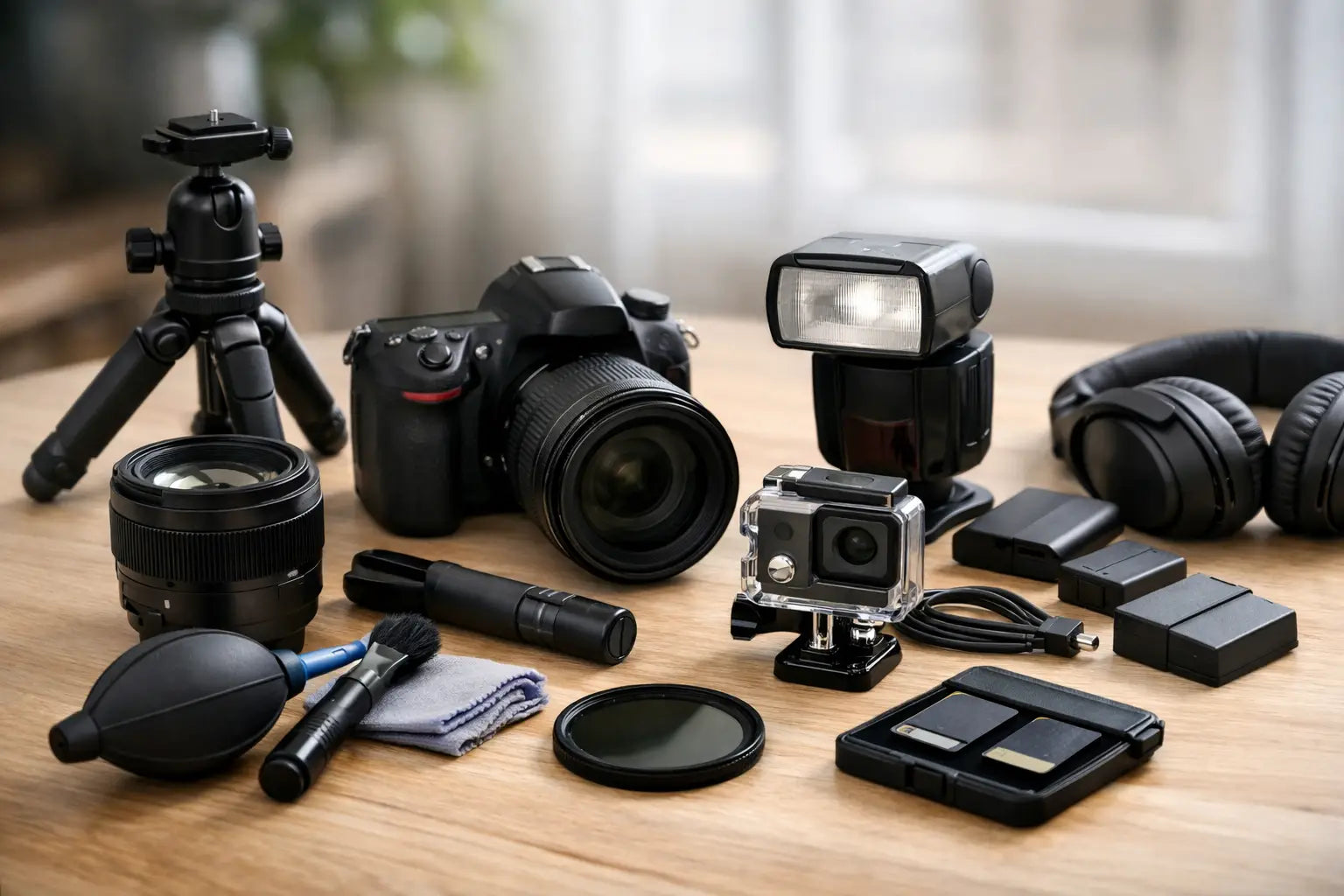
At minimum, expect to think about spare batteries, replacement propellers, a carrying case, and maybe propeller guards if you’re still getting comfortable. If the drone uses an app, make sure your phone is compatible. If the battery life is short, one extra battery can make the difference between a five-minute test and a real practice session.
For most beginners, the sweet spot is usually not the absolute cheapest drone and not the premium flagship either. Ultra-cheap drones can be fun, but they are often harder to control in light wind and may have weak cameras or short battery life. Premium drones can be amazing, but they often come with a price that makes every small mistake feel expensive. The happy middle is where many first-time buyers get the best value.
The features beginners should actually care about
Spec lists can get weird fast. You do not need to obsess over every number. You do need to know which features genuinely make a first drone easier to enjoy.
Stable hovering is one of the biggest ones. A drone that can hold position well is less stressful to learn on and easier for taking basic photos or video. Altitude hold is especially helpful because it reduces one layer of control while you’re learning direction and movement.
Headless mode can also be useful for beginners. It simplifies orientation, which matters a lot when the drone is facing you and your brain suddenly forgets left from right. One-key takeoff and landing is another small feature that feels big when you’re just starting.
Battery life matters, but keep your expectations realistic. Many beginner drones do not stay in the air for very long per battery. That is normal. What matters more is whether the flight time feels fair for the price and whether extra batteries are easy to get.
Camera quality is where a lot of marketing gets dramatic. For a first drone, smooth footage often matters more than huge resolution claims. A basic camera on a stable drone can look better than a sharper camera on a drone that drifts, shakes, or responds poorly.
What to skip when you’re new
Some features sound exciting but are not must-haves for a first purchase. Extremely long range is not a big win if you are still practicing nearby. Sport modes and aggressive speed settings can be fun later, but they are not where most beginners should start. Advanced obstacle avoidance is helpful on some models, but it should not replace learning safe flight habits.
Also, be careful with feature overload. If the app interface looks like a pilot training dashboard and the controls feel crowded, that can take some of the fun out of your first few flights. Beginner-friendly usually means fewer headaches, faster setup, and more time flying.
Size matters more than people think
Small drones are easier to store, easier to carry, and often less intimidating to fly. That makes them great for casual users, apartment dwellers, travelers, and anyone who wants a drone that actually gets used instead of sitting in a closet.
But there is a trade-off. Very lightweight drones can struggle more in windy conditions. If you live somewhere breezy or plan to fly outside often, a slightly more solid model may feel more stable. Indoor flying sounds easy, but it can also be tricky in tight spaces, so do not assume tiny automatically means beginner-proof.
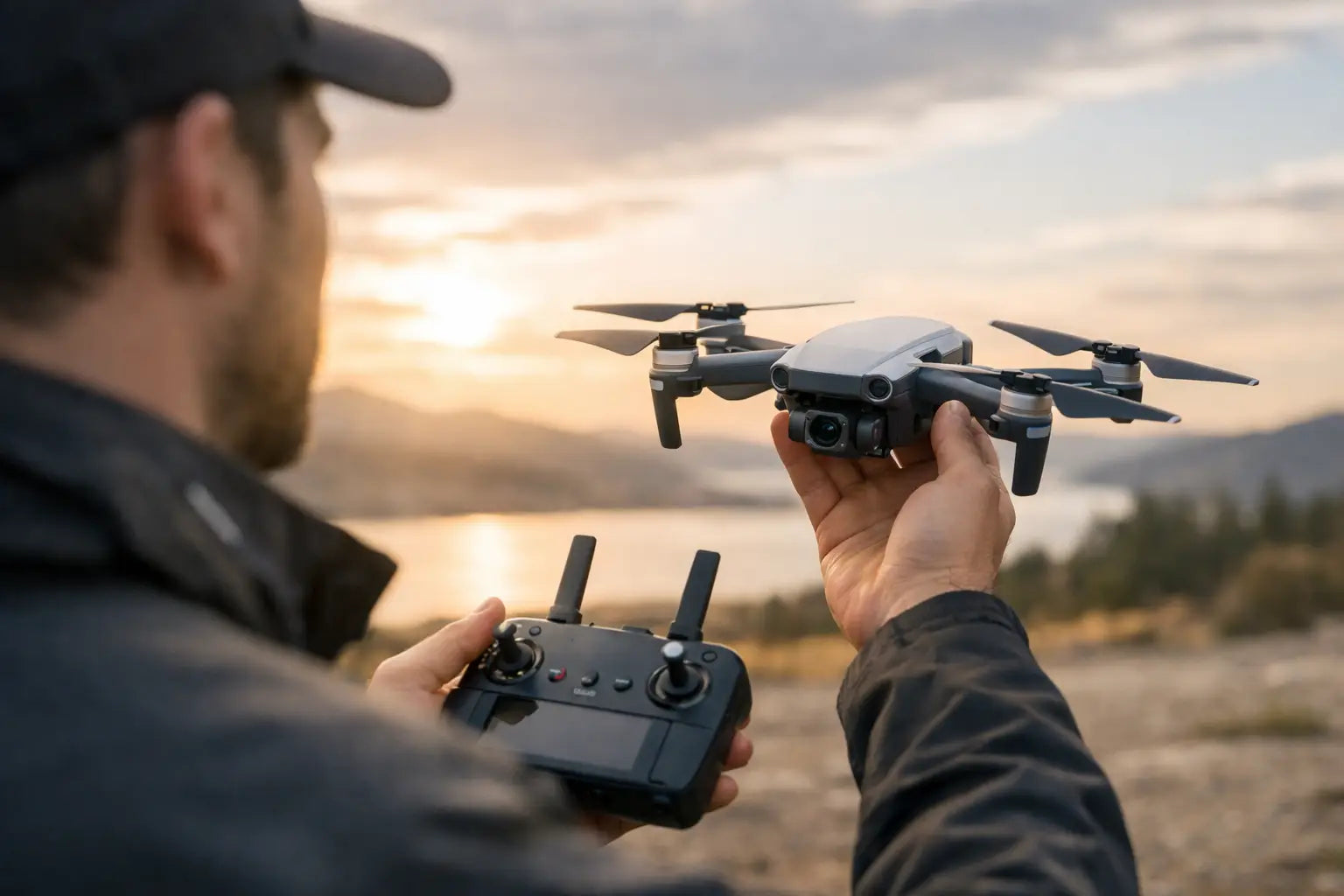
If you want the easiest learning curve, think about where you will fly most. Open outdoor space with light wind gives a beginner the best chance of success.
How to spot a beginner drone that is worth buying
This part is less glamorous, but it saves regret. Look at the basics first: control simplicity, flight stability, battery expectations, build quality, and whether replacement parts are easy to find.
Product reviews can help, but read them with some common sense. A review complaining that an entry-level drone is not movie-studio quality is not very useful. A review saying setup was confusing, controls lagged, or batteries failed quickly is more relevant. Look for patterns, not one dramatic comment from someone who may have flown it straight into a swimming pool.
Photos and videos from real buyers can be surprisingly helpful too. They show what the drone and footage look like outside of polished promo clips. If a product consistently looks easy to handle and gets positive feedback on stability, that is often a better sign than a flashy spec sheet.
Safety and rules are part of the buying decision
A lot of first-time buyers think about the drone first and the rules later. Flip that order. Depending on the model and where you live, there may be registration requirements, location restrictions, and common-sense flight rules you need to know.
Even if a drone is beginner-friendly, you still want to fly responsibly. That means avoiding crowded areas, respecting privacy, checking local rules, and staying alert to weather. Wind can humble a new pilot very quickly.
This matters for buying because a beginner who plans to fly casually in open spaces may not need the same setup as someone who wants regular outdoor filming. The more realistic you are about where and how you will fly, the easier it is to choose well.
Should you buy a drone with a camera?
Usually yes, but it depends on why you want one. For many first-time buyers, a built-in camera adds more fun immediately. Even simple aerial shots make the experience feel rewarding. You get that wow moment faster, which is a good thing when you are learning.
That said, if your budget is tight, a no-frills drone focused on stable flight can still be a smart starter. Flying skills come first. A weak camera should not be the reason you pass on a drone that is easier to control and better built.
If content creation is your main goal, lean toward a model that balances stabilization and image quality instead of chasing giant resolution numbers alone. A cleaner, steadier 1080p clip often beats shaky footage with a bigger label on the box.
When a cheap beginner drone is a smart buy
Sometimes a lower-cost drone is exactly the right move. If you are not sure how often you will use it, or you are buying for a younger user, affordability can be a major win. You can learn the basics, figure out what features matter to you, and upgrade later with more confidence.
The trick is not buying cheap just to buy cheap. You still want a drone that offers decent control, consistent connection, and enough durability to survive beginner mistakes. If the experience is too frustrating, you are not saving money. You are just paying less for disappointment.
That is why stores like Timo Market can appeal to first-time gadget shoppers - people want something exciting, useful, and budget-friendly without turning one purchase into a research marathon.
The best mindset for your first drone purchase
The smartest way to buy your first drone is to shop for momentum, not perfection. You want a model that gets you flying quickly, helps you improve, and makes the whole experience feel fun instead of nerve-racking.
If a drone is stable, easy to learn, reasonably durable, and priced in a range that does not make every takeoff feel terrifying, you are probably looking in the right place. Fancy extras can wait. Confidence cannot.
Your first drone does not need to be your forever drone. It just needs to be the one that gets you off the ground and makes you want to go back out for one more flight.



Commenta
Questo sito è protetto da hCaptcha e applica le Norme sulla privacy e i Termini di servizio di hCaptcha.