
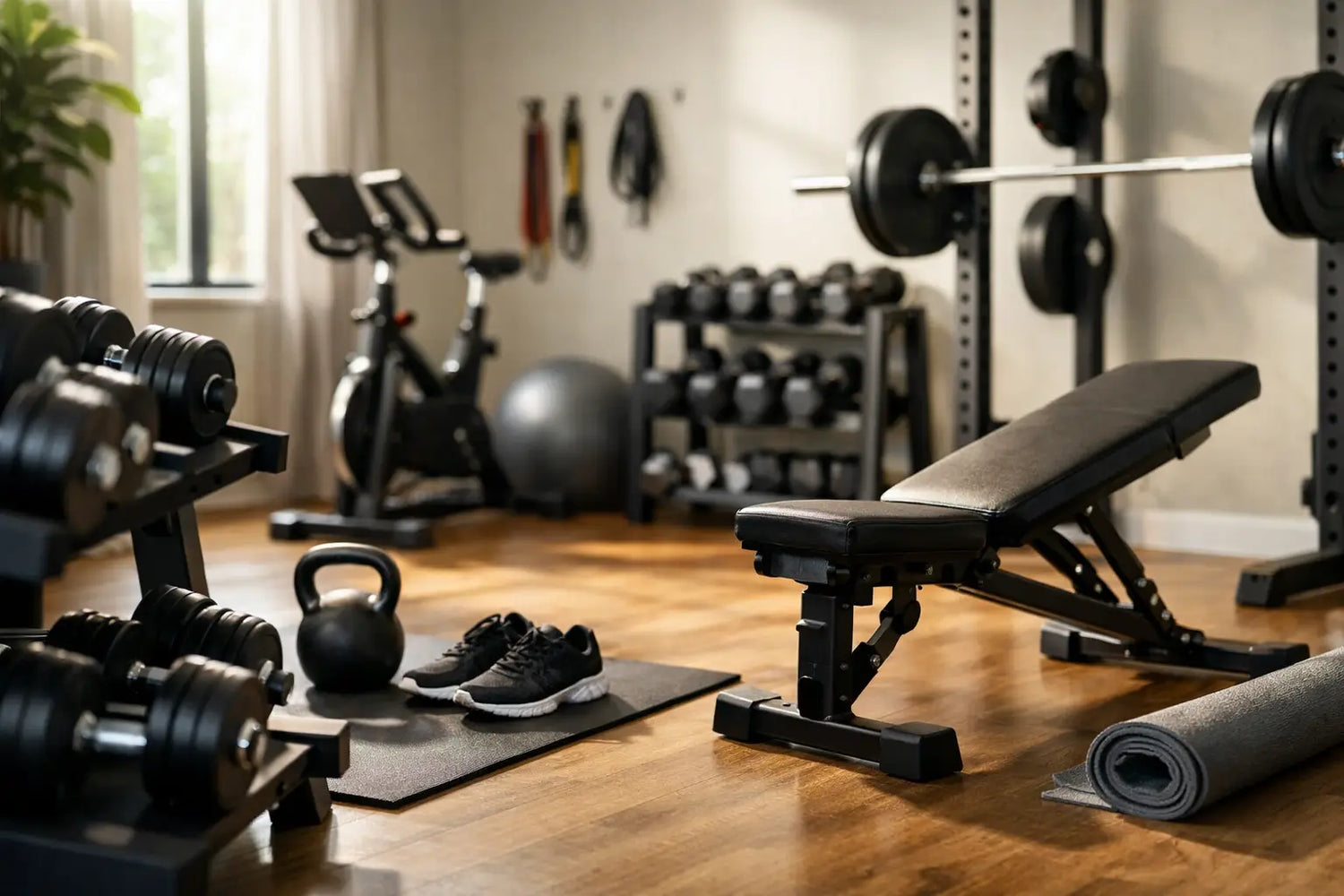
That corner in the garage. The spare bedroom that became a storage unit. The apartment nook currently holding one chair, three delivery boxes, and big fitness ambitions. If you’re figuring out how to build a home gym, the real goal is not creating a fancy-looking setup. It’s building a space that makes working out easier than skipping it.
That’s where a lot of people go wrong. They buy random gear, chase influencer setups, or fill a room with equipment they barely touch after two weeks. A good home gym should feel exciting, yes, but also practical. It should match your goals, your space, and your budget without turning your home into a cluttered sporting goods aisle.
How to build a home gym without wasting money
Start with one question: what kind of workouts are you actually willing to do consistently?
Not your fantasy routine. Your real one. If you like strength training, your setup should lean into resistance tools, a bench, and enough floor space to move safely. If you prefer quick cardio sessions, compact gear might matter more than heavy lifting options. If your workouts live somewhere in the middle, versatility wins.
This matters because your home gym is not a commercial fitness center. It doesn’t need ten machines that each do one thing. It needs a few smart pieces that do a lot.
The best setups usually begin with movement patterns, not products. Think pushing, pulling, squatting, hinging, core work, and some form of conditioning. Once you know what you want to train, buying equipment becomes much easier. Suddenly, every purchase has a job.
Pick your space before you pick your equipment
A lot of people shop first and measure later. That’s how you end up with a bench that blocks the door or a treadmill that dominates your living room like an unpaid roommate.
Before you buy anything, decide where your gym will live. It could be a garage, basement, guest room, patio corner, or a small section of your bedroom. What matters most is usable space, ceiling height, ventilation, and flooring.
You do not need a huge room. For many people, a clear area large enough for a yoga mat plus a little extra side-to-side room is enough to start. If you want to add a bench, rack, or larger cardio machine, then dimensions become more important.
Ceiling height is the part people forget. If you plan to do overhead presses, jump rope, or use taller equipment, low ceilings can become a fast buzzkill. Floors matter too. Carpet can feel unstable for lifting, while hard floors may need protective mats to reduce noise and wear.
A home gym should also be easy to access. If setting up your workout requires moving furniture, dragging out equipment, and negotiating with three storage bins, motivation drops fast. Convenience is the secret weapon.
Build around your goal, not the hype
If your goal is strength, start with resistance equipment that can grow with you. Adjustable dumbbells are one of the smartest buys for small spaces because they replace a whole rack of weights. Resistance bands add surprising versatility for warmups, rows, presses, and mobility work. A sturdy adjustable bench expands what you can do without taking over the whole room.
If your goal is fat loss or general fitness, a mix of resistance training and cardio usually works better than cardio alone. That could mean dumbbells plus a jump rope, or kettlebells plus a compact bike. The exact combo depends on your joints, schedule, and what you find least boring.
If your goal is flexibility, low-impact movement, or short daily sessions, you may need less equipment than you think. A mat, bands, sliders, and one or two weighted tools can go a long way.
This is the part where trend-chasing gets expensive. Not every viral product belongs in your house. Some gear looks amazing online but collects dust in real life. Buy for repeat use, not for novelty value alone.
The best first purchases for most home gyms
If you want a setup that covers the most ground without blowing your budget, start simple. A good beginner-to-intermediate home gym often includes five essentials: a mat, resistance bands, adjustable dumbbells or kettlebells, a bench, and storage.
The mat protects your floor and gives you a dedicated workout zone. Bands are affordable, compact, and useful at nearly every fitness level. Adjustable weights save space and money over time. A bench unlocks more exercise options. Storage sounds boring, but it keeps your setup looking clean and ready, which makes you more likely to use it.
From there, you can add based on your training style. Pull-up bars, ab rollers, suspension trainers, compact cardio machines, and weighted vests can all make sense. It depends on your goals and your space.
If you’re working with a tighter budget, start with the tools that offer the biggest range of use. You do not need everything on day one. A home gym can be built in phases, and honestly, that’s usually the smarter move.
Budget matters, but so does quality
Here’s the balancing act: cheap equipment can save money upfront, but badly made gear often feels awkward, wears out fast, or becomes a safety issue. On the flip side, spending top dollar on every item is not necessary for most people.
The sweet spot is buying affordable gear that gets frequent use and upgrading later if needed. Items that handle load-bearing, like benches or weight systems, deserve more scrutiny. Accessories like bands, mats, and recovery tools can often be added more affordably.
If you’re trying to figure out how to build a home gym on a realistic budget, think in layers. First, cover the basics. Next, improve comfort and convenience. After that, upgrade performance.
That might look like this in practice: get the dumbbells before the fancy storage wall, the mat before the LED mood lighting, and the solid bench before the niche machine you saw in one impressive setup video at 1:12 a.m.
Don’t ignore the feel of the room
A home gym is functional, but it’s still part of your home. If the space feels dark, cramped, or chaotic, you’ll notice. A cleaner setup creates less friction.
Lighting helps more than people expect. Bright, clear lighting can make early workouts feel less painful and evening sessions less gloomy. Mirrors can make small spaces feel larger and help with form, though not everyone likes training in front of one. A fan or open window improves comfort fast, especially in garages or warmer rooms.
Organization matters too. Wall hooks, shelves, or compact racks make a small gym feel intentional instead of improvised. If your gear is easy to grab and easy to put away, the whole experience feels smoother.
This is one area where lifestyle products can quietly improve consistency. Small upgrades that make the room feel better often get more use than flashy add-ons that do not solve a real problem.
Common mistakes when building a home gym
The biggest mistake is overbuilding too early. You do not need to recreate a commercial gym to get great results. More equipment does not automatically mean more workouts.
Another mistake is buying gear for advanced routines before building the habit. If you’re new to training, consistency matters more than complexity. It’s better to have a simple setup you use four times a week than an elite-looking room you enter twice a month.
People also underestimate storage, noise, and flooring. Dropping weights on the wrong floor gets old fast. So does a setup that rattles through the house every morning. Planning for impact and sound can save you future frustration.
Then there’s the social media trap. Aesthetic matters, sure. But perfect color matching is not more important than function. Build a gym that works for your life first. Make it look great second.
How to know when to upgrade
Once your workouts feel limited by your equipment rather than your effort, it’s probably time. Maybe your adjustable weights no longer go heavy enough. Maybe you’ve outgrown bands and need a rack. Maybe cardio indoors has become your thing and a machine finally makes sense.
Upgrade based on a pattern, not a mood. If you’ve used a piece of equipment consistently for months and want more options, that’s a strong sign. If you’re just bored and hoping a new gadget will fix it, maybe wait a week.
A smart home gym evolves with you. That’s part of the fun. You get to shape it around your habits, not someone else’s idea of the perfect setup.
How to build a home gym you’ll actually keep using
The answer is simpler than it looks. Make it easy to start. Make it fit your real life. Make it versatile enough to stay interesting without becoming cluttered.
That could mean a compact corner with a mat and adjustable weights. It could mean a full garage setup with strength and cardio zones. Both can work if they match your goals and remove excuses instead of creating them.
If you like discovering affordable upgrades that make everyday routines better, building your home gym should feel less like a massive project and more like stacking smart wins. Start with the gear that earns its place, leave room to grow, and create a space that makes you want to show up tomorrow.





Commenta
Questo sito è protetto da hCaptcha e applica le Norme sulla privacy e i Termini di servizio di hCaptcha.