
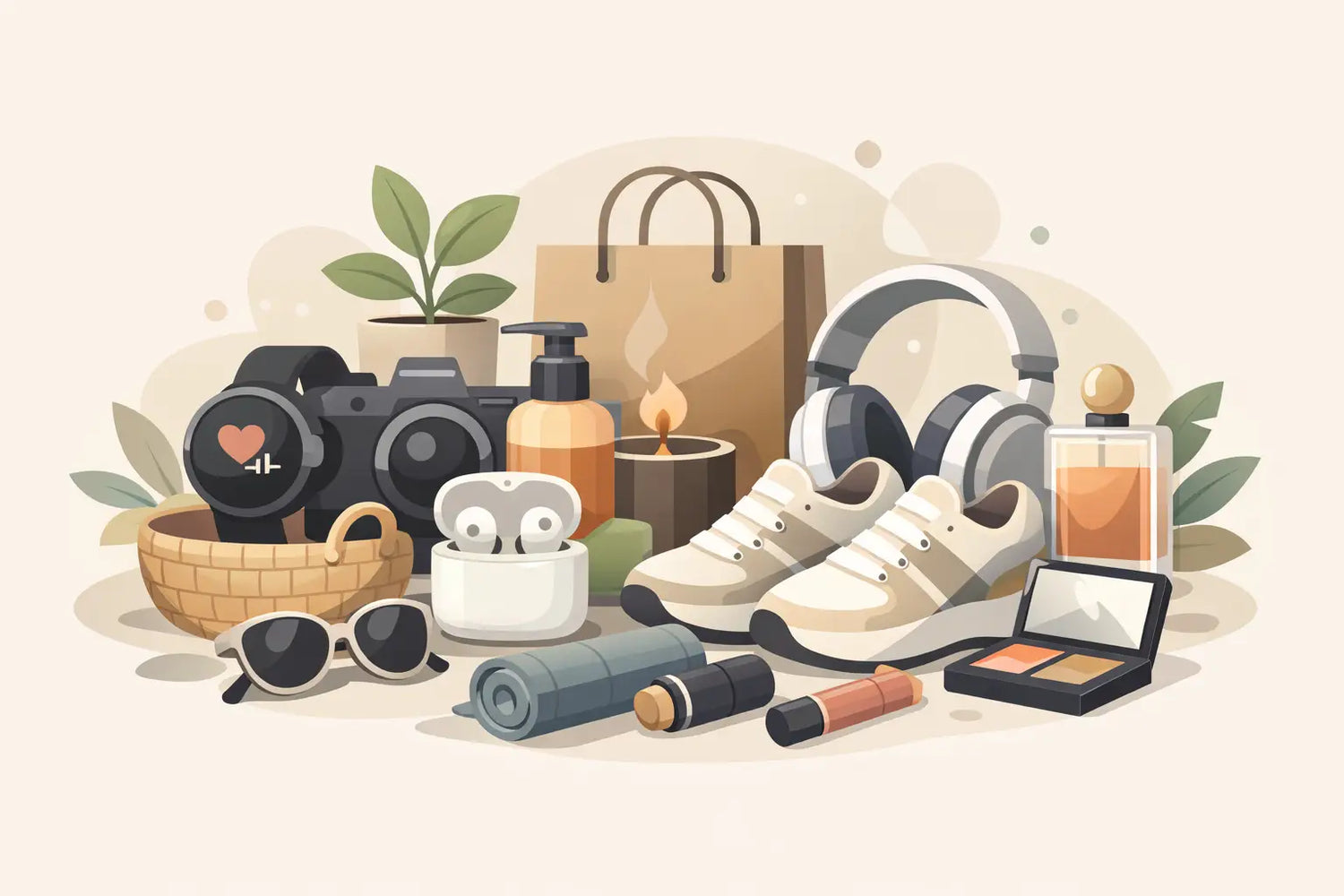
Some products get used once and forgotten in a drawer. Others slide into your routine so fast they feel like they were always supposed to be there. That is what makes lifestyle products examples so useful to study - they are not just things people buy, but things people keep reaching for because they make daily life easier, better-looking, more fun, or a little more personal.
If you run a store, build a product list, or just want to spot what people actually love buying, lifestyle products sit in a sweet spot. They are practical enough to justify the purchase, but exciting enough to feel like an upgrade. That mix matters. People are rarely shopping for “stuff.” They are shopping for a better setup, a more comfortable routine, a cleaner desk, a stronger workout, or a room that finally has some personality.
What lifestyle products actually are
Lifestyle products are items that support how someone lives, relaxes, works out, decorates, travels, or expresses themselves. They are usually tied to habits and identity. A phone case is just an accessory until it also protects a daily essential, matches someone’s style, and adds convenience. A lamp is just a lamp until it changes the mood of a room and becomes part of a nightly routine.
That is why the category can feel broad. It includes home upgrades, tech accessories, fitness tools, gaming gear, and products with a strong personal style angle. The common thread is not the department they sit in. It is the role they play in everyday life.
12 lifestyle products examples that people actually buy
1. Phone accessories
Phone accessories are one of the clearest lifestyle product wins because people use their phones all day. Cases, stands, chargers, mounts, and screen add-ons all solve a repeated need. They are easy to understand, easy to gift, and easy to replace when style or function changes.
The best part is the category has range. Some shoppers want protection. Others want convenience for commuting, content watching, or working on the go. That means the same product family can appeal to different lifestyles without feeling forced.
2. Ambient lighting
Lighting has quietly become one of the most shareable lifestyle categories online. A small lamp or mood light can change a desk, bedroom, gaming setup, or apartment corner in seconds. It is visual, affordable, and instantly satisfying.
This is also a category where emotion matters as much as function. People are not always buying light output. They are buying a vibe. That makes ambient lighting strong for shoppers who want a room to feel more relaxing, more modern, or more like their own.
3. Anime-inspired activewear
Apparel gets more interesting when it blends self-expression with function. Anime-inspired activewear does exactly that. It gives people something they can wear for workouts, casual outings, or lounging, while also reflecting interests they already care about.
This is a good reminder that lifestyle products do not have to be universally neutral. Sometimes a niche identity makes a product stronger, not smaller. A more specific aesthetic can create a more loyal customer.
4. Home gym equipment
Home gym gear remains one of the strongest lifestyle categories because it connects directly to routine and self-improvement. Resistance tools, compact strength equipment, and at-home training gear promise convenience first. People like the idea of removing friction from working out.
The trade-off is that not every piece of equipment earns long-term use. Large or complicated gear can become clutter fast. Simpler, space-friendly items usually fit more lifestyles because they feel easier to start using right away.
5. Training accessories
Training accessories are the everyday sidekicks of fitness. Think grip tools, support straps, mobility items, and add-ons that make workouts more comfortable or more effective. They are often less expensive than core equipment, which makes them easier impulse buys.
They also work well because they target a specific problem. Maybe someone wants better form, stronger recovery, or more variety in a workout. Products that answer one clear frustration tend to outperform products that try to do everything.
6. Retro gaming consoles
Retro gaming products hit two powerful triggers at once: entertainment and nostalgia. People buy them for fun, but also for the feeling attached to them. They can be a personal purchase, a conversation piece, or a gift that lands instantly.
Not every entertainment product has lifestyle value, but retro consoles often do because they shape how people spend downtime. They create easy at-home fun without a huge learning curve. That broad appeal matters.
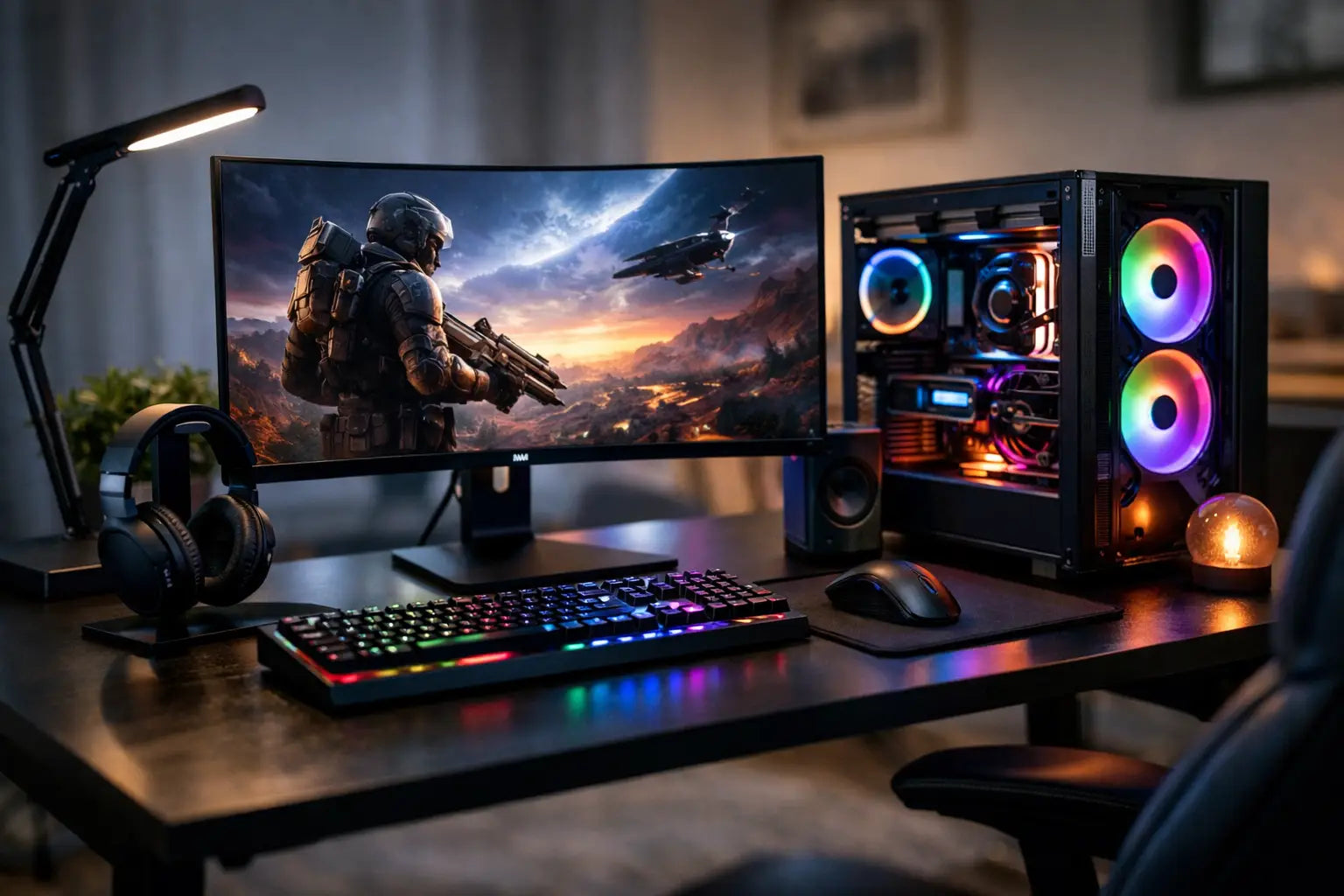
7. Gaming accessories
Gaming accessories are lifestyle products when they improve comfort, performance, or setup aesthetics. Controllers, headset stands, desk add-ons, and console extras all help create a more enjoyable experience.
This category works especially well because it lives at the intersection of hobby and identity. For some shoppers, a gaming setup is part utility and part self-expression. A product that upgrades both sides has a stronger chance of getting attention.
8. Desk setup products
Desk products deserve more love in any conversation about lifestyle products examples. Stands, organizers, lighting, and comfort-focused accessories support work, study, gaming, and content consumption all in one place.
Since so many people spend hours at a desk, even small improvements feel meaningful. The best desk products solve visible annoyances - cable mess, awkward viewing angles, bad lighting, or wasted space. If a product makes a setup look cleaner and work better, it has real staying power.
9. Room decor with function
Some products look decorative at first but earn their place through utility. That could be a light that doubles as decor, a display item with storage value, or an organizer that actually improves the feel of a room.
These products do well because they avoid the “nice but unnecessary” problem. They still deliver style, but they also make a space easier to use. That balance is where a lot of smart lifestyle buying happens.
10. Portable convenience gadgets
Portable gadgets earn attention when they save time or reduce hassle outside the house. That can include charging helpers, travel-friendly accessories, and compact tools people keep in a bag, car, or daily carry setup.
The caution here is simple: novelty alone is not enough. A gadget can look clever in a video and still end up ignored. The stronger products are the ones that fix a common annoyance in a way that feels immediate and obvious.
11. Recovery and wellness tools
Products that support recovery, stretching, or relaxation fit naturally into the lifestyle category because they connect to better daily habits. They are often purchased by people who want to feel better without overhauling their entire routine.
That matters because huge behavior changes are hard to sustain. A smaller product that supports five extra minutes of recovery or a more comfortable evening routine can feel much more realistic. Shoppers tend to respond well to products that improve life without asking for a personality transplant.
12. Giftable trend products
Some lifestyle products win because they make easy gifts. They are useful, interesting, and priced in a way that feels low-risk. This could include small tech upgrades, room accessories, novelty fitness finds, or entertainment items with broad appeal.
Giftability matters more than people think. A product does not have to become someone’s deepest obsession. It just has to make enough sense, fast enough, for someone to say, “Yeah, they’d like this.”
Why these lifestyle products examples work
The strongest products usually land in one of four zones: convenience, entertainment, self-improvement, or personal expression. The real winners often hit two or three at once. A room light is more than decor if it also changes mood and improves a setup. A phone accessory is stronger when it protects, simplifies, and looks good.
This is also why broad general stores can perform well with lifestyle products. People rarely shop in neat category boxes. Someone looking for a charger may also want a gaming add-on or a compact fitness product if it fits the same bigger goal of upgrading daily life. That curated discovery factor is powerful when the products feel connected by lifestyle, not just by inventory.
How to spot a strong lifestyle product
A good lifestyle product usually answers a simple question: does this make everyday life noticeably better? Better can mean easier, cooler, more organized, more fun, or more motivating. If the benefit takes too long to explain, the product may struggle.
It also helps if the product shows well. Lifestyle products are often visual purchases. Shoppers want to imagine the item in their room, on their desk, in their gym corner, or in their bag. Products with obvious before-and-after value tend to move faster because the transformation feels immediate.
Price matters too. A product does not need to be cheap, but it should feel worth it fast. That is especially true for trending items and giftable finds. If the value is not clear in seconds, people scroll.
The trade-offs behind trendy lifestyle products
Not every trending item deserves the hype. Some products look great in short-form content and disappoint in real life. Others are genuinely useful but only for a narrow audience. That is normal.
The trick is knowing whether a product supports a repeat behavior or just a moment of curiosity. Products tied to daily habits usually last longer. Products built only on novelty can still sell, but they need stronger presentation, sharper pricing, or gift appeal to keep momentum.
For stores like Timo Market, the sweet spot is curated variety with a clear reason to care. Shoppers love discovering something unexpected, but they still want that purchase to make sense once it arrives.
The best lifestyle products are the ones that feel fun before checkout and useful after delivery. If a product can do both, it has a real shot at becoming part of someone’s everyday life.




Leave a comment
This site is protected by hCaptcha and the hCaptcha Privacy Policy and Terms of Service apply.