
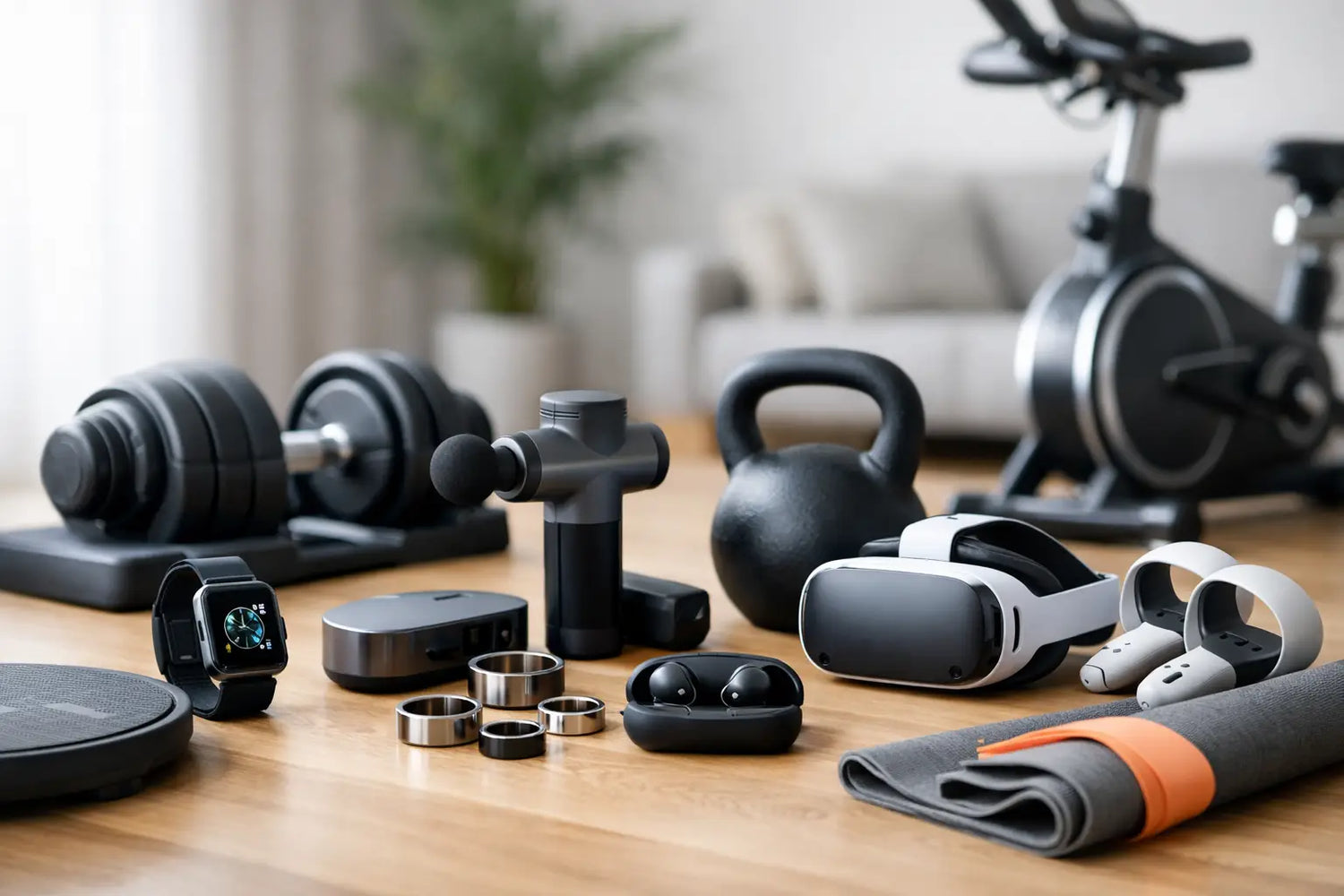
A few years ago, a home gym usually meant one of two things - a dusty treadmill becoming an expensive coat rack, or a pile of resistance bands stuffed in a drawer. Now the setup looks very different. The biggest home fitness gear trends are all about getting more results from less space, less friction, and gear that actually fits real life.
That shift matters because most people are not trying to build a pro-level training studio in the garage. They want equipment that is easy to use, simple to store, and flexible enough for quick morning sessions, late-night workouts, or a solid sweat break between work calls. If a piece of gear makes workouts feel easier to start, it has a much better shot at becoming part of your routine.
Why home fitness gear trends are changing
The old model was simple: buy one huge machine and hope motivation follows. That still works for some people, but the market has moved toward smarter, lighter, and more adaptable equipment. People are shopping for gear that can do more than one job, especially if they live in apartments, share space, or just do not want their living room to look like a commercial gym.
There is also a style factor now. Fitness gear is no longer stuck in the ugly black-and-gray era. More shoppers want equipment that looks clean, modern, and display-friendly. If a workout item blends into your space instead of wrecking the vibe, you are more likely to leave it out and actually use it.
Price plays a role too. A lot of buyers are not looking for one giant investment. They are building smarter setups over time with versatile pieces that give them more training options without crushing the budget.
1. Compact strength gear is winning
Strength training at home is having a serious moment, and not just with heavy lifters. More people want simple tools that support muscle building, toning, balance, and mobility without taking over the room.
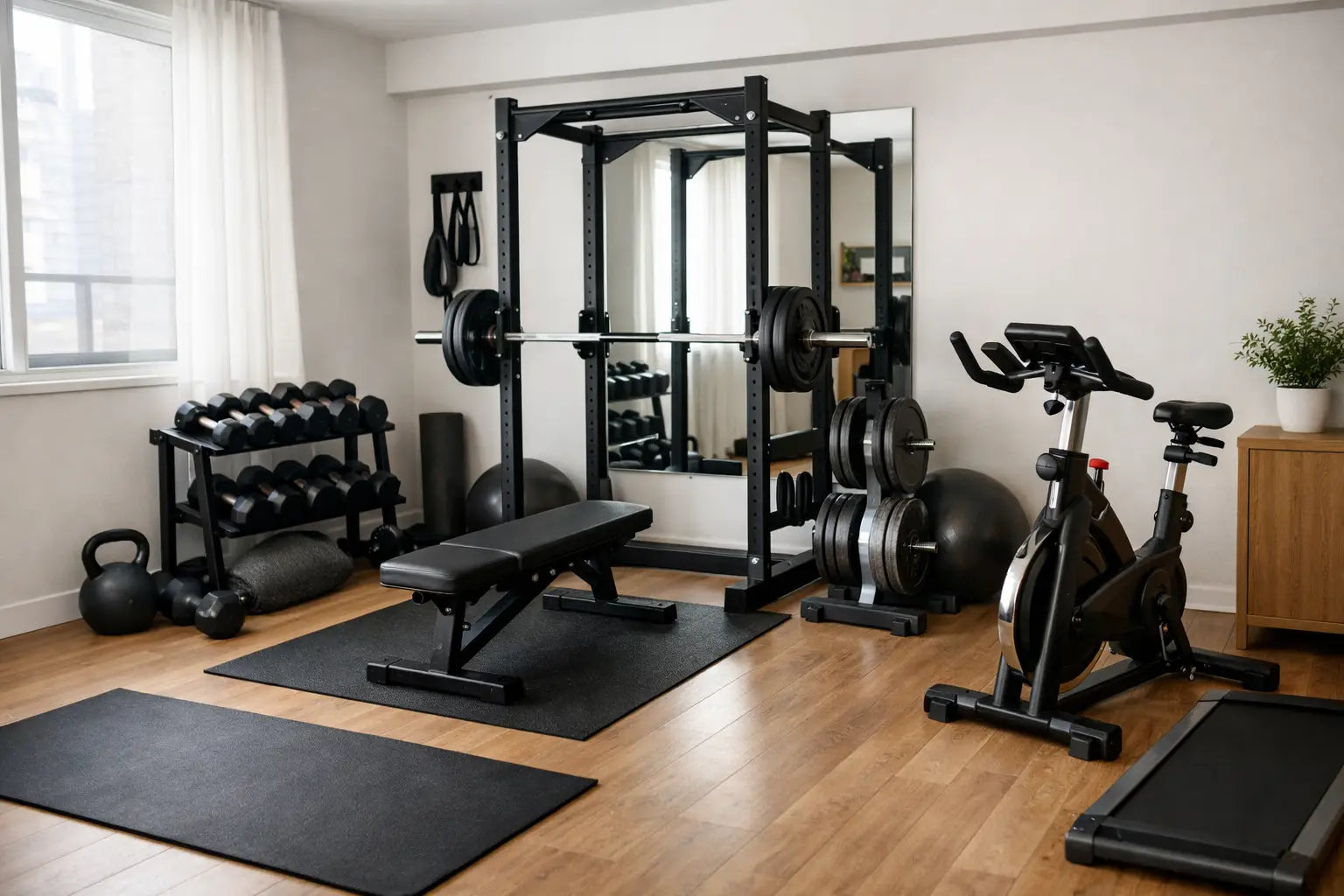
Adjustable dumbbells, foldable benches, resistance bands, weighted bars, and compact kettlebells are leading the way. The appeal is obvious: one small setup can support dozens of workouts. You can train upper body, lower body, core, and conditioning without needing a dedicated gym room.
The trade-off is that compact gear often asks you to be a little more intentional. You may need to learn exercise variations or program your workouts better instead of relying on a giant machine to guide the movement. For most home users, that is still a great deal.
2. Recovery gear is no longer optional
One of the biggest surprises in home fitness gear trends is how fast recovery tools have moved from nice-to-have to must-have. People are not just shopping for the workout anymore. They are shopping for what helps them feel good enough to do the next one.
Massage guns, foam rollers, stretching straps, mobility balls, and percussion devices have become part of the everyday setup. That makes sense. If your workouts leave you sore, stiff, and annoyed for three days, consistency gets a lot harder.
Recovery gear is especially popular with people balancing fitness with desk jobs, gaming sessions, and screen-heavy routines. A quick mobility session or targeted muscle release can make a noticeable difference, even if your actual workout was only 20 minutes.
3. Connected gear is getting smarter
Home workouts used to feel isolated. Now more equipment is designed to sync with apps, track stats, or support guided training. Smartwatches, connected jump ropes, digital timers, heart rate trackers, and app-friendly cardio tools are making home exercise feel more interactive.
For some people, that data is motivating. Seeing reps, calories, time, or heart rate zones can make progress feel real. It also helps remove the guesswork from pacing and recovery.
Still, there is an it-depends factor here. Not everyone needs another screen in their life. Some shoppers do better with simple gear and zero notifications. The sweet spot is gear that adds useful feedback without turning every workout into a spreadsheet.
4. Low-impact cardio is getting more attention
Not everybody wants to run. Not everybody can run. And not everybody wants a giant cardio machine permanently parked next to the couch. That is why low-impact cardio gear is trending hard.
Portable steppers, walking pads, mini bikes, jump trainers, and compact row-style machines are getting more attention from people who want movement without a brutal learning curve. These tools tend to fit better into daily life, especially for users who want to build activity around work-from-home routines.
Walking pads are a great example. They are not flashy, but they match how people really live. You can slide one out, get steps in, and put it away. That convenience matters more than hype when the goal is consistency.
5. Multi-use gear is beating single-purpose machines
A lot of shoppers have learned this lesson the expensive way: if a machine only does one thing, it needs to do that one thing incredibly well. Otherwise, it turns into a large reminder that you made a very optimistic purchase.
Multi-use gear is trending because it delivers better value and more variety. A resistance band set can support strength work, warmups, stretching, and rehab-style movement. An adjustable bench can open up presses, rows, step-ups, core work, and more. Even training accessories like sliders or ankle straps can create fresh workout options without adding clutter.
This trend is especially strong for budget-conscious shoppers who still want a setup that feels versatile and exciting. A few smart pieces can outperform a room full of random equipment.
6. Aesthetic fitness gear is a real thing now
Yes, looks matter. No, that is not shallow. If your gear fits your space, you are more likely to keep it accessible. If it is accessible, you are more likely to use it.
That is why more home fitness products are showing up in cleaner colors, sleeker finishes, and more compact silhouettes. People want gear that feels modern instead of industrial. This is especially true for small apartments, shared spaces, and content-friendly setups where your background is doing a lot.
The caution here is simple: pretty gear still needs to perform. Great design can help with motivation, but it cannot replace durability, stability, or comfort. The best products deliver both.
7. Accessories are becoming the real MVPs
Not every upgrade needs to be big. Some of the fastest-growing categories are small training accessories that make workouts smoother, safer, or just more fun.
Think lifting gloves, sweat-resistant mats, core sliders, ankle bands, grip trainers, ab rollers, posture tools, and supportive straps. These products usually cost less, take up almost no space, and can noticeably improve your training experience. They are also easier to impulse-buy, gift, or add onto a growing home setup.
For newer exercisers, accessories can reduce friction. For more experienced users, they help fine-tune performance. Either way, they are punching above their size.
8. Hybrid setups are replacing all-or-nothing routines
One of the most practical home fitness gear trends is the move toward hybrid fitness. People are no longer treating home workouts and gym workouts like rival teams. They are mixing both.
That changes what people buy. Instead of trying to replicate a full commercial gym, shoppers are picking gear that fills the gaps. Maybe the gym covers heavy lifting, while home gear handles recovery, mobility, core work, and quick cardio. Maybe home is for weekdays, and the gym is for weekends. Maybe travel-friendly accessories keep the routine alive when life gets messy.
This is a smarter way to shop because it focuses on what you will actually use. The goal is not to own everything. The goal is to remove excuses.
How to shop these trends without wasting money
It is easy to get pulled in by whatever is trending on social media, especially when every piece of gear promises dramatic results. A better approach is to start with your routine, your space, and your personality.
If you hate setup time, avoid complicated equipment. If you live in a small apartment, prioritize foldable or stackable gear. If you get bored easily, choose versatile tools that support different workout styles. If recovery is your weak spot, buy the recovery tool before the fourth pair of resistance bands.
It also helps to think in layers. Start with a foundation like a mat, bands, or adjustable weights. Add one cardio option if that supports your goals. Then build around what you actually use, not what looks impressive in a product photo.
For shoppers who like discovering affordable upgrades, this is where a curated store experience can be surprisingly helpful. A broad mix of training accessories, compact home gym gear, and lifestyle-focused fitness products makes it easier to build a setup that feels personal instead of pieced together at random.
What these home fitness gear trends really say
The direction is pretty clear. People want home fitness gear that works with their lives, not against them. That means smaller footprints, smarter features, better aesthetics, more flexibility, and tools that support both training and recovery.
The best trend is not a specific product. It is the idea that home fitness can be practical, motivating, and easy to stick with. If your gear makes it simpler to move more often, feel better afterward, and keep coming back, that is not just a trend. That is a setup worth keeping.

Commenta
Questo sito è protetto da hCaptcha e applica le Norme sulla privacy e i Termini di servizio di hCaptcha.