
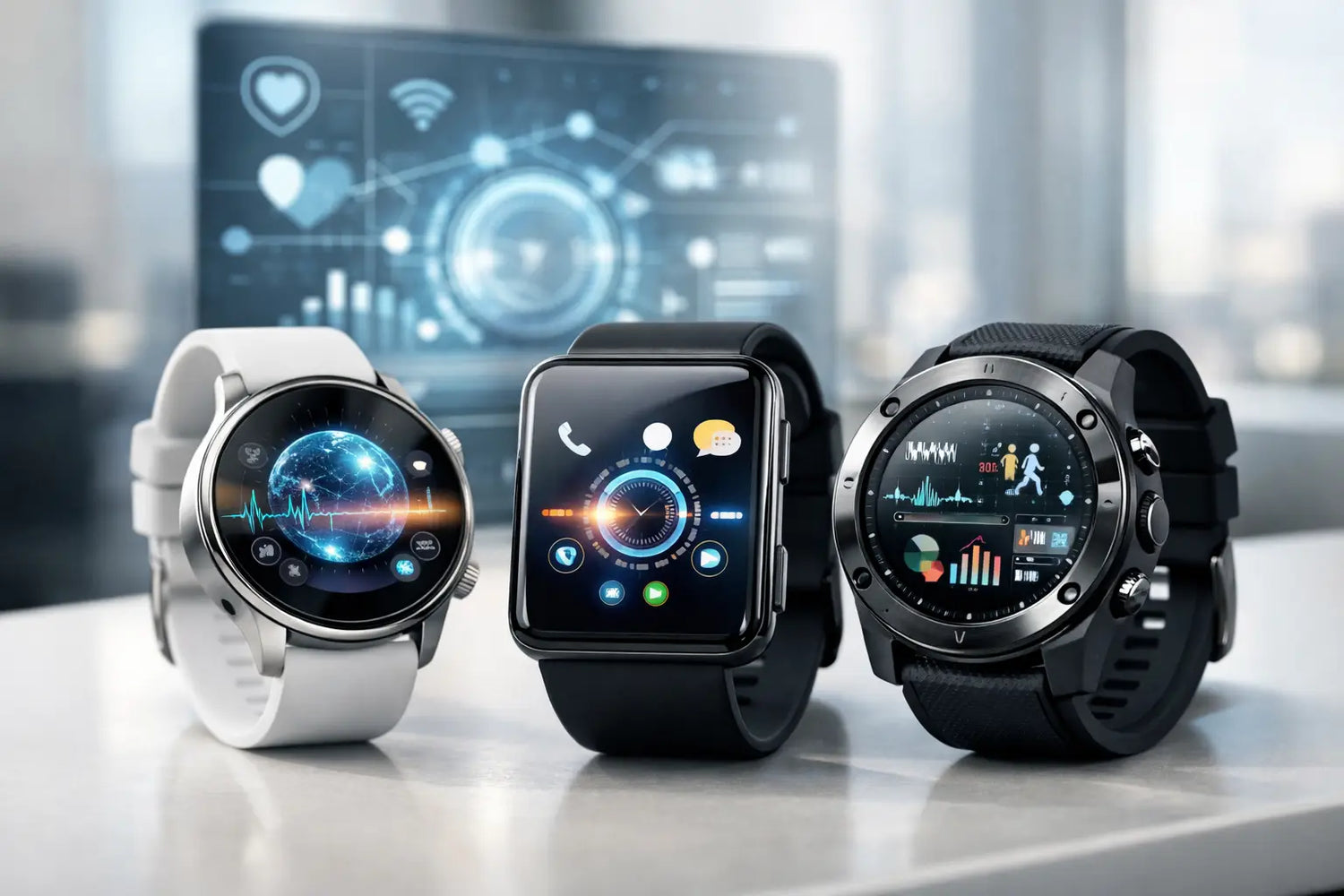
A smartwatch used to be a tiny notification screen strapped to your wrist. In 2026, it is becoming more like a personal control center for your health, workouts, sleep, style, and phone-free moments. The biggest smartwatch trends 2026 are not about adding random features for the spec-sheet flex. They are about making wearable tech more useful when your hands are busy, your phone is buried in a bag, or you simply want less screen time.
For shoppers, that means better choices - and more ways to avoid paying extra for features that sound cool but will never leave the settings menu. Here is what is changing, what is genuinely worth getting excited about, and what to check before you upgrade.
Smartwatch Trends 2026: Health Data Gets More Personal
Health tracking remains the headline act, but the trend is shifting from collecting numbers to making them easier to understand. Most people do not wake up hoping to analyze twelve charts before coffee. They want a clear answer to a simple question: should I train hard today, take it easy, or get some sleep?
Expect more watches to turn heart rate, sleep, activity, temperature changes, and stress signals into daily readiness-style guidance. The useful models will explain patterns over time rather than panic over one weird night of sleep or a single high heart-rate reading after chasing the bus.
Sleep tracking is getting more attention, too. Newer watches are improving at showing sleep duration, sleep stages, overnight heart-rate trends, and consistency. The trade-off is comfort. A large, heavy smartwatch may offer every metric imaginable, but it is not much help if you take it off before bed every night. For all-day and overnight wear, case size, weight, band material, and charging speed matter just as much as sensors.
It is also smart to keep expectations realistic. A consumer smartwatch can highlight trends and encourage healthier habits, but it is not a replacement for professional medical advice or diagnostic equipment. Think of it as a helpful nudge on your wrist, not a doctor in a tiny rectangle.
Battery Life Stops Being an Afterthought
The daily charging routine has been one of the least glamorous parts of smartwatch ownership. In 2026, longer battery life is moving from a premium bonus toward a buying priority. More shoppers want a watch that can track a full day, a workout, a night of sleep, and still have enough power left for tomorrow morning.
This does not mean every smartwatch will suddenly last two weeks. Bright always-on displays, GPS workouts, cellular connections, and continuous health tracking all use power. But improved processors, smarter power management, and more efficient displays are helping many devices stretch further between charges.
Fast charging is part of the story as well. A watch that can pick up enough power during a shower or while you make breakfast can be more practical than one with a bigger battery that takes forever to refill. When comparing options, look beyond the advertised maximum battery number. Check whether that estimate assumes GPS is off, the display is dimmed, or half the features are sleeping harder than you are.
More Phone-Free Freedom
Smartwatches are becoming better at handling the small tasks that make you reach for your phone 80 times a day. Contactless payments, music controls, quick calls, message replies, alarms, timers, maps, and workout tracking are all getting easier to use from the wrist.
Cellular-connected models are especially appealing for runners, gym sessions, dog walks, errands, and travel days. Leaving your phone behind feels surprisingly freeing until you remember you still need a place for your keys. The catch is that cellular service usually adds a monthly cost, and it can drain battery faster. It makes the most sense if you regularly exercise or commute without your phone, not just because the feature sounds futuristic.
Voice controls are also becoming more useful for quick commands. Setting a timer while cooking, starting a walk, or checking the weather without touching a screen is exactly the kind of small convenience a smartwatch should deliver. If a feature saves a few seconds several times a day, it adds up.
Fitness Tracking Expands Beyond Step Counts
Steps are still here, but fitness tracking in 2026 is more focused on the way people actually move. That means strength training, interval workouts, cycling, hiking, yoga, recovery days, and home workouts are getting more attention alongside running.
For gym fans, automatic workout detection and exercise tracking are becoming more refined. Some watches can recognize activity types, estimate heart-rate zones, count intervals, and help users see whether they are progressing. These features are handy, but accuracy can vary depending on the workout and the watch fit. Wrist-based tracking is great for a broad picture of effort, yet it may not perfectly count every rep during a fast, sweaty strength session.
GPS performance is another feature worth watching. Better location tracking matters for outdoor runners, hikers, cyclists, and anyone who likes exploring without turning every workout into a game of “where did I park?” If outdoor activity is your thing, prioritize reliable GPS and a display that stays readable in bright sunlight over a long list of novelty watch faces.
The Watch Becomes Part of Your Style Setup
The tech has to work, but it also has to look good on your wrist. One of the most visible smartwatch trends 2026 is greater personalization through case finishes, screen designs, and interchangeable bands. A watch can look sporty for a morning workout, clean and minimal for work, then more colorful for a night out with a quick band swap.
This is where affordable accessories make a real difference. A new band can change the whole vibe without requiring a brand-new device. Silicone is easy for workouts and hot weather, nylon can feel lighter for daily wear, and metal or leather-style options can dress up a watch for events. The best choice depends on your routine, skin sensitivity, and how often you want to clean it.
Watch faces are becoming more functional, not just decorative. The strongest designs put the information you actually use front and center: time, weather, activity progress, calendar reminders, battery level, or music controls. A cluttered face with every possible stat may look impressive for five minutes, then become visual noise.
Bigger Screens, Better Design Choices
Displays are getting brighter, sharper, and easier to read outdoors. That is great news for checking directions in sunlight or glancing at workout stats mid-run. At the same time, bigger is not automatically better.
A larger case can offer a more immersive screen and a potentially larger battery, but it may feel bulky during sleep or catch on sleeves. Smaller watches are often more comfortable and can look more balanced on narrower wrists, though they may have shorter battery life or less room for on-screen controls. Before buying, compare dimensions rather than judging only from product photos. Wrist comfort is not a minor detail when the whole point is to wear the thing all day.
Design is also getting cleaner. More consumers want watches that feel like everyday accessories instead of miniature sci-fi dashboards. That opens the door for hybrid-looking styles, understated colors, and interfaces that keep the important stuff one tap away.
AI Features Need a Reality Check
AI is showing up in wearables through smarter workout suggestions, sleep insights, voice assistance, and personalized reminders. The helpful version of this trend is simple: your watch notices a pattern and gives you a useful prompt at the right time. Maybe it suggests an earlier bedtime after several rough nights, or recommends a lighter workout when your recovery signals are low.
The not-so-helpful version is vague advice, endless notifications, and features hidden behind subscriptions. Before paying more for AI-branded tools, ask what the watch will actually do for you. Will it improve your routine, save time, or make health data easier to act on? Or is it just another badge on the box?
Privacy deserves the same level of attention. Health and location information is personal. Check the companion app settings, understand what data is stored, and turn off permissions you do not need. Convenience is great. Handing over every detail of your day by default is less great.
How to Choose a Smartwatch That Fits Your Life
The best smartwatch is not necessarily the one with the most sensors. It is the one that matches your phone, feels good enough to wear consistently, and supports the habits you actually want to build.
Start with compatibility. Some watches work best within a specific phone ecosystem, while others offer broader support with different feature limits. Then decide what matters most: health tracking, gym performance, outdoor GPS, contactless payments, calls without a phone, battery life, or a stylish everyday look. Pick your top two or three priorities and shop from there.
Also factor in the extras. Bands, screen protection, charging options, and replacement accessories can shape the long-term experience. A smartwatch is more fun when it can keep up with your workout, your commute, and your outfit without demanding constant babying.
The smartest upgrade in 2026 may not be the flashiest watch on the shelf. Choose one that makes your daily routine easier, motivates you to move, and feels good enough that you will actually keep wearing it. That is when a cool gadget turns into a useful everyday companion.

Leave a comment
This site is protected by hCaptcha and the hCaptcha Privacy Policy and Terms of Service apply.