
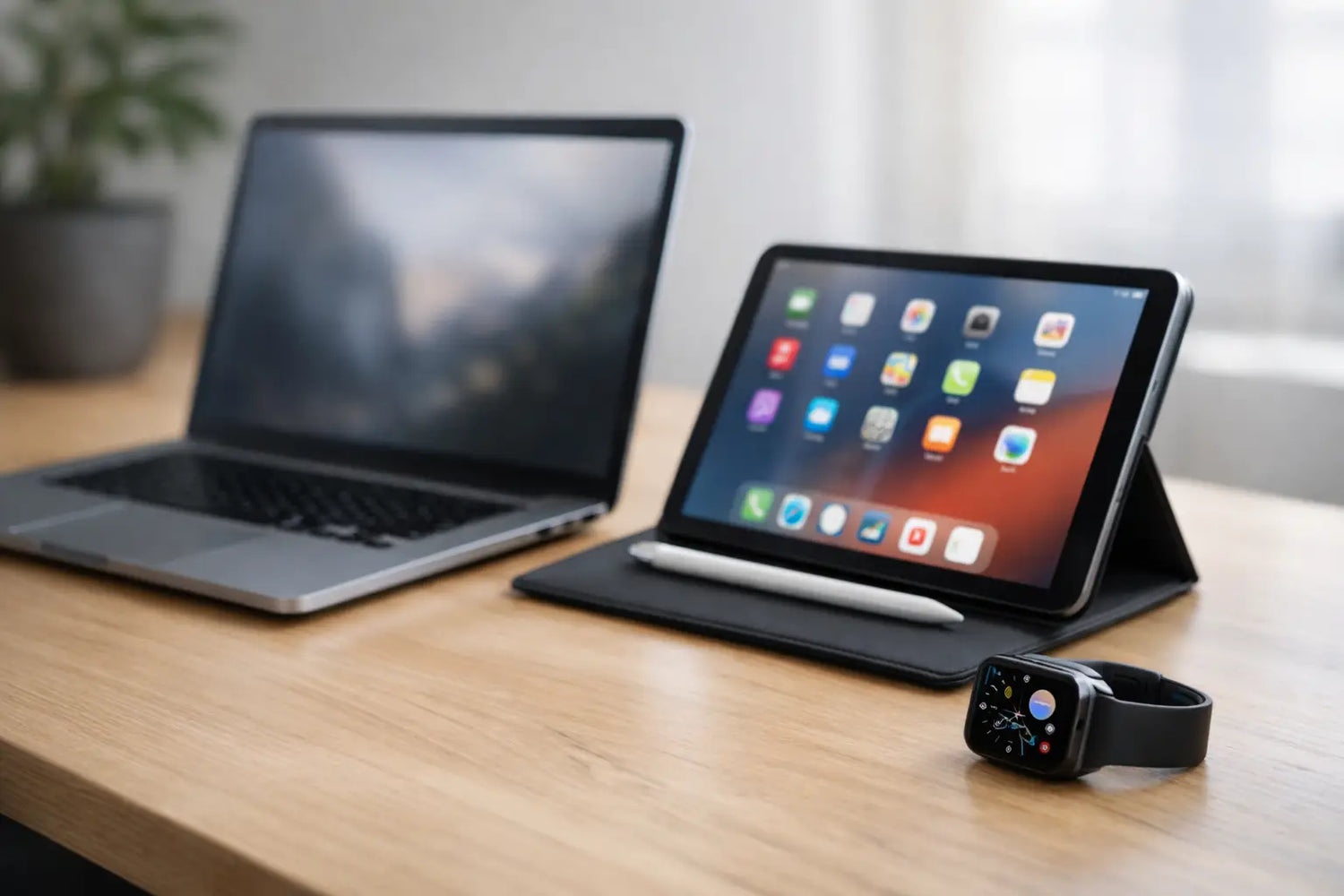
You do not need every shiny screen in your life. That is the short version of laptop vs. tablet vs. smartwatch: which device do you actually need? If your group chat says all three are essential, your wallet would like a quick word.
The better question is not which device is coolest. It is which one actually fits how you work, scroll, travel, relax, and get things done without becoming another expensive gadget you charge for two weeks and then forget in a drawer. Some people need a full-power laptop. Some are happier with a grab-and-go tablet. And some get the most daily value from a smartwatch that quietly keeps life on track.
This is one of those choices where the right answer depends less on specs and more on your habits. If you buy based on lifestyle instead of hype, you are far more likely to end up with a device you use every day.
Laptop vs. tablet vs. smartwatch: what changes from one to the next?
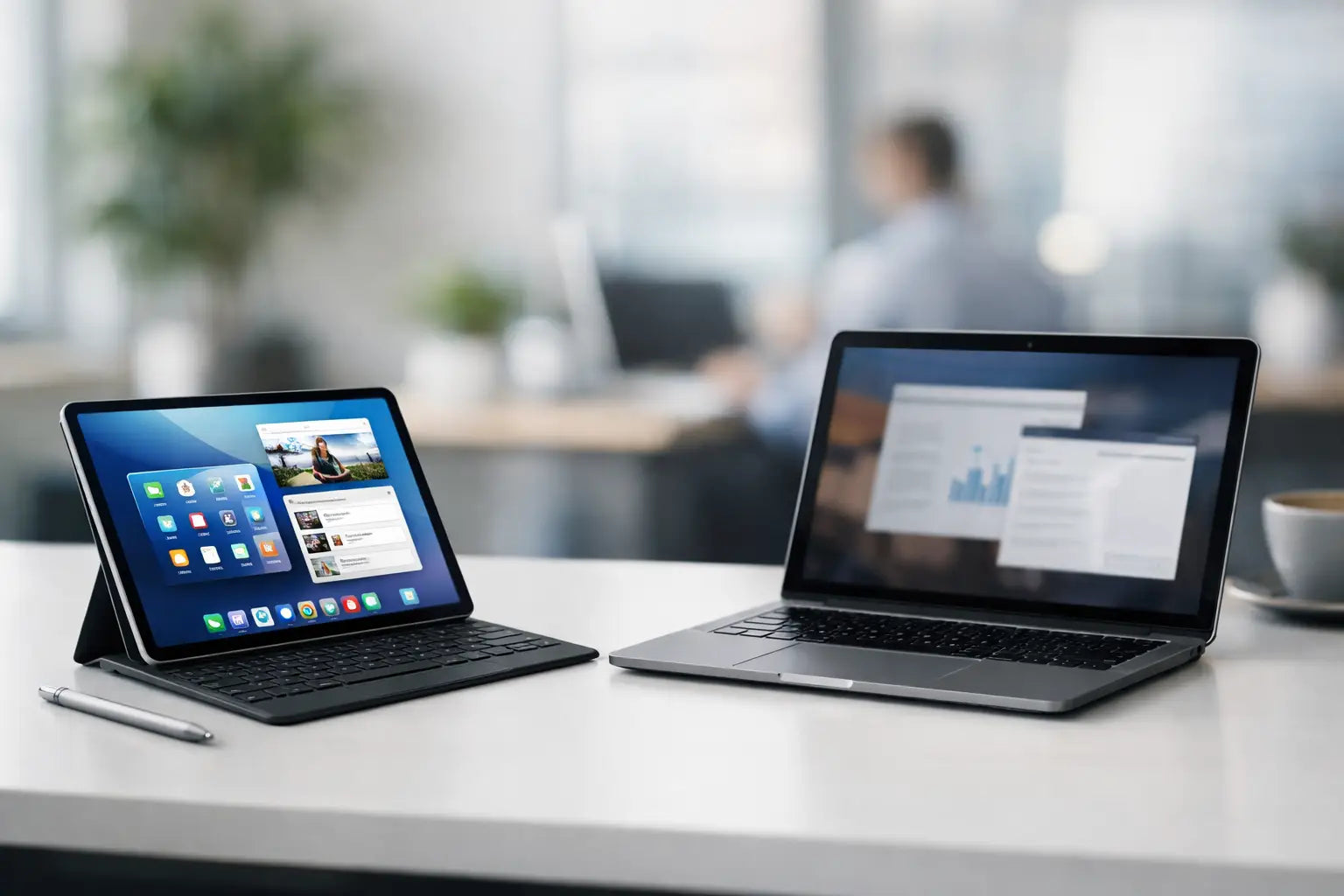
A laptop is still the heavy lifter. It is the best fit for real multitasking, typing for long stretches, school or work projects, editing documents, running multiple apps, and doing anything that feels even slightly like actual productivity. If you need a machine for assignments, spreadsheets, video calls, file storage, or creative work, a laptop usually earns its spot fast.
A tablet sits in the middle. It is lighter, more casual, and better for touch-based use. Tablets are great for streaming, reading, browsing, drawing, casual gaming, recipe-following in the kitchen, and handling lighter work on the move. They feel more fun than a laptop, which matters more than people admit. A device you enjoy picking up often becomes the one you use most.
A smartwatch is the smallest but most personal of the three. It is not designed to replace a laptop or tablet. It exists to reduce friction. You glance at messages, check your heart rate, track workouts, set timers, skip songs, and stay aware without pulling out your phone every five minutes. It is less about deep use and more about constant convenience.
That difference matters. A laptop helps you create. A tablet helps you consume and do light tasks. A smartwatch helps you manage the flow of your day.
If you need to work, study, or create, the laptop usually wins
Let us be honest. If your day includes writing papers, editing resumes, attending virtual meetings, managing files, or bouncing between tabs like your browser is a competitive sport, a laptop is still the smartest pick.
The main reason is comfort over time. Physical keyboards matter. Bigger screens matter. Real operating systems matter. Even if tablets have improved a lot, they still feel like a workaround for heavier tasks unless your needs are pretty basic.
That does not mean every buyer needs a high-end machine. Plenty of people just need something reliable for web use, email, school, shopping, streaming, and office tasks. But if your device needs to support hours of use instead of quick check-ins, a laptop makes daily life easier.
There is a trade-off, though. Laptops are bulkier, less relaxing to use on the couch, and usually less travel-friendly than tablets. If you mostly watch videos, read articles, and browse social media, a laptop can feel like bringing a toolbox to open a snack bag.
If you want portability and entertainment first, the tablet makes a strong case
The tablet is the easy favorite for people who want something flexible, lightweight, and less serious. It is the screen you toss in a bag, carry around the house, or hand to someone during a flight without a whole setup. For entertainment, casual games, reading, and touch-first apps, it often feels better than a laptop.
It can also be enough for light productivity. If your work mostly means email, notes, web apps, documents, video streaming, digital planners, or occasional keyboard use, a tablet might cover more ground than you expect. For students who take notes, travelers who want less bulk, or anyone who wants one device for relaxing and light tasks, it is a strong middle option.
But middle options come with compromises. Tablets are not always ideal for file management, advanced software, or long typing sessions. If you already know you hate typing on touchscreens and do not want to mess with accessories, that is your sign. A tablet is excellent when your needs are simple and mobile, not when your workflow gets complicated.
One more thing in the tablet's favor: it feels approachable. Not every purchase needs to scream peak productivity. Sometimes a device that makes reading, streaming, sketching, and browsing more enjoyable is exactly the right upgrade.
The smartwatch is not a mini phone, and that is why people love it
A lot of buyers get confused here. A smartwatch is not competing directly with a laptop or tablet in terms of power. It wins in a different category entirely.
It is for people who want less interruption. You do not have to dig for your phone to see whether a buzz matters. You can track steps, workouts, sleep, reminders, and notifications from your wrist. If you are trying to stay active, be more organized, or simply spend less time glued to your phone screen, a smartwatch can quietly make your day smoother.
This is where it surprises people. A smartwatch often becomes the device you interact with most often because it is always there. Not for long sessions, but for dozens of tiny moments. Check the weather. Start a workout. Ping your phone. See a message. Set a timer. Control music. It adds up.
Of course, there are limits. If you want a device for watching shows, writing, gaming, or serious app use, this is not it. A smartwatch is a companion device, not a main device for most people. Buying one first only makes sense if your basic computing needs are already covered by your phone or another device.
Laptop vs. tablet vs. smartwatch: which device do you actually need for your lifestyle?
The fastest way to decide is to look at the moments when you feel friction right now.
If you constantly think, I need a proper screen and keyboard for this, you need a laptop. That is especially true for students, remote workers, job seekers, and anyone handling documents or multitasking often.
If you think, I want something lighter and more fun than a laptop, but bigger than my phone, you probably need a tablet. This fits commuters, travelers, streamers, casual gamers, readers, and people who like flexible devices around the house.
If your thought is, I just want to stay connected, track fitness, and stop checking my phone nonstop, the smartwatch makes the most sense. It is a lifestyle upgrade more than a computing upgrade.
There is also the budget reality. If you can buy only one device, a laptop usually gives the widest range of uses. It may not be the most exciting answer, but it is often the most practical. A tablet is a better one-device choice only if your tasks are light and your priorities lean entertainment, portability, or touch use. A smartwatch is rarely the best only device, but it can be the best add-on if convenience and health tracking are what you actually care about.
That is the part people skip. Need and want are not always the same, and sometimes that is okay. If a tablet would get used every day while a laptop would sit closed, the tablet is the smarter buy for you. If a smartwatch would help you move more, miss fewer messages, and stay focused, that value is real too.
When two devices make more sense than one
Sometimes the best answer is not choosing one winner. It is choosing the right pair.
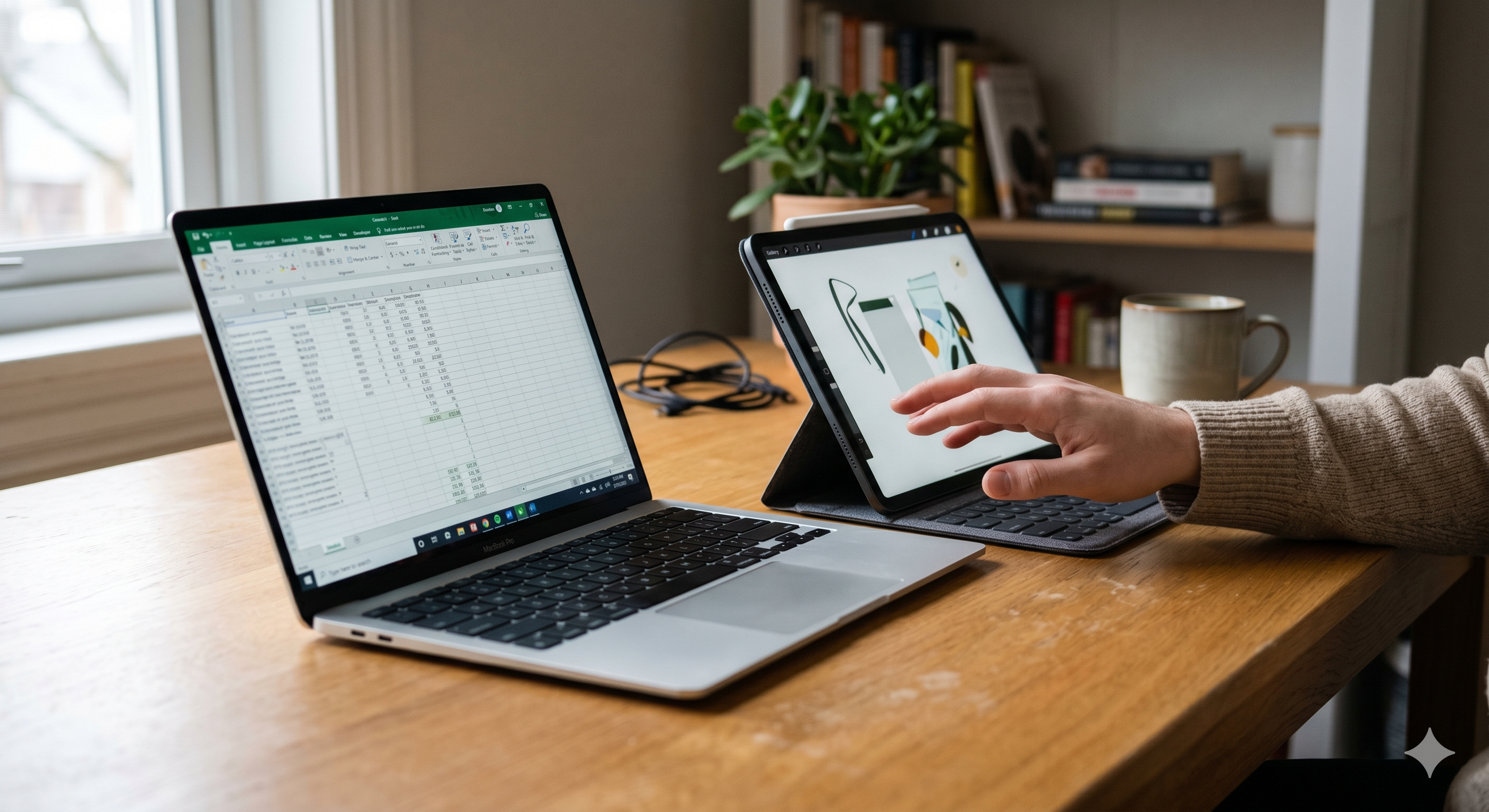
A laptop and smartwatch combo works well if you already use your phone heavily and want productivity plus convenience. A tablet and smartwatch pairing is great for casual users who do not need full computing power but love portability and fitness tracking. A laptop and tablet combination makes sense for people who work hard and want a separate device for reading, travel, or downtime.
The only risky move is buying overlap without a purpose. If two devices do almost the same thing for your lifestyle, one of them usually becomes the expensive backup.
That is why shopping smart matters more than shopping big. Look for the gap in your day. The device that fills that gap is the one worth getting excited about.
A good gadget should not just look trendy on your desk or wrist. It should make daily life easier, more fun, or a little more organized from day one. If you start there, you will spend less, use it more, and feel a lot better when the next shiny thing shows up.

Leave a comment
This site is protected by hCaptcha and the hCaptcha Privacy Policy and Terms of Service apply.