
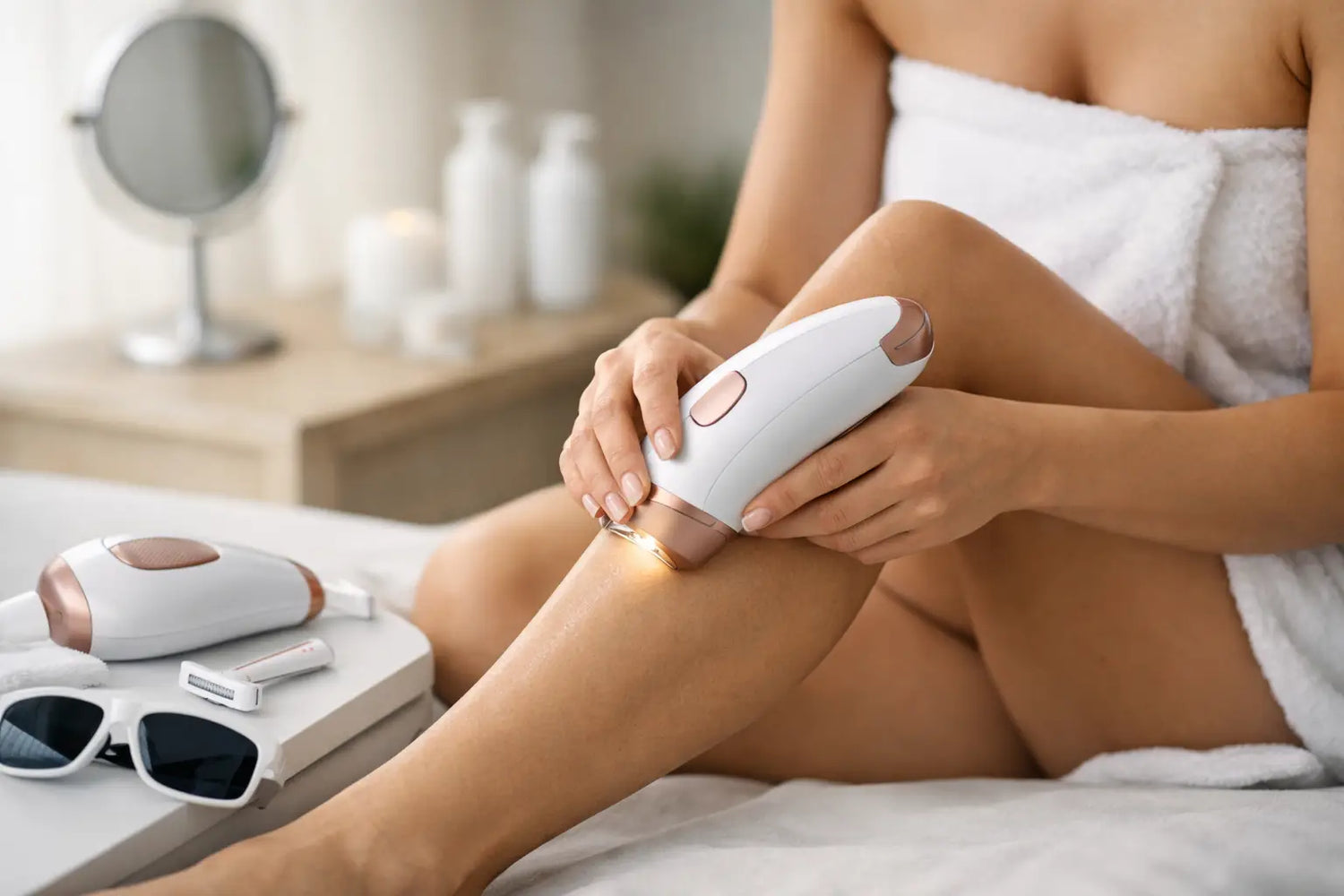
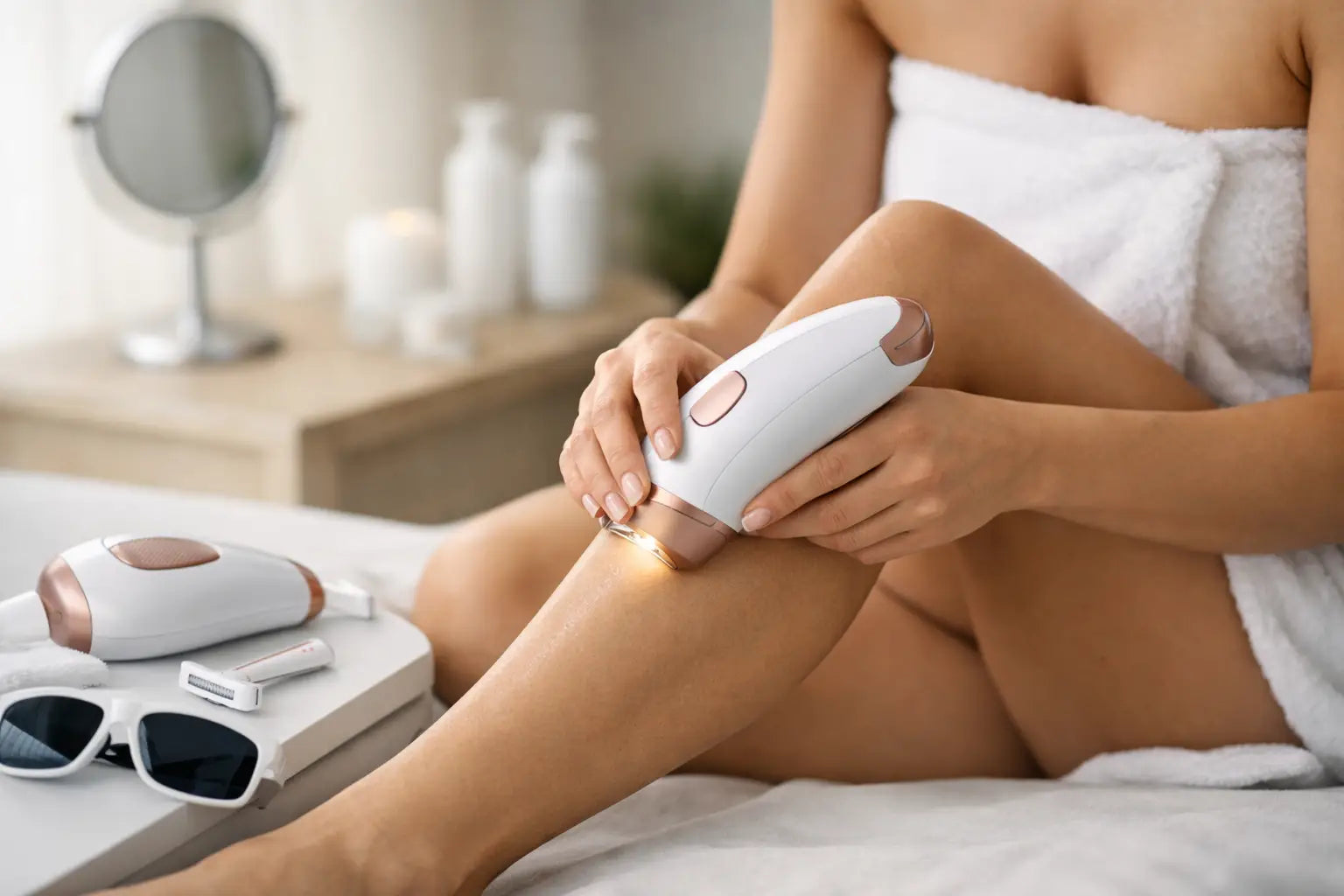
That little patch of hair you shave in the morning only to spot again by dinner? It is exactly why home light-based hair-removal devices have become such a popular bathroom upgrade. A good guide to home laser epilators starts with one reality check: these devices can reduce hair growth over time, but they are not magic wands, and they are not all the same.
The payoff can be real: less shaving, fewer ingrown hairs for some users, and a smoother routine without booking salon appointments. The catch is that success depends on matching the technology to your skin tone, hair color, treatment area, and willingness to stay consistent. Think of it as a long-game self-care gadget, not a one-week transformation.
What Home Laser Epilators Actually Do
Despite the name shoppers often use, most at-home “laser epilators” are actually IPL devices. IPL means intense pulsed light. It uses broad-spectrum light to heat pigment in the hair, helping disrupt the hair-growth cycle over repeated treatments. True at-home diode laser devices also exist, but they are less common and usually cost more.
Neither option generally removes every hair forever. The more accurate promise is long-term hair reduction. After an initial treatment schedule, many people see slower regrowth and finer, less noticeable hair. Maintenance sessions are often part of the deal, especially as hormones, genetics, and life do their thing.
There is also a wording wrinkle worth knowing. Traditional epilation removes hair from the root with a mechanical epilator or wax. IPL and laser devices use light rather than plucking. Stores and shoppers may still call them laser epilators, but understanding the difference makes product descriptions much easier to compare.
IPL vs. Laser: Which One Fits Your Routine?
IPL is usually the more accessible choice for at-home use. Devices tend to be compact, familiar-looking, and designed for large areas such as legs, arms, underarms, and the bikini line. A wider flash window can make full-leg sessions noticeably faster, which matters when your Sunday reset already includes laundry, skin care, and approximately 14 other tasks.
At-home laser devices use a more focused wavelength. Depending on the model and your skin-hair combination, that precision can be appealing for smaller areas or more targeted treatment. The trade-off is often a higher price, a smaller treatment window, or longer sessions.
For most shoppers, the best choice is not automatically the strongest device or the one with the most dramatic before-and-after photo. It is the one rated for your skin tone and hair color, comfortable enough to use regularly, and practical for the areas you want to treat.
The contrast rule matters
Light-based hair removal works by targeting melanin, the pigment in hair. It generally performs best when there is clear contrast between darker hair and lighter skin. Black and dark brown hair typically responds better than blonde, red, gray, or white hair because there is more pigment for the light to target.
Skin tone is equally important. Some devices are designed only for light to medium skin tones, while others offer a broader range of compatibility. Never assume a device is safe for your skin based on a product photo or a friend’s experience. Check the manufacturer’s skin-tone chart, built-in skin sensor details, and instructions before buying or flashing.
If you have very dark skin, very light hair, or a mix of hair colors, professional guidance may be a better first move. A qualified dermatologist or hair-removal professional can help you sort out which options are appropriate without turning your skin-care routine into an expensive guessing game.
How to Choose a Home Laser Epilator
Shopping by price alone is tempting, especially when a sale tag is glowing at you. But this is one category where a few practical specs matter more than flashy claims.
First, look for a clear compatibility chart. A reputable device should plainly state the skin tones and hair colors it can treat. Be cautious with vague language like “works for everyone.” Hair-removal technology has limits, and honest brands explain them.
Next, consider the treatment window. A larger window speeds up legs, arms, and chest treatments. A smaller precision attachment can be useful around the upper lip, underarms, bikini line, or other detail areas. If you only want to treat underarms and lower legs, a huge premium device may not be necessary. If you want full-body sessions, convenience becomes a bigger value factor.
Comfort features can make consistency much easier. Cooling technology, multiple intensity levels, glide mode, and a corded design for uninterrupted power all have their place. Glide mode is useful for larger areas because you can move the device steadily across the skin. Stamp mode, where you place and flash one section at a time, is better for small or curved zones.
Also check whether the device has an automatic skin sensor. This feature can help verify contact with the skin and, on some models, recommend or limit an intensity level. It is a helpful backup, not permission to skip the manual.
Finally, pay attention to the treatment schedule. Some devices call for weekly sessions at first, while others recommend every two weeks. If a product expects 10 to 12 weeks of steady use before maintenance, that is not necessarily a bad sign. It is a realistic sign. Hair grows in cycles, and light treatments are most effective during the active growth phase.
Your Guide to Home Laser Epilators: Safe First Sessions
The best results usually begin with boring prep. That is good news. Boring prep means fewer surprises.
Shave the treatment area before using an IPL or laser device unless your manual says otherwise. Shaving leaves the hair follicle under the skin for the light to target while reducing the chance of singeing hair above the surface. Do not wax, tweeze, or use a mechanical epilator beforehand, since those methods remove the root you want the device to reach.
Start with clean, dry skin. Skip lotions, deodorant, oils, self-tanner, and fragrance on the area. Perform a patch test at the lowest recommended setting, then wait as instructed by the manufacturer before treating a larger area. A little warmth or a quick elastic-band snap sensation can be normal. Strong pain, blistering, swelling, or persistent irritation is a stop sign, not something to power through.
Avoid treating tattoos, dark moles, open wounds, irritated skin, or areas close to the eyes. Do not use a home device on your eyebrows or anywhere the flash could reach the eye area. Recent tanning, sunburn, and self-tanner can increase risk because extra pigment changes how the skin absorbs light.
Medication and medical history matter too. Some acne treatments, antibiotics, photosensitizing medications, and skin conditions can make light treatments unsuitable. Pregnancy guidance varies by device, but many manufacturers advise against use during pregnancy due to limited safety data. When there is any doubt, pause and ask a clinician. Smooth skin is fun. Avoiding a preventable skin reaction is better.
What Results Can You Expect?
Most people do not see a dramatic change after one session. Hair may appear to grow normally for a while, and some treated hairs can shed over the following days or weeks. With consistent treatments, regrowth may become patchier, slower, and finer.
Body areas respond differently. Underarms and lower legs can be straightforward for many users because the hair is often darker and coarser. Facial hair and bikini-line hair may be more influenced by hormones, so they can require more maintenance. Results can also vary from one side of the body to the other. Human bodies love being a little unpredictable.
Take progress photos in the same lighting every few weeks rather than judging every day. It is easier to spot meaningful change over a month than after a single shave. If you have followed the schedule carefully and see no change after the full recommended course, reassess compatibility, technique, and whether professional treatment is a better fit.
Make the Device Easy to Keep Using
A home hair-removal device earns its place when it fits your actual life. Store it somewhere dry and easy to reach, clean the treatment window as instructed, and set a recurring reminder for your sessions. The best device is the one that does not disappear into the back of a drawer next to the unused face masks and mystery charging cables.
Keep sun protection in your routine, especially on treated areas that will be exposed. Between sessions, shave if needed, but avoid pulling hair from the root. Follow the device instructions on when to restart maintenance treatments as growth returns.
Choose with your skin, schedule, and expectations in mind, then give the process time. The goal is not perfection on day one. It is a simpler, smoother routine that feels worth coming back to.

Leave a comment
This site is protected by hCaptcha and the hCaptcha Privacy Policy and Terms of Service apply.