
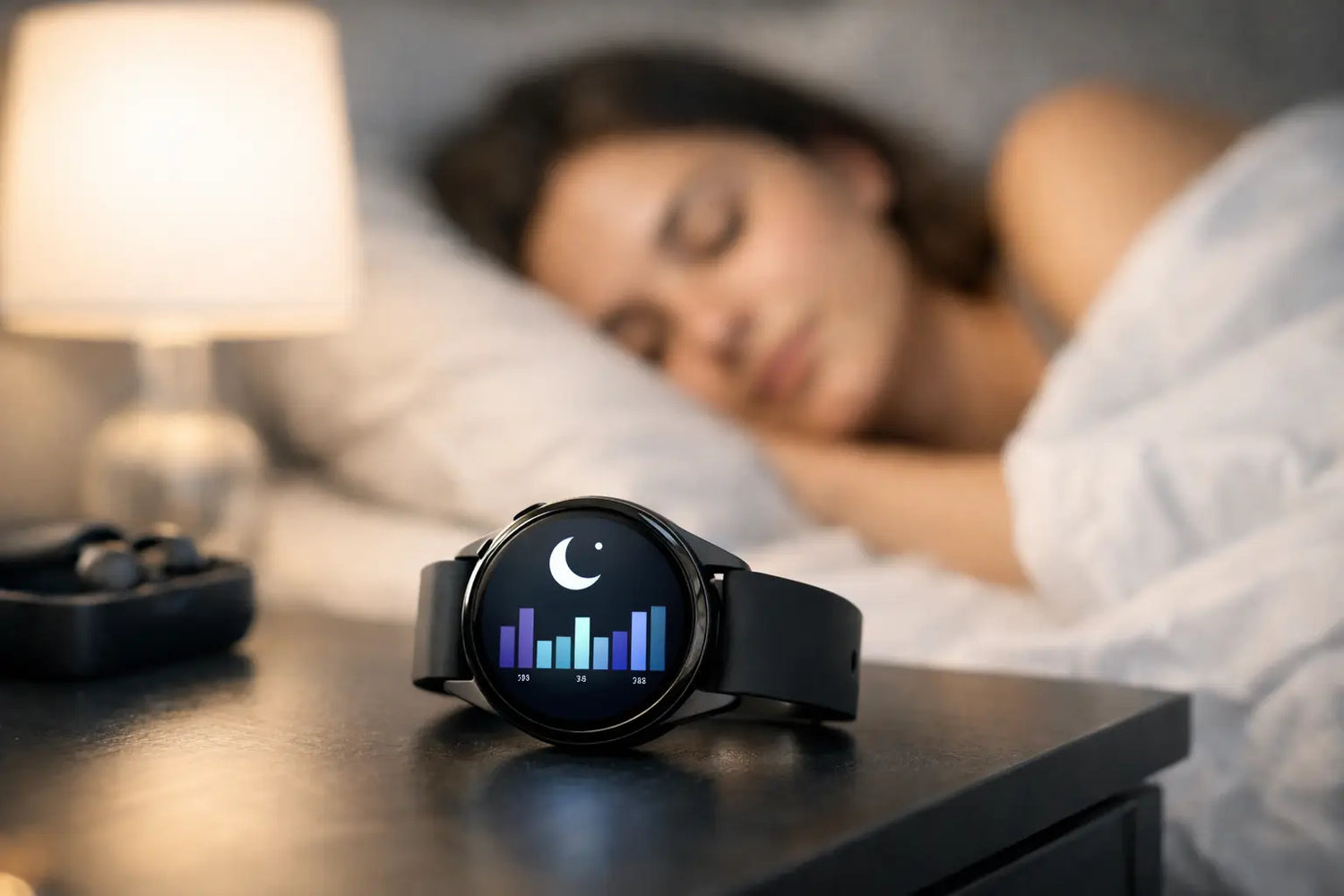
Your watch says you got eight hours. Your brain says it got about four, plus one weird dream about missing a flight. So, which smartwatch tracks sleep accurately enough to trust?
The honest answer: no smartwatch can read your sleep as precisely as a clinical sleep study. But the best ones can do a very useful job of tracking when you fell asleep, how long you slept, when you woke up, and whether your recovery is trending up or down. For most people shopping for a better routine, that is the information that changes habits.
Fitbit is often the strongest all-around pick for sleep-focused shoppers. Apple Watch is excellent if you already live in the iPhone ecosystem, while Garmin shines for athletes who want sleep data connected to training and recovery. Samsung Galaxy Watch is a compelling option for Android and Galaxy users. The right pick depends less on one magic score and more on comfort, battery life, and what you will actually wear every night.
What accurate sleep tracking really means
A smartwatch estimates sleep using movement, heart rate, heart rate variability, breathing patterns, and sometimes skin temperature or blood oxygen measurements. It uses those signals to identify likely periods of sleep, wakefulness, and sleep stages such as deep, light, and REM sleep.
That is not the same as directly measuring brain activity. Clinical sleep labs use electrodes and other sensors to monitor the body in far more detail. A watch is making a smart estimate from your wrist, which is impressive but not psychic. If it claims you had 52 minutes of deep sleep, treat that as a trend marker, not a court-certified fact.
The most dependable smartwatch metrics are usually total sleep time, bedtime and wake time, and broader changes over several nights. Sleep-stage breakdowns can still be interesting, especially when they change alongside stress, workouts, alcohol, illness, or travel. Just do not panic because one night produced an oddly colorful chart.
Which smartwatch tracks sleep accurately for most people?
Fitbit is the sleep-first favorite
Fitbit has built a strong reputation around sleep tracking, and it remains a great choice when better rest is the main goal. Its sleep reports are easy to understand, with a nightly Sleep Score, estimated sleep stages, sleeping heart rate, restlessness, and longer-term trends. The app is friendly for people who want practical signals instead of a spreadsheet that feels like homework.
Fitbit devices are also generally light and comfortable for overnight wear. That matters more than shoppers expect. A watch can have brilliant sensors, but if it feels bulky, catches on your blanket, or needs charging every evening, it will spend more time on your nightstand than on your wrist.
The trade-off is that some advanced analysis and wellness insights may require a premium membership, depending on the device and feature. If you want a simple, sleep-centered experience and plan to wear your tracker consistently, Fitbit is one of the safest bets.
Apple Watch is best for iPhone users who want a complete smartwatch
Apple Watch offers reliable sleep duration and schedule tracking, plus useful health data such as overnight heart rate and wrist temperature trends on compatible models. Its sleep stage estimates are presented clearly in the Health app, and its Smart Stack, notifications, workouts, payments, and safety features make it far more than a bedtime gadget.
For someone with an iPhone who wants one watch for daily life, fitness, and sleep, Apple Watch is a smart choice. Its biggest sleep-tracking limitation is battery life. Many models need frequent charging, so building a charging routine is essential. Charge while showering, getting ready, or working at your desk, and you are much less likely to miss a night.
Apple Watch is especially useful for spotting patterns. Maybe your sleep duration drops every time you take a late meeting, crush a spicy dinner at 10 p.m., or turn one episode into five. The data makes those habits harder to ignore.
Garmin is the recovery powerhouse for active people
Garmin watches are made for people who take their training seriously, whether that means marathon prep, cycling miles, strength sessions, or simply trying to beat last month’s step count. Their sleep tracking is valuable because it connects sleep with training readiness, stress, Body Battery energy estimates, and recovery.
Battery life is a major advantage. Many Garmin models can go several days or much longer between charges, which makes consistent overnight tracking easier. The brand’s sleep reports can be detailed, including sleep scores, sleep stages, naps on supported models, and overnight health signals.
The trade-off is presentation. Garmin can feel more data-heavy than Fitbit or Apple. That is exciting for a numbers person and slightly intimidating for someone who just wants to know whether they should go to bed earlier. If you exercise often and want sleep information to guide tomorrow’s workout, Garmin is one of the best options available.
Samsung Galaxy Watch is a strong Android choice
For Galaxy phone owners, Samsung Galaxy Watch offers a convenient, integrated sleep-tracking setup. It can estimate sleep stages, detect snoring when paired with a compatible phone setup, monitor blood oxygen during sleep on supported models, and provide coaching aimed at building better habits.
Samsung’s sleep features are approachable and visually engaging, which helps turn data into action. Its ecosystem integration is the bigger draw, especially if you already use Samsung Health and want your workouts, activity, and sleep in one place.
Battery life varies by model and settings, so check whether your preferred watch can comfortably make it through both a full day and a full night. Like Apple Watch, it can be very accurate for sleep timing when worn consistently, but frequent charging is the practical hurdle.
The feature that matters most is the one you will use
Before comparing every sensor on the product page, consider your actual routine. A lightweight tracker with a multi-day battery may give you better sleep insights than a feature-packed smartwatch that you remove at midnight. Consistency creates useful trends.
Fit matters, too. Wear the watch snugly enough that the sensors stay in contact with your skin, but not so tight that it leaves deep marks or feels uncomfortable. A loose band can create gaps in heart-rate readings and lead to less reliable sleep estimates. If you have a larger, heavier watch for daytime, consider a softer band for bed.
Also look at how the app explains your results. The best sleep tracker for a beginner is not necessarily the model with the most measurements. It is the one that makes you say, “Okay, I can actually do something with this.” A clear reminder to keep a consistent sleep schedule may be more useful than an impressive-looking graph you never open again.
How to get more accurate results from any smartwatch
A watch cannot fix a chaotic bedtime, but you can help it produce better data. Wear it for at least two weeks before deciding what is normal for you. One late-night gaming session, red-eye flight, or sick day can skew a single report. Patterns are where the good stuff lives.
Keep the device charged before bed and make sure its sleep tracking settings are enabled. Update the watch and companion app, since brands regularly improve their algorithms. Set your sleep schedule if the app offers one, but do not force the data to fit the schedule. If you stayed up late, the goal is an honest record, not a gold star.
Use your sleep data alongside real-life context. A poor score after intense training may be expected. A steady drop in sleep quality, frequent waking, loud snoring, gasping, or serious daytime sleepiness deserves a conversation with a healthcare professional. A smartwatch can flag a pattern, but it cannot diagnose sleep apnea, insomnia, or other medical conditions on its own.
Pick based on your phone and your goal
If sleep is your top priority, Fitbit is the easiest recommendation. If you use an iPhone and want premium smartwatch features with solid sleep data, choose Apple Watch. If your workouts, recovery, and long battery life matter most, Garmin earns its spot. If you are deep in the Samsung ecosystem, Galaxy Watch keeps everything convenient and connected.
There is no need to chase a perfect nightly score. Think of your smartwatch as a small coach on your wrist: it notices the habits you might miss, celebrates the better nights, and quietly calls out the 1 a.m. scrolling. Choose a watch that feels good enough to wear, charge it before bed, and let the trends help you build a routine worth waking up for.


Leave a comment
This site is protected by hCaptcha and the hCaptcha Privacy Policy and Terms of Service apply.