
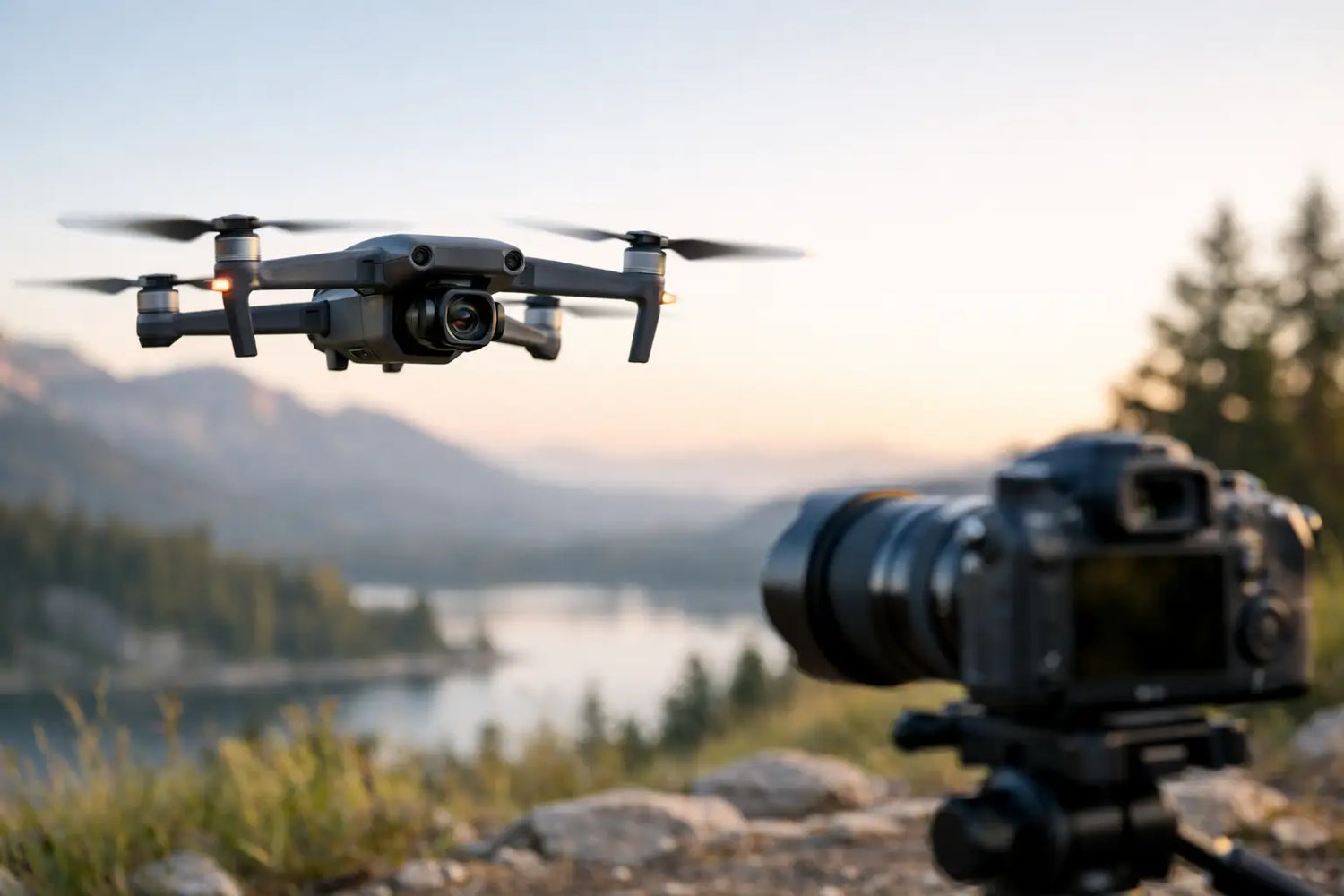
You notice it fast the first time you try to shoot a big outdoor scene from the ground. The mountain looks smaller, the beach feels flatter, and that golden-hour trail somehow loses half its magic. A quadcopter for outdoor photography changes that instantly. It gives you height, movement, and angles your phone or handheld camera simply cannot fake.
That is why drones keep showing up on wish lists, travel packing lists, and content creator setups. They are fun, yes, but they are also one of the quickest ways to level up your shots without hauling around a giant camera rig. If you want outdoor photos that feel bigger, cleaner, and more cinematic, choosing the right quadcopter matters more than most people think.
What makes a quadcopter for outdoor photography worth buying?
Not every drone that flies well takes great outdoor photos. Some are built more for casual flying in a backyard, while others are designed to stay steady in wind, capture sharp details, and make aerial shooting feel easy even if you are still learning.
The first thing to look at is camera quality, but not in the lazy megapixel-only way. Outdoor photography is full of contrast. Bright sky, dark trees, reflective water, and shadowy trails all show up in the same frame. A better camera sensor handles those lighting changes more gracefully, so your photos keep detail in both the highlights and darker areas. That means less blown-out sky and fewer muddy-looking landscapes.
Stability is just as important. If your drone struggles in light wind, your photos will show it. A strong quadcopter for outdoor photography should hover with confidence and keep footage and stills looking controlled, not shaky and stressed. Gimbal stabilization helps a lot here, especially if you want cleaner framing when the drone is moving.
Battery life also matters more outdoors than it does in a living room demo video. You are usually walking to a location, waiting for the right light, and trying multiple angles. Short flight time gets annoying fast. A longer-lasting drone gives you room to experiment instead of rushing every shot like your battery is on a countdown from the moment you take off.
The outdoor features that actually make a difference
A lot of drone listings throw around flashy specs, but a few real-world features do the heavy lifting outdoors.
Wind resistance and flight control
Outdoor flying is rarely perfectly calm. Even a nice day can have stronger gusts once you get above tree level or near open water. Good wind resistance helps your quadcopter hold position and return safely without fighting every second in the air. If you plan to shoot beaches, cliffs, overlooks, or wide fields, this matters a lot.
Beginner-friendly flight controls help too. GPS hold, automatic return-to-home, altitude stabilization, and intelligent flight assistance can make a huge difference when you are trying to frame a shot instead of panic-flying. These features do not replace good habits, but they reduce stress and let you focus on the photo.
Camera angle control and gimbal performance
A drone can have a decent camera and still feel frustrating if the angle control is clunky. Smooth tilt adjustments help you compose scenes better, especially when you are revealing a landscape or trying to keep a subject framed while moving. A 3-axis gimbal usually delivers the cleanest results for outdoor content because it corrects motion more effectively than basic electronic stabilization alone.
Range and signal reliability
You do not always need extreme range, but reliable connection matters. Outdoor photography often means more open space, and that can tempt people to push farther than they should. A strong signal gives you cleaner live view, better control confidence, and fewer ugly surprises. More range is nice, but stable range is the real win.
How to choose the right quadcopter for outdoor photography
The best pick depends on how you actually plan to use it. This is where people overspend or buy too small.
If you want vacation shots, road trip content, and casual landscape photos, a compact foldable drone is often the sweet spot. It is easier to pack, faster to launch, and much more likely to come with you instead of staying at home in a closet. The best camera in the world does nothing if the drone is too bulky to bring.
If your goal is sharper commercial-looking photos, smoother video clips, or content creation for social platforms, then step up to a model with a stronger camera system and better gimbal performance. That usually means a slightly higher price, but you get more usable results in challenging light and wind.
If you are totally new, do not ignore the learning curve. A high-spec drone sounds exciting until you realize you are nervous every time it leaves the ground. A beginner-friendly quadcopter for outdoor photography should have simple controls, assisted flight modes, and enough safety features to help you learn without feeling like one wrong move will end the whole hobby.
Don’t get distracted by specs that sound cool
Some features sound impressive on paper but do not always improve your outdoor photos. Extra speed, for example, is fun, but it is not the main thing that makes your images better. For photography, controlled motion usually beats aggressive flying.
Huge claims about resolution can be misleading too. A camera can shoot high-resolution files and still struggle with color, dynamic range, or low-light detail. Outdoor photographers should care more about consistent image quality than giant marketing numbers.
Obstacle avoidance is useful, but it is not magic. It can help prevent mistakes around trees or uneven terrain, especially for newer users, but it does not make a drone crash-proof. Branches, wires, and changing light can still create problems. Think of safety tech as backup, not permission to fly carelessly.
When a cheaper drone is enough - and when it isn’t
This is where the trade-off gets real. Budget-friendly drones can be great for learning, casual travel shots, and fun weekend use. If you mainly want a better view of campgrounds, parks, beaches, or family outings, you may not need a premium setup right away.
But if you care about image sharpness, strong performance in wind, cleaner low-light results, and more confidence during outdoor flights, spending more usually gets you noticeable improvements. Better sensors, better motors, better stabilization, and better battery performance all start stacking up.
That does not mean you should always buy the most expensive option. It means you should be honest about your expectations. If you want social-media-friendly photos and occasional scenic shots, a mid-range model may be perfect. If you want polished aerial content that looks like a real upgrade, going too cheap can lead to disappointment fast.
Best use cases for a quadcopter for outdoor photography
Outdoor drones shine when the location has shape, scale, or movement. Coastal views, forest roads, mountain overlooks, desert trails, lakes, and city skylines all benefit from aerial perspective. A top-down shot can make a basic location look graphic and striking, while a slow pullback can reveal size in a way ground photography often cannot.
They are also great for events and personal memories. Road trips, hiking weekends, beach days, and cabin getaways feel bigger and more cinematic from the air. If you enjoy travel content or just want your photo library to stop looking like the same five phone angles, a drone is a seriously fun upgrade.
Real estate, outdoor sports, and automotive content are other strong matches, but these uses require extra care. Local rules, privacy concerns, and flight restrictions can change what is realistic. The shot may look amazing, but it still has to be legal and safe.
A few smart habits before you fly
Even the best drone cannot fix bad planning. Check weather before heading out, especially wind speed. Open areas can get gusty quickly, and conditions on the ground do not always match what is happening higher up.
Arrive with a full battery, enough storage, and a clear idea of the shots you want. It sounds basic, but a little planning saves a lot of hovering around while your battery drains. Morning and late afternoon usually give you the nicest outdoor light, which makes almost any drone camera look better.
And yes, know the local rules. That part is less exciting than new gear, but far more useful than getting forced to land five minutes into a perfect sunset session.
Is a quadcopter for outdoor photography worth it?
If you love scenery, travel, or making your everyday adventures look more alive, absolutely. A good quadcopter adds a perspective that still feels fresh every time you use it. The right one does not just fly - it helps you capture places the way they actually felt when you were there.
For most shoppers, the sweet spot is a drone that balances image quality, stabilization, flight time, and easy controls without getting absurdly expensive. That is the kind of upgrade that feels fun on day one and still feels smart months later. If you are browsing for something exciting, useful, and gift-worthy, this is one of those gadgets that can genuinely change how you shoot outdoors.
Pick the drone that matches your real habits, not just the flashiest spec sheet, and your next favorite photo might be waiting a few hundred feet up.

Commenta
Questo sito è protetto da hCaptcha e applica le Norme sulla privacy e i Termini di servizio di hCaptcha.