
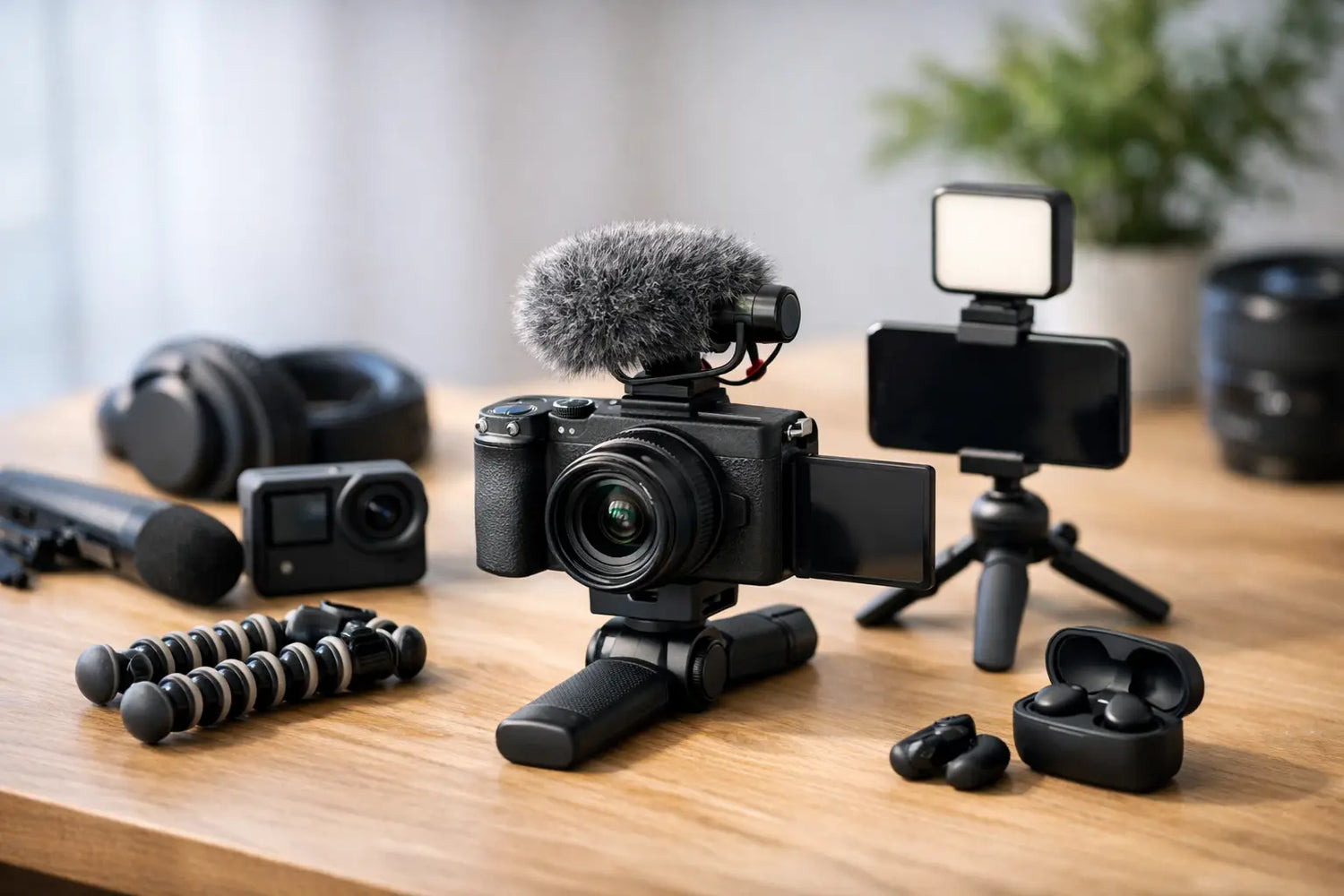
Your first vlog does not need a cinema camera, a suitcase full of lenses, or a setup that costs more than your rent. If you’re shopping for budget-friendly vlogging gear: cameras for beginners, the real goal is simple - get a camera that makes filming easy enough that you’ll actually keep posting.
That matters more than spec-sheet flexing. A beginner-friendly camera should help you hit record fast, keep you in focus, give you decent audio options, and survive being tossed into a backpack for coffee runs, travel days, gym check-ins, or late-night room makeover updates. Fancy features are fun. Usable features are what keep a channel alive.
What beginners actually need from a vlogging camera
A lot of first-time creators buy too much camera and not enough practicality. If you’re filming yourself talking, walking, unboxing, reviewing products, or posting lifestyle clips, the best camera is usually the one that removes friction.
Start with autofocus. If the camera hunts for focus every time you move your hand in front of the lens, your videos will look messy fast. Face and eye tracking can make a cheap setup feel much more expensive because it keeps your shot clean without constant retakes.
Flip screens matter too. A camera can have great image quality, but if you can’t see yourself while filming, framing becomes guesswork. For solo creators, that gets old in about ten minutes.
Then there’s stabilization. If you mostly record at a desk, this matters less. If your content involves walking through a city, filming travel clips, or carrying the camera around your room while showing off a setup, stabilization saves your footage from looking shaky and hard to watch.
Microphone input is another big one. People will forgive video that looks slightly less sharp. They will not stick around for bad audio. Not every beginner needs an external mic on day one, but having the option gives your setup room to grow.
Budget-friendly vlogging gear: cameras for beginners that make sense
The sweet spot for beginner vlogging cameras usually lives in the compact camera and entry-level mirrorless range. Smartphones are still a real option, especially newer models, but if you want a dedicated camera, there are a few types worth understanding before you buy.
Compact cameras are the easiest starting point
Compact vlogging cameras are popular for a reason. They’re lightweight, simple to carry, and usually designed around solo creators. You’ll often get a flip screen, decent autofocus, and solid video quality without needing extra lenses.
This is the best pick for beginners who want convenience over customization. If your main priority is grabbing a camera, pressing record, and uploading content the same day, compact models are hard to beat. The trade-off is less flexibility later. You won’t get the same lens options or long-term upgrade path as a mirrorless system.
Still, for everyday lifestyle content, product reviews, travel clips, and casual talking-head videos, compact cameras can be the smartest money move.
Entry-level mirrorless cameras give you more room to grow
If you think vlogging might turn into a serious hobby or side hustle, an entry-level mirrorless camera is worth a look. These cameras usually offer better image quality, better low-light performance, and interchangeable lenses.
That extra flexibility is great, but it comes with a catch - mirrorless cameras can get expensive fast once you add lenses, extra batteries, memory cards, and accessories. Beginners sometimes buy the body and forget the full setup cost. Suddenly your “budget” plan is gone.
If you go this route, keep it simple. A basic kit lens is enough to start. You do not need three lenses and a creator identity crisis before your second upload.
Action cameras work best for movement-heavy content
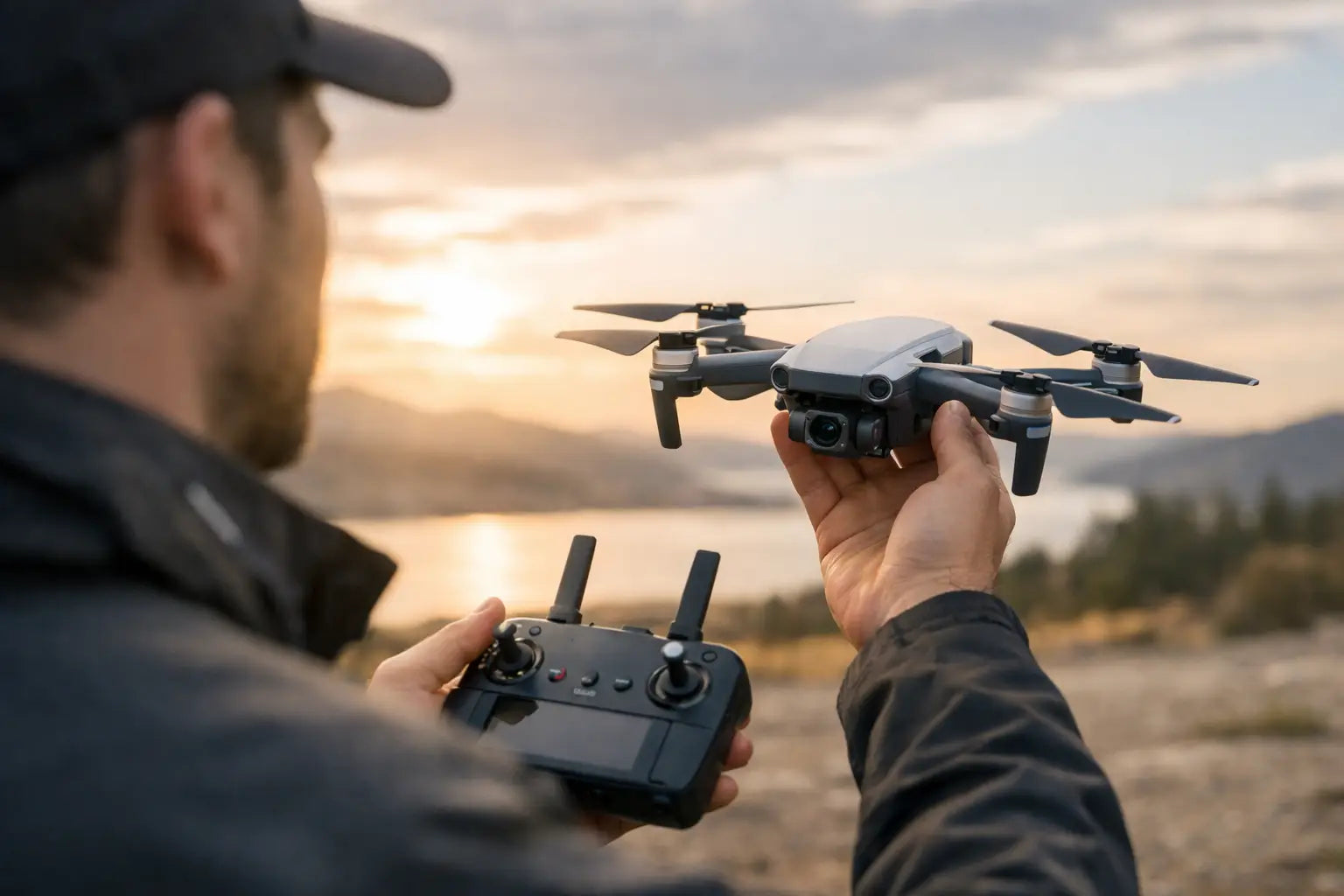
Action cameras are not the best fit for every beginner, but they’re excellent for specific styles. If your content includes biking, hiking, workouts, skating, travel, driving footage, or anything fast-moving, they make a lot of sense.
They’re durable, tiny, and usually have strong stabilization. The downside is that they can look less flattering for close-up talking clips, especially indoors or in lower light. For creators who mostly film sit-down videos, they’re better as a second camera than a main one.
Features worth paying for and features you can ignore
This is where a lot of budgets get wrecked.
4K video sounds like a must-have, and sometimes it is. But for many beginners, good 1080p footage with reliable autofocus is better than messy 4K footage with dropped focus and huge file sizes. If your editing setup is basic and your audience mostly watches on phones, don’t let resolution hype make the decision for you.
Low-light performance is worth caring about if you film indoors a lot, especially in bedrooms, apartments, or cozy room setups with lamps and LED lights. A camera that gets noisy the second the sun goes down will be frustrating. If most of your filming happens in daylight, it matters less.
Battery life also deserves attention. Some beginner cameras are great until they die halfway through a shoot. If you love long takes, event coverage, or travel days, check real-world battery performance, not just the brand’s marketing numbers.
Touchscreen controls can be more useful than beginners expect. Fast focus changes, menu navigation, and quick setting adjustments make filming less annoying. That might sound small, but easy gear gets used more often.
What can you ignore at first? Extreme frame rates, advanced color profiles, and deep pro-level video settings. Those features are cool, but they do not matter nearly as much as clear video, clear audio, and a setup you enjoy using.
Don’t spend your whole budget on the camera body
A beginner vlogging setup works best when the money is balanced. Buying the camera is only part of the story.
Audio should be the first add-on you think about. Even a budget external mic can make your videos feel way more polished. If your viewers can hear you clearly in a noisy room, on a sidewalk, or during a product demo, your content instantly feels more credible.
Lighting is the next upgrade that punches above its price. A cheap ring light or small LED panel can improve your video more than jumping to a pricier camera. Good light makes budget gear look better. Bad light makes expensive gear look weird and flat.
A small tripod or grip is also worth it, especially for handheld filming. It helps with framing, reduces shake, and makes your setup feel more controlled. You don’t need a giant production rig. You need something stable enough that your audience isn’t getting motion sickness.
Memory cards and spare batteries are the boring purchases people forget. They are not exciting. They are absolutely necessary. Running out of storage or power during a shoot is the kind of problem that makes creators quit for the day.
How to choose the right beginner camera for your content style
The best camera depends on what you actually plan to film, not what looks coolest in a haul video.
If you’re making beauty content, desk reviews, tutorials, or talking videos, a compact camera or entry-level mirrorless setup is usually your best bet. You’ll want a flattering field of view, good autofocus, and easy framing.
If your content is more travel-heavy or daily-life focused, portability becomes a bigger deal. A camera that’s small enough to bring everywhere will usually beat a technically better one that stays at home.
If you’re filming fitness sessions, bike rides, hiking clips, or active lifestyle content, action cameras start looking much more attractive. They’re built for movement and don’t demand delicate handling.
And if your budget is very tight, start with your smartphone and improve the accessories around it. That is still a smart creator move. A phone with a simple mic, better lighting, and a tripod can outperform a cheap dedicated camera used badly.
The smartest beginner setup is the one you’ll keep using
There’s a weird pressure online to buy gear like you already have a million subscribers. You don’t. Not yet, anyway. What you need now is momentum.
A solid beginner camera should make content creation feel fun, not expensive and intimidating. It should fit your routine, your budget, and your actual content plans. Some creators need flexibility and room to grow. Others just need something compact, reliable, and ready to film right out of the box.
That’s why budget-friendly doesn’t mean settling. It means buying with intention. It means skipping the flashy extras you won’t use and putting your money into the features that actually show up on screen. If you shop that way, even affordable gear can feel like a serious upgrade.
At Timo Market, that same idea shows up across every category - useful tech, fun finds, and upgrades that make everyday life a little better without draining your wallet. Your first vlogging setup should do exactly that.
Pick the camera that makes you want to hit record tomorrow, not the one that sounds impressive in a comment section. The best gear for beginners is the gear that gets your next video posted.

Leave a comment
This site is protected by hCaptcha and the hCaptcha Privacy Policy and Terms of Service apply.