
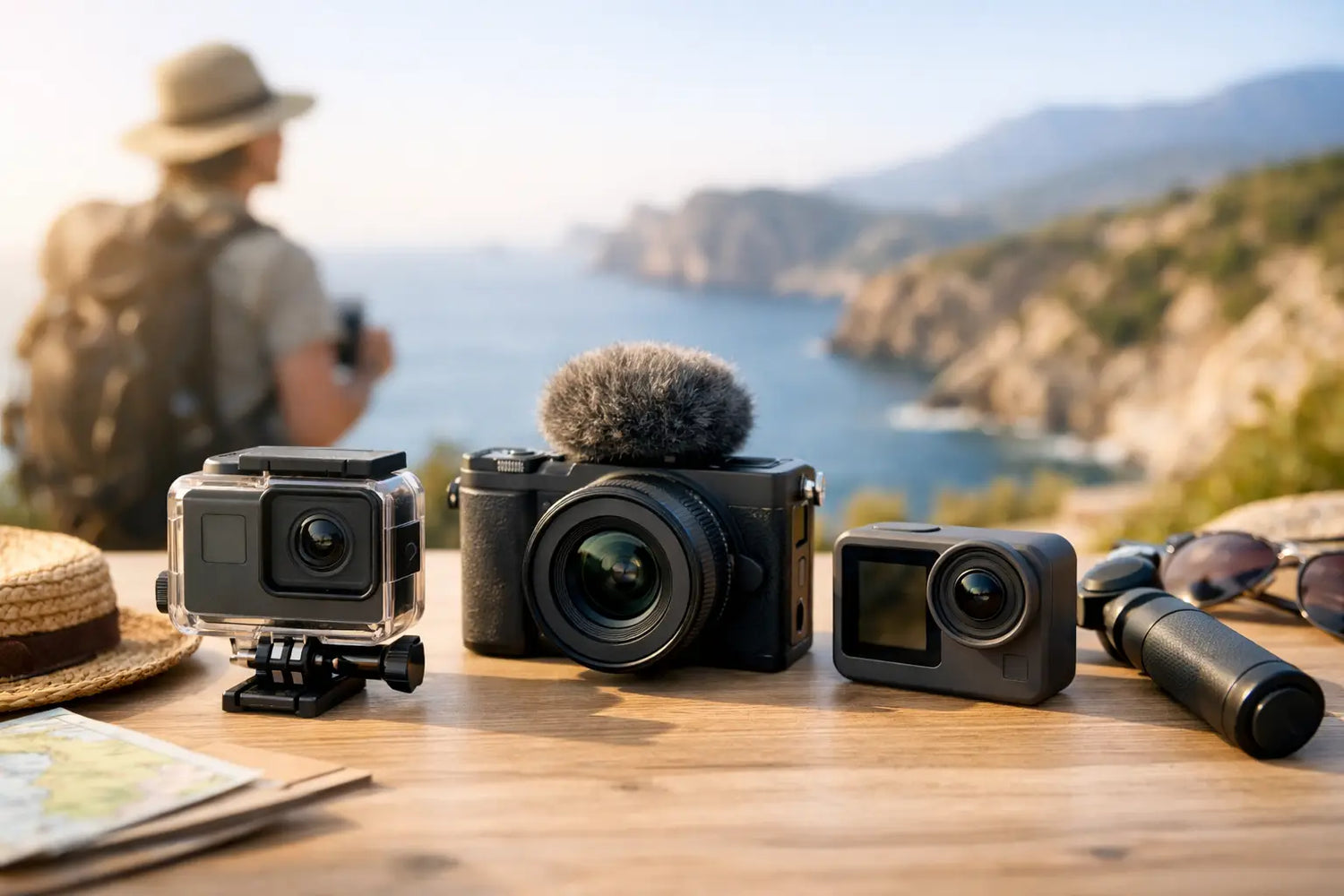
That sunrise scooter ride through Lisbon looks amazing in your head. Then you watch the footage later and it somehow looks like it was filmed during a minor earthquake. That is exactly why picking the best action & vlog cameras for travel: capture every adventure is less about megapixels and more about choosing the right tool for the way you actually move.
Travel camera shopping gets messy fast because there is no single "best" option for everyone. Some people want tiny, waterproof, toss-it-in-a-daypack simplicity. Others want crisp talking-head clips, better low light, and audio that does not sound like it was recorded inside a snack bag. The smart move is matching the camera to your trips, your content style, and your patience level.
How to choose the best action & vlog cameras for travel
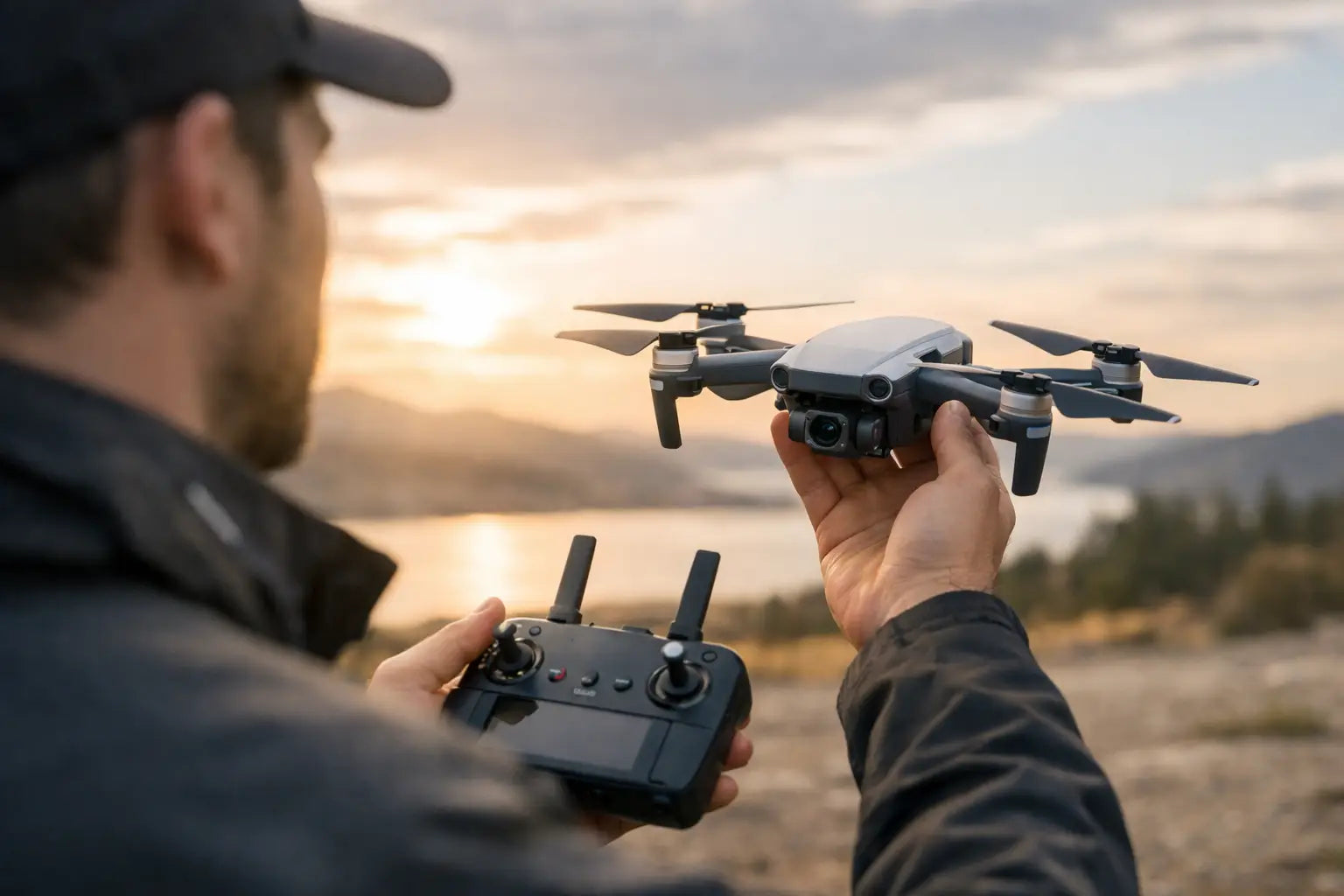
If your travel days involve beaches, hikes, scooters, snorkeling, zip lines, or anything with a high chance of dust, rain, or accidental drops, an action camera usually makes more sense. They are built for chaos. They are compact, rugged, and typically offer stabilization that can make handheld footage look far more polished than it has any right to.
If your travel content is more about walking tours, food stops, hotel reviews, city guides, or face-to-camera storytelling, a vlog camera often gives you better image quality, stronger autofocus, and more natural background blur. It also tends to handle skin tones and low-light restaurant scenes better. The trade-off is durability. A compact vlog camera is usually not thrilled about sand, sudden storms, or being tossed into an overstuffed carry-on.
The features that matter most are usually the least flashy. Stabilization is huge because travel rarely happens on a tripod. Battery life matters because outlets are not always nearby when you need them. Audio matters if you talk on camera, and poor built-in audio is one of the fastest ways to make good footage feel cheap. Weight matters too. The best camera on paper loses points fast if you leave it in the hotel because it is annoying to carry.
Best action & vlog cameras for travel by traveler type
For adventure-first travelers
An action camera is the easy winner if your trips are built around movement. Think mountain biking, kayaking, skiing, or quick weekend escapes where you want to film first and think later. Models in this category usually offer excellent image stabilization, waterproofing, and wide-angle views that make landscapes and motion feel bigger.
What you give up is versatility. Action cameras can struggle in low light, and that ultra-wide look is not always flattering for close-up vlog shots. If you mostly shoot outdoors in daylight, that trade-off is worth it. If your trip includes lots of night markets, bars, museums, or indoor scenes, it gets less ideal.
The sweet spot here is a modern action camera with strong stabilization, decent battery performance, and simple mounting options. Front screens are helpful if you want to frame yourself, but not essential if your content leans cinematic over chatty.
For travel vloggers who talk to camera
If your travel style involves narrating your day, reviewing spots, or filming yourself while walking through a city, a dedicated vlog camera is usually the better buy. You get more flattering framing, better autofocus on faces, and stronger performance when the light drops. Flip screens make a big difference too. You can actually see whether your head is in frame instead of guessing and hoping for the best.
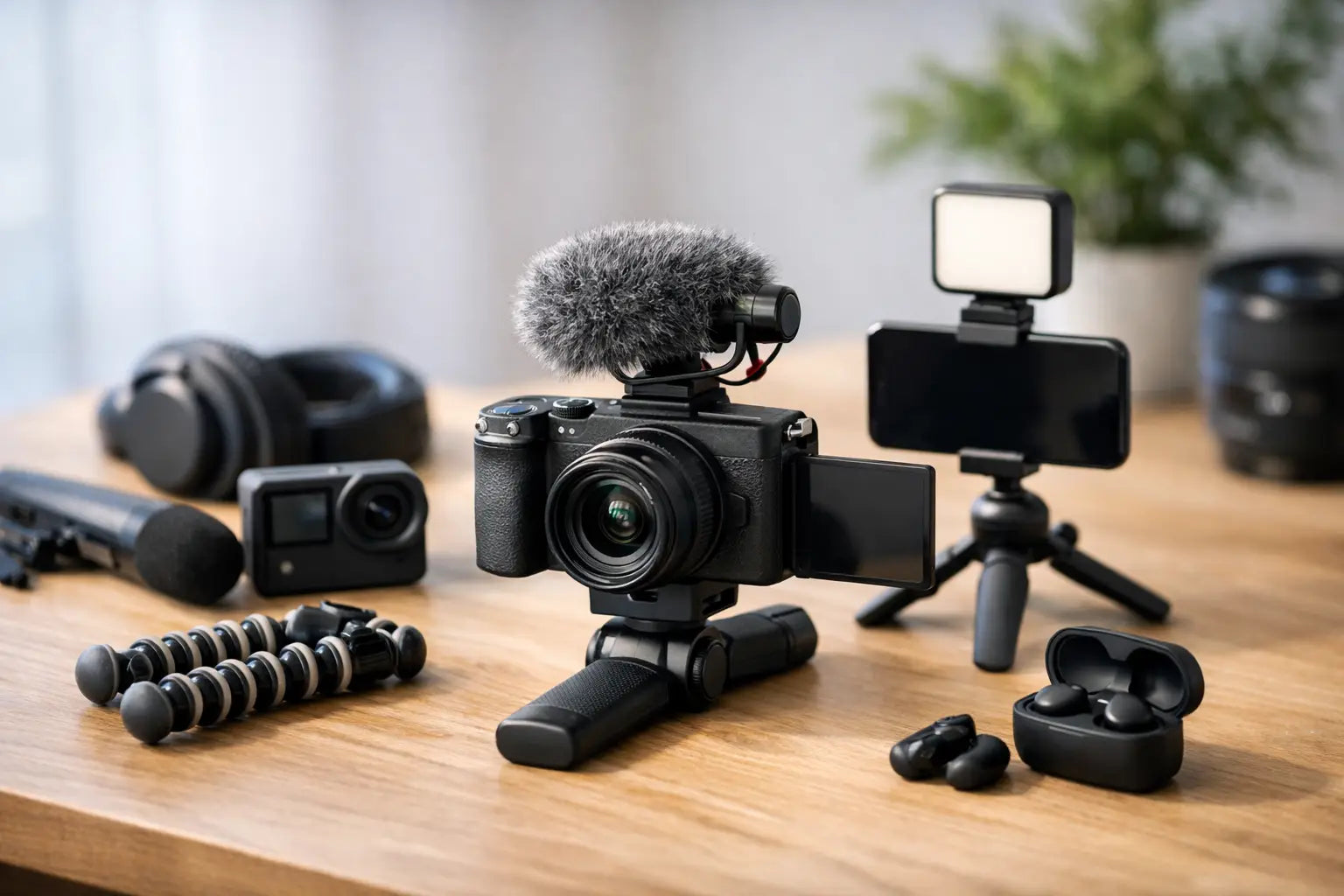
The catch is that many vlog cameras are more delicate and often need accessories to hit their full potential. A small mic, extra battery, and compact grip can quickly turn a simple setup into a mini kit. For plenty of creators, that is still worth it because the jump in image and audio quality is obvious.
For travelers who want one camera to do almost everything
This is the hardest category because "do everything" usually means "do a lot of things pretty well, but not perfectly." A hybrid compact camera can work if you want better video than a basic action cam but more portability than a full interchangeable lens setup.
This kind of camera makes sense for travelers who shoot a mix of scenery, street clips, self-recorded updates, and the occasional photo they actually want to print. You will usually get stronger image quality and more control, but also more size, more cost, and a little more friction. That last part matters. Travel content happens fast, and complicated gear can slow you down.
The real trade-offs most buyers ignore
One of the biggest mistakes people make is buying for dream trips instead of normal use. A rugged action camera sounds perfect if you imagine yourself cliff jumping in Bali, but if most of your actual footage is cafes, city walks, and airport clips, you may end up wishing for a better screen and cleaner audio.
The opposite happens too. A polished vlog camera looks great for YouTube-style travel content, but if you are rough on gear or constantly on the move, it can feel high-maintenance. The best camera is often the one that survives your habits.
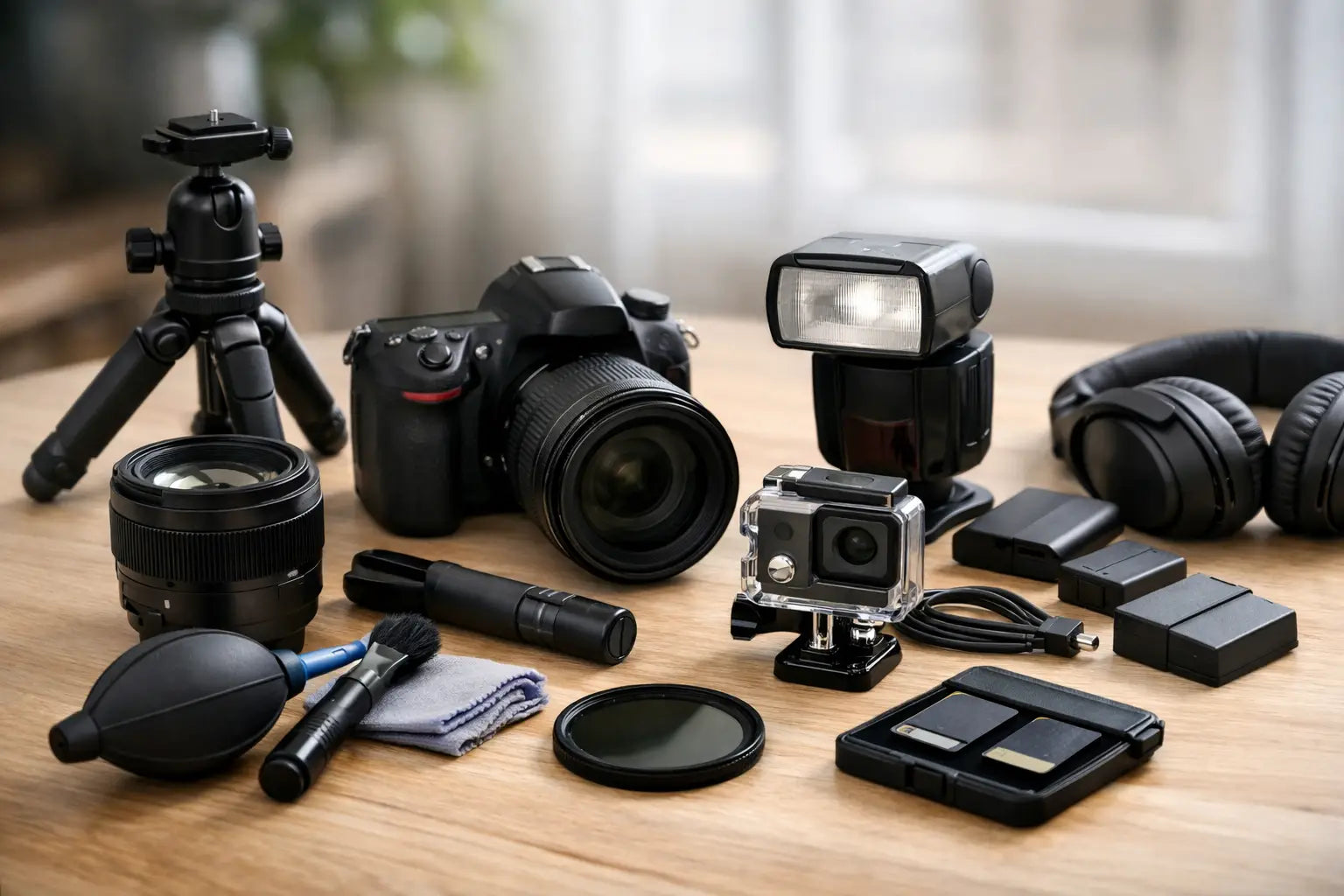
Battery life is another thing people underestimate. Recording in high resolution with strong stabilization can drain small cameras fast. If you shoot all day, plan on carrying spare batteries or a power bank no matter what camera you choose. That is not exciting, but it is cheaper than missing the best part of the trip because your camera died halfway through a boat ride.
Storage adds up fast as well. Travel footage eats memory cards for breakfast, especially if you record in 4K. Fast cards matter, but so does a simple backup routine. If you are shooting heavily, moving files each night can save a lot of pain later.
Features worth paying extra for
Good stabilization is worth the money. This is especially true for handheld travel footage, where shaky clips can ruin otherwise great moments. If a camera is known for smooth walking footage, that is not a minor spec. It is a major quality-of-life feature.
Reliable autofocus is another upgrade that pays off. If you vlog while moving, you do not want your camera hunting for focus every few seconds while the background turns sharp and your face turns soft. That gets old very quickly.
A front-facing screen is not mandatory, but it is incredibly useful. If you create solo travel content, it saves time and frustration. Better microphones or the option to connect an external mic are also worth prioritizing if voice is part of your content. Viewers will forgive a slightly less dramatic image before they forgive bad audio.
Weather resistance is a bonus that becomes a must if you travel often. Even if you are not planning extreme adventures, travel means unpredictability. Rain, dust, humidity, and packed bags are rough on electronics.
When your phone is enough
Not everyone needs a dedicated camera, and honestly, a modern phone can be a smart travel choice. If you mainly post short clips, casual vlogs, or social content, your phone may already cover what you need with less bulk and less hassle. It is always with you, easy to edit on, and good enough in many lighting situations.
Where phones usually fall short is stabilization during intense movement, battery drain, storage stress, and the general risk of using your main device for everything. Dropping your camera is annoying. Dropping your phone in the ocean is a whole different vacation story.
For many travelers, the best combo is actually a phone plus a compact action camera. Your phone handles everyday clips, maps, and quick edits. The action camera handles the wild stuff, water, and motion-heavy scenes. It is a practical setup that keeps things lightweight.
A smart buying mindset before checkout
Before you buy, ask yourself three questions. What kind of trips do you take most often? What kind of content do you really create, not just what looks cool online? And how much gear are you willing to carry every day without getting annoyed?
That last question is the one that quietly decides everything. Plenty of technically impressive cameras collect dust because they are too bulky, too fragile, or too fussy for real travel days. A smaller, simpler camera that you use constantly will beat a more advanced one that stays in your bag.
If you love fast-moving adventures, go rugged and stabilization-first. If you care more about storytelling, face-to-camera clips, and cleaner overall video, lean vlog camera. If you want a balanced setup, look for a compact hybrid that does both reasonably well. And if your phone already handles most of your needs, adding one small travel-friendly camera might be the affordable upgrade that changes your whole content game.
At Timo Market, the fun part is finding gear that fits your life now, not some imaginary version of it. Pick the camera that makes you want to film more, stress less, and actually enjoy the trip while you are living it.

Leave a comment
This site is protected by hCaptcha and the hCaptcha Privacy Policy and Terms of Service apply.