
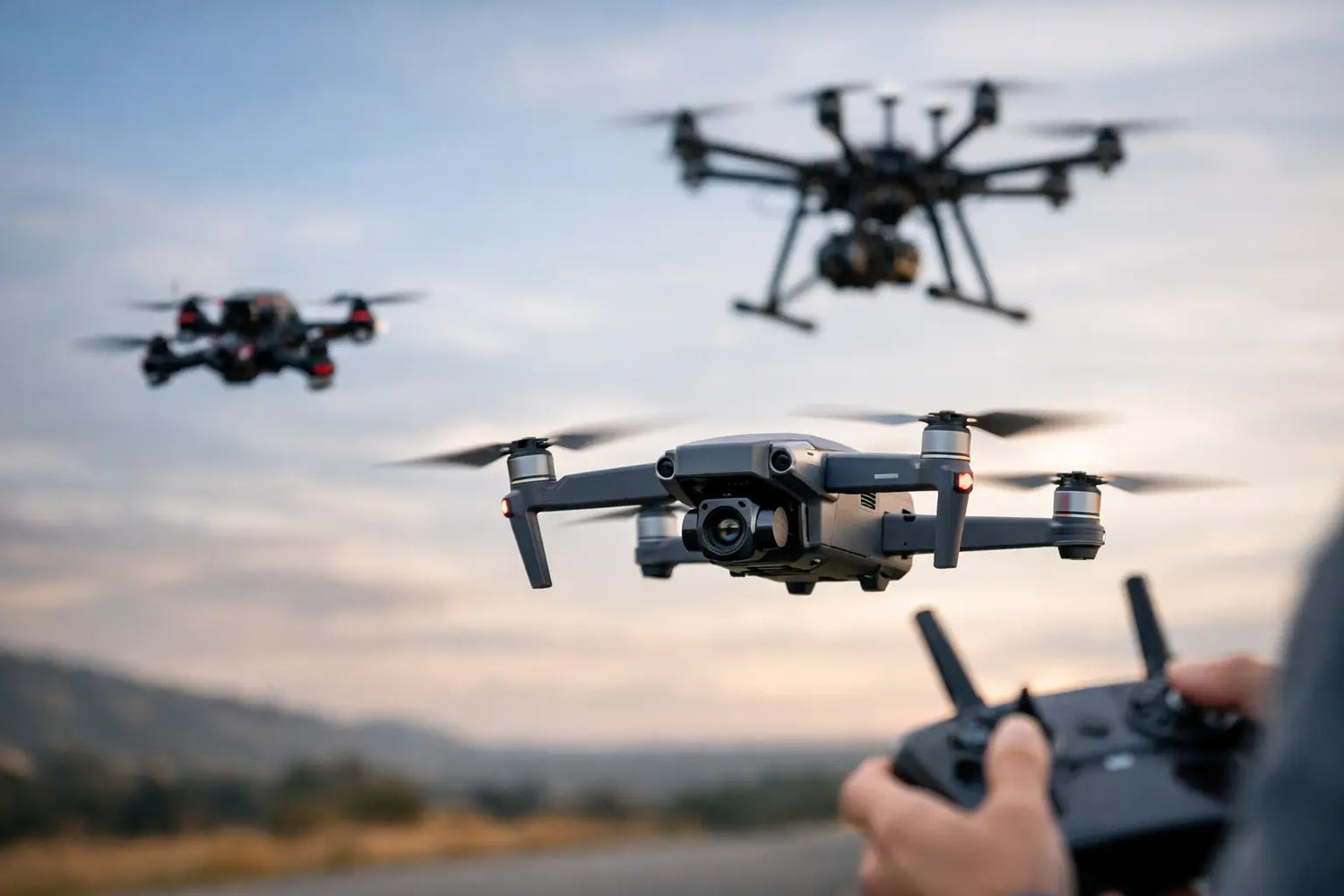
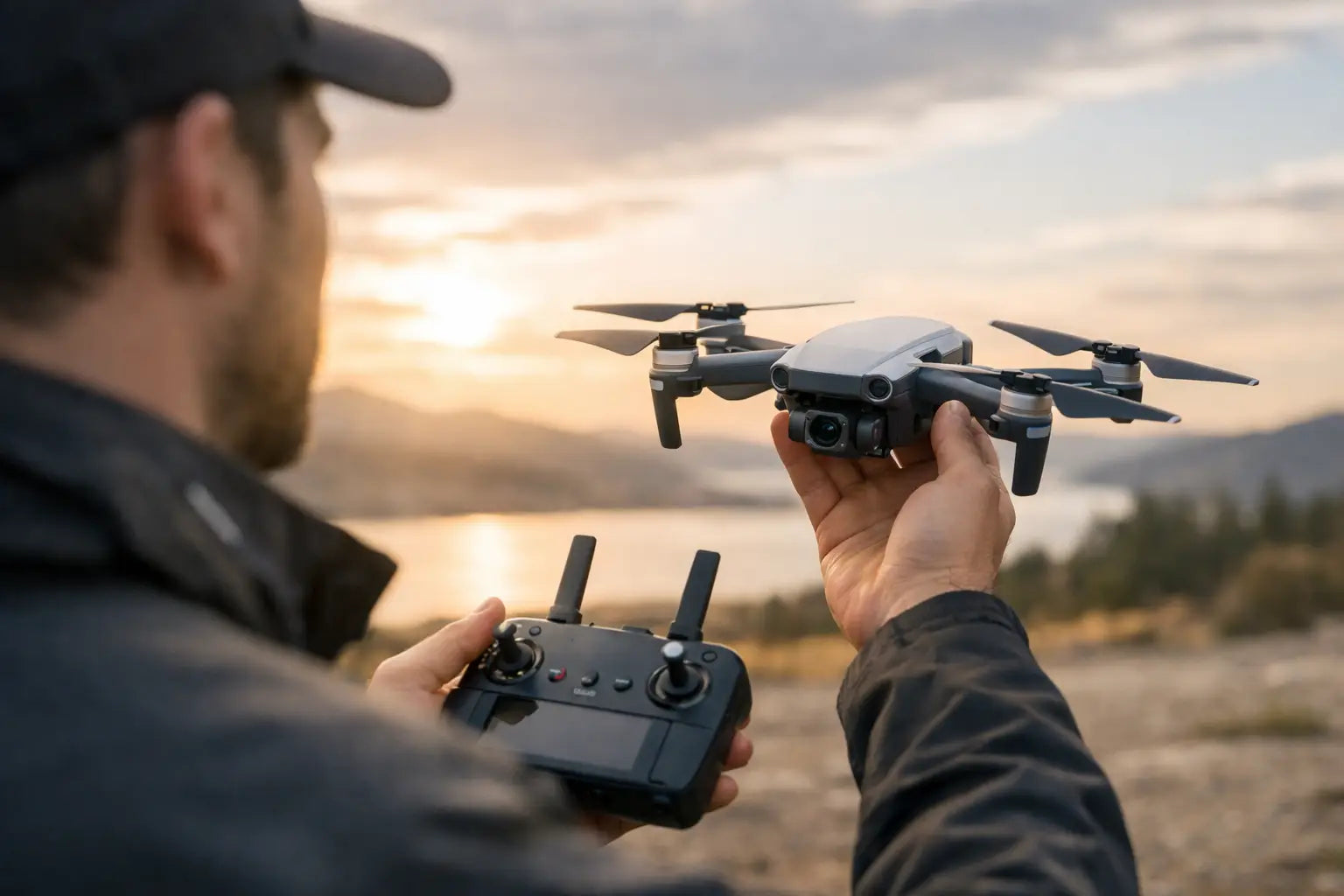
A drone can look like a simple flying gadget right up until it locks into position in a gust of wind, tracks a moving subject, and captures smooth 4K footage like it has a tiny film crew onboard. That is where top drones: a closer look at high-performance flight tech gets interesting. The best models are not just fast or flashy. They combine smart stabilization, reliable control, strong battery performance, and camera systems that make every flight feel more capable.
For shoppers who want more than a toy, performance matters in ways you notice immediately. Better drones recover faster, hover more steadily, and give you more confidence when you are flying in a park, filming a road trip, or grabbing social-ready shots on vacation. And yes, the fun factor is real. Few gadgets deliver that instant wow moment quite like a drone that actually performs the way the box promises.
What makes top drones stand out
High-performance flight tech is really about how well a drone handles the messy stuff of real-world flying. Anyone can make a drone look good on a product page. The difference shows up when the battery drops, the wind picks up, or you need the camera to stay smooth while the drone changes direction.
Top drones usually earn their spot through a mix of hardware and software working together. Strong brushless motors help with speed, stability, and durability. Gyro-based stabilization and intelligent flight controllers keep movement controlled instead of twitchy. Better GPS support helps with precise hovering and reliable return-to-home features. When all of that clicks, the flight feels less stressful and a lot more premium.
That does not mean the most expensive drone is automatically the best pick for everyone. If you are flying casually on weekends, a mid-range model with stable hover and a decent camera may be a smarter buy than a pro-level unit loaded with features you will barely use. Performance is not just about max specs. It is about getting the right tech for the way you actually fly.
Top drones: a closer look at high-performance flight tech
The easiest way to understand drone performance is to break it into the features that affect every flight. Some matter to everyone, like battery life and control range. Others depend on your goals, like obstacle avoidance or advanced camera settings.
Flight stability is the first big upgrade
If you have ever flown a cheaper drone that drifted sideways for no reason, you already know why stability matters. High-performance drones use better sensors and more refined control systems to hold position accurately. That means less fighting with the controls and more time getting the shot or simply enjoying the flight.
This is especially noticeable for beginners. A stable drone feels easier to learn on because it responds predictably. For experienced users, stability is what makes cinematic footage possible. Smooth pans, controlled descents, and cleaner hovering all start here.
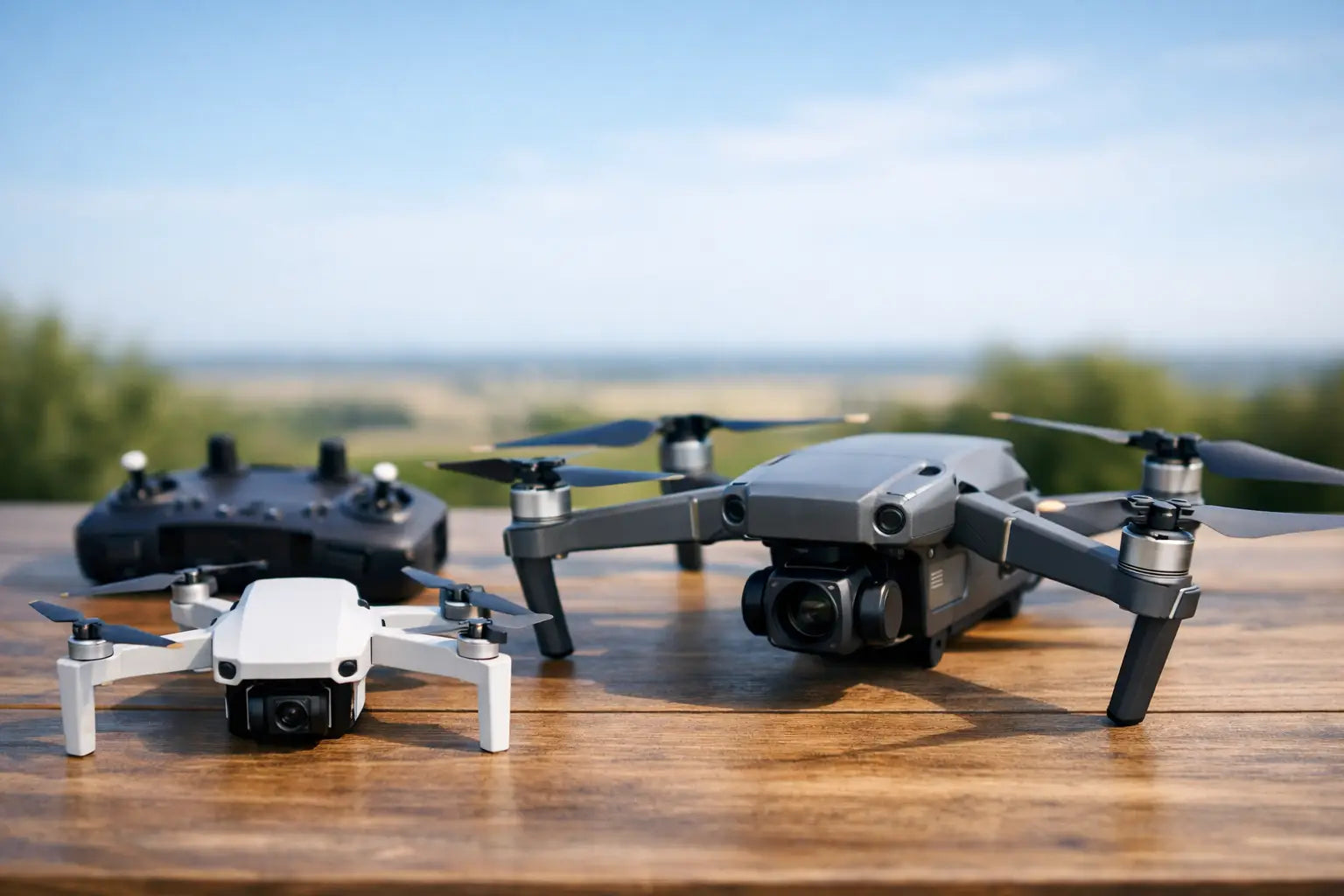
Wind resistance is part of this conversation too. A small foldable drone can be excellent for travel, but lighter models may struggle sooner in windy conditions. Larger drones often handle outdoor flights better, though they are less convenient to carry around. That trade-off matters if portability is high on your list.
Camera quality is more than resolution
A lot of shoppers jump straight to 4K, and fair enough - it sounds impressive and usually is. But high-performance flight tech is not just about a big resolution number. Sensor size, image processing, stabilization, and frame rate all shape how good your footage actually looks.
A drone with 4K video and shaky stabilization can still produce disappointing results. Meanwhile, a well-tuned camera with solid electronic image stabilization or a gimbal can create much smoother video that looks better on social platforms, YouTube, or even a big screen. If you care about photography, features like HDR, low-light performance, and RAW image capture can make a bigger difference than extra megapixels.
For casual users, a clean, stable camera is often enough. For content creators, the jump to better color detail and smoother motion is worth paying attention to. It depends on whether you want quick clips for fun or footage you plan to edit seriously.
Battery life changes the whole experience
Short battery life is one of the fastest ways to kill the vibe. You spend time setting up, calibrating, and getting airborne, then suddenly it is time to land. Top drones push battery efficiency further, giving you more usable flight time per session.
Real-world battery performance is usually lower than the headline number, so it helps to shop with realistic expectations. Wind, speed, camera use, and aggressive flying all drain power faster. A listed 30-minute flight time may translate to something lower in normal use, but that is still a lot better than the entry-level drones that tap out too soon.
Extra batteries can be a smart move if you plan to use the drone often. One battery is okay for a quick test flight. Multiple batteries turn the drone into something you can enjoy for a full outing instead of a brief demo.
Smart flight features make drones feel easier
This is where modern drones start to feel seriously impressive. Return-to-home, follow-me tracking, waypoint navigation, altitude hold, gesture controls, and obstacle sensing can make flying smoother and safer. They also lower the learning curve for people who want better results without becoming full-time drone nerds.
That said, smart features are only helpful if they work reliably. Basic tracking on a budget model may lose the subject or react slowly. More advanced systems tend to be faster and more accurate, but they also raise the price. If your main goal is easy family videos or scenic clips, choose the smart tools you will genuinely use rather than chasing every feature available.
Speed and range sound cool, but context matters
Yes, speed is fun. A quick drone feels more responsive, more exciting, and better suited for outdoor adventure. Longer transmission range also gives you more flexibility in open spaces. But these specs are easy to overvalue if you are not careful.
Most casual users do not need racing-level performance. In fact, ultra-fast drones can be harder to control and less forgiving for beginners. Similarly, extreme range numbers look great in product descriptions, but local regulations, signal conditions, and line-of-sight limits affect what is practical.
A better question is whether the drone feels responsive and dependable in normal use. For most buyers, that matters more than bragging rights.
How to shop for performance without overspending
A smart buy starts with being honest about your use case. If you want a fun gadget for weekend flights, you probably do not need enterprise-grade sensors or advanced cinema settings. If you are buying for travel, portability may matter more than raw power. If you are creating content, camera stabilization and subject tracking may deserve the biggest share of your budget.
There is a sweet spot in the drone market where performance feels exciting without the price getting wild. That is usually where value-focused shoppers get the biggest win. You want enough flight tech to notice the upgrade every time you launch, but not so many niche features that you are paying for stuff that never leaves the settings menu.
This is also why browsing a curated gadget store can feel easier than digging through a thousand random listings. A retailer like Timo Market speaks to shoppers who want cool, capable products without turning every purchase into a research marathon. That convenience matters when you just want a drone that feels worth it.
A few trade-offs worth knowing before you buy
Smaller drones are easier to pack, but larger ones often feel more stable in the air. Better cameras raise the price and can reduce battery efficiency. Obstacle avoidance adds peace of mind, but it is not magic, especially in low light or cluttered spaces. And beginner-friendly controls are great until you want more manual freedom.
There is also the reality that not every “pro” feature changes daily use. Some shoppers will love detailed camera controls and advanced flight modes. Others will use auto takeoff, record a few clips, and call it a perfect day. Neither approach is wrong.
That is the real appeal of modern drone tech. You can get a lot of fun and capability without needing pilot-level experience. The trick is matching the drone to your habits instead of chasing the most hyped spec sheet on the screen.
What high-performance flight tech really gives you
At its best, it gives you confidence. Confidence that the drone will hold steady, respond when you need it to, and come back safely. Confidence that your footage will look smooth enough to keep instead of deleting right away. And confidence that the product feels like an upgrade, not a frustration with propellers.
That is why top drones keep pulling people in. They mix entertainment, creativity, and smart engineering in a way that feels instantly rewarding. If you choose based on real performance - not just flashy claims - you are far more likely to end up with a drone that earns repeat flights instead of collecting dust on a shelf.
Pick the one that fits your style, your budget, and your idea of fun, and the tech starts making sense the second it leaves the ground.


Leave a comment
This site is protected by hCaptcha and the hCaptcha Privacy Policy and Terms of Service apply.