
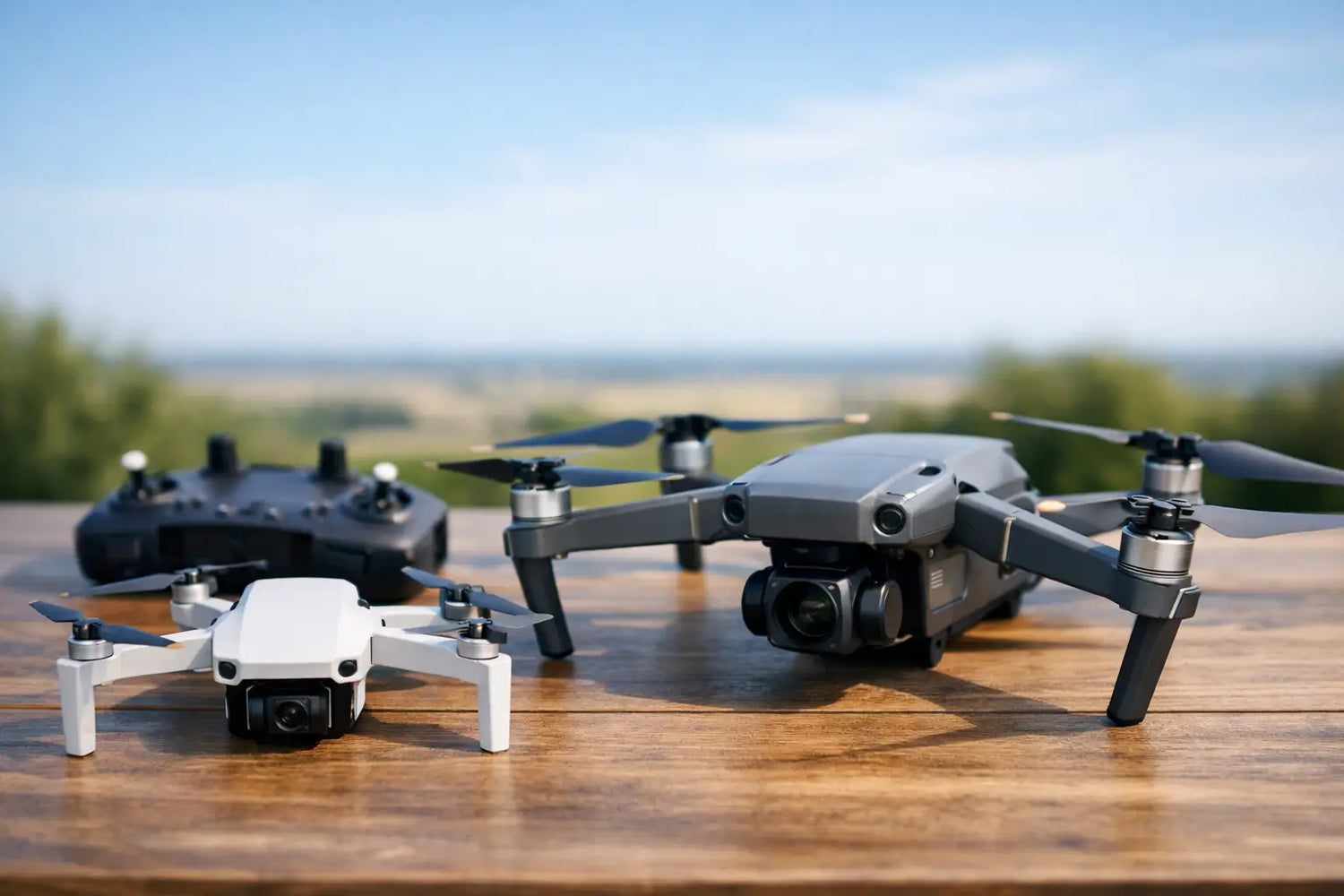
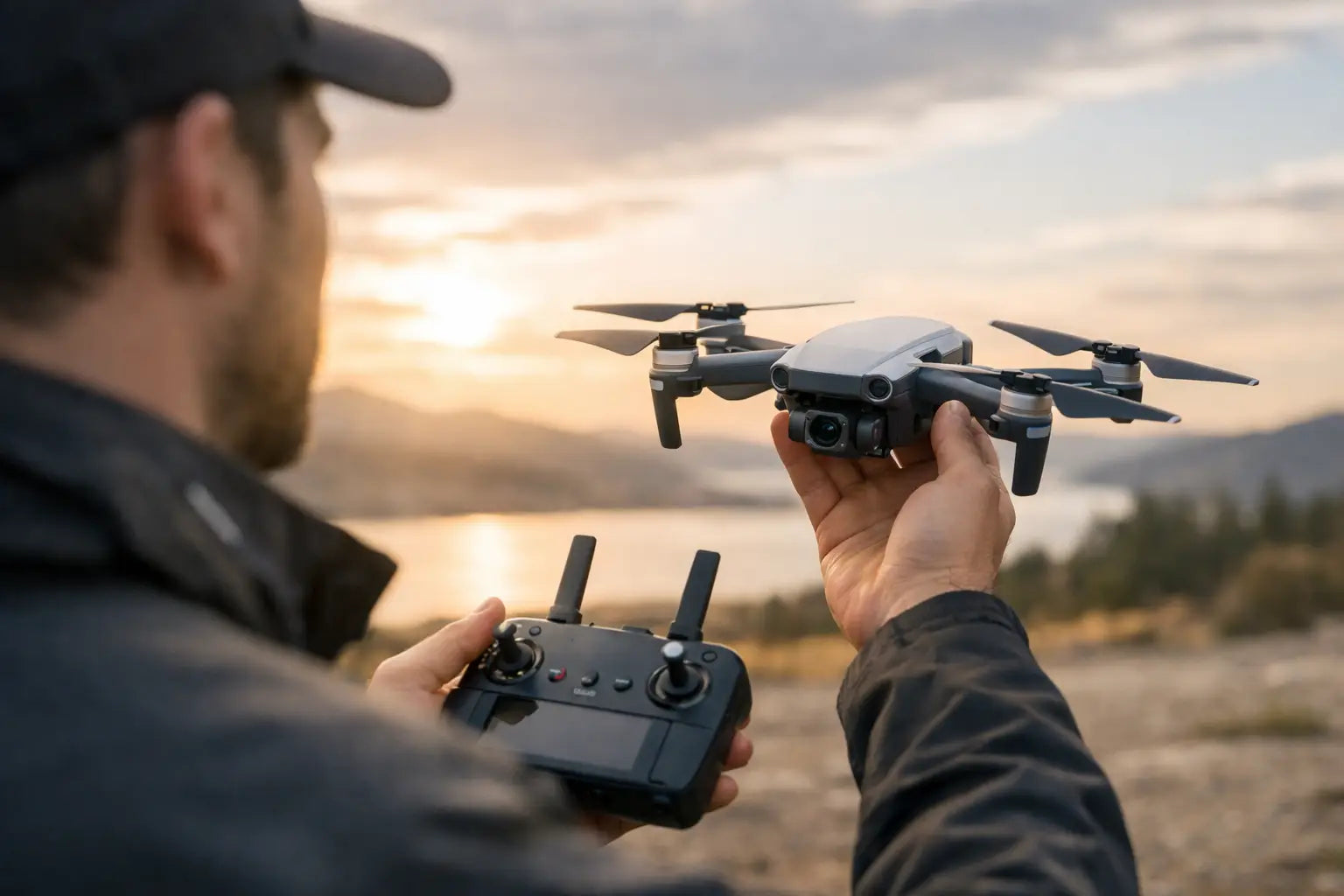
That first smooth liftoff is the moment people get hooked. One minute you are opening a box, the next you are hovering over your driveway, chasing sunset shots, and wondering why you did not try this sooner. The ultimate guide to beginner-friendly quadcopters & smart drones is really about making that first experience fun instead of frustrating.
If you are buying your first drone, the biggest mistake is shopping by hype alone. A flashy product page can make any model look like a Hollywood camera rig, but beginners usually need something simpler - stable flight, forgiving controls, decent battery life, and smart safety features that prevent expensive accidents. The good news is that entry-level drones have gotten much better. You no longer need expert skills or a huge budget to get a fun, capable flying gadget.
The ultimate guide to beginner-friendly quadcopters & smart drones starts with the right expectations
A beginner drone does not need to do everything. It needs to do the basics well. That means easy takeoff, predictable controls, and enough built-in assistance to help you learn without feeling like you are wrestling a tiny robot in the sky.
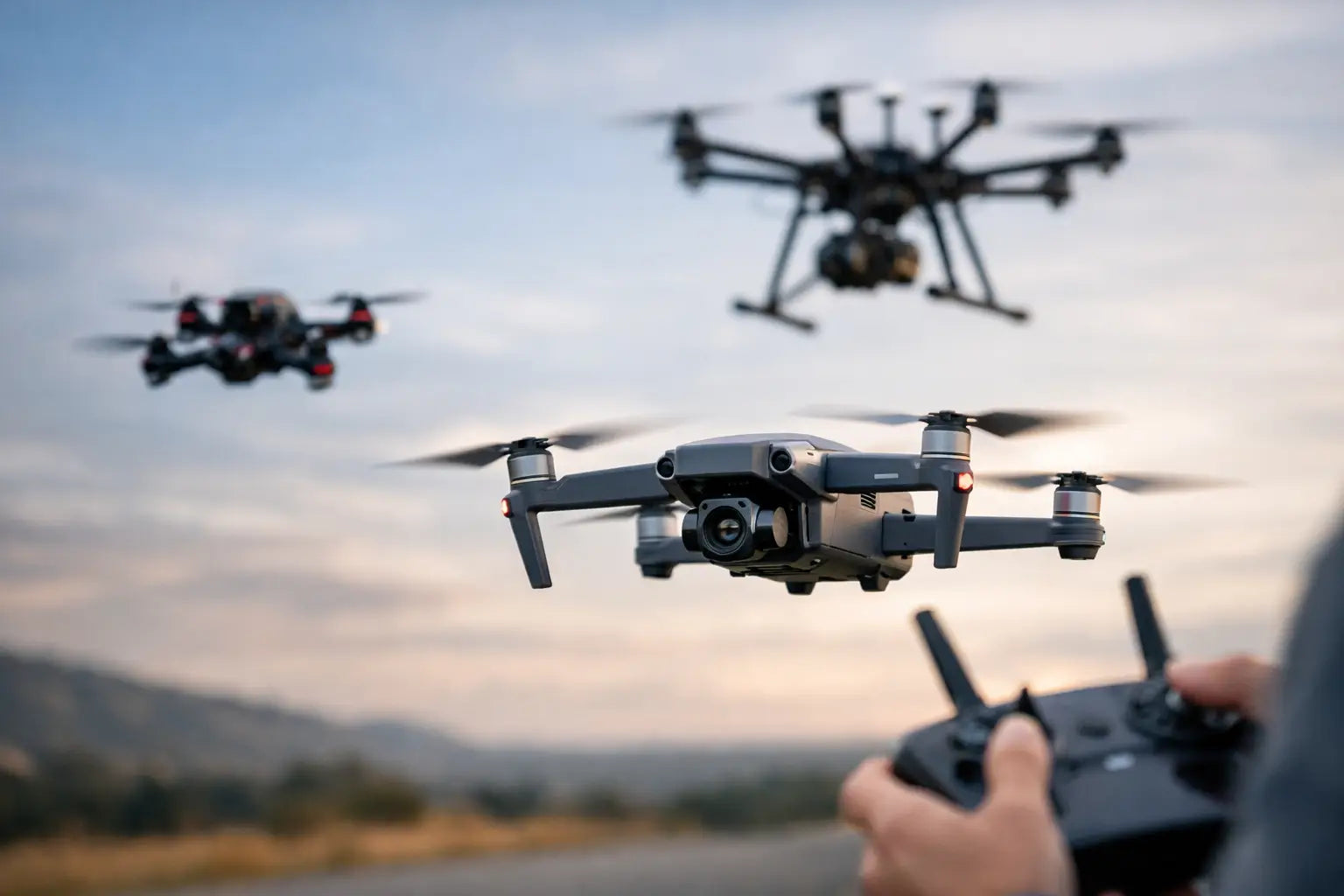
This is where smart drones stand out. They use software and sensors to reduce the learning curve. Features like altitude hold, one-key takeoff and landing, headless mode, obstacle sensing, and return-to-home can make a huge difference when you are still figuring out orientation and throttle control. For a first-time flyer, those features are not gimmicks. They are confidence boosters.
That said, smart features are not magic. A drone with lots of automation can still drift in strong wind, lose signal in a bad environment, or burn through its battery faster than you expect. Beginners often assume the word smart means crash-proof. It does not. It just means the drone gives you more help than older, purely manual models.
What makes a quadcopter beginner-friendly?
The best beginner-friendly quadcopters usually share the same core traits. They are lightweight, responsive without being twitchy, and simple to control through either a dedicated remote or an app. Many also have propeller guards, which are a small detail that can save you from a lot of wall-related regret.
Flight stability matters more than top speed. A fast drone sounds exciting until you realize fast also means easier to lose control. For new users, smooth hovering and gentle steering are far more valuable than aggressive performance. You can always upgrade later once your reflexes catch up.
Durability also deserves more attention than it gets. First flights are rarely perfect. A beginner drone should survive a rough landing, a clipped tree branch, or the classic too-close-to-the-fence moment. A sturdy frame and replaceable propellers are practical features, not boring ones.
Camera quality is where expectations need a reality check. Many beginner drones advertise HD or even 4K video, but the result depends on sensor quality, stabilization, lighting, and how steady the drone stays in flight. If your goal is casual social content, family footage, or fun travel clips, an entry-level camera may be plenty. If you expect cinematic results right away, you may need to spend more.
Smart drone features worth paying for
Not every premium-looking feature is worth stretching your budget. Some are genuinely useful from day one, while others sound cooler in marketing than they feel in real use.
GPS is one of the best upgrades for beginners. It improves stability, helps with position hold, and supports return-to-home if the battery gets low or the signal drops. That one feature alone can make flying feel less stressful.
Follow-me modes and gesture controls can be fun, especially for outdoor adventures or quick clips, but they work best in open spaces with good lighting and strong signal conditions. They are nice extras, not essentials. If you are choosing between flashy auto-tracking and better battery life, battery life usually wins.
Obstacle avoidance sits in the middle. It can be incredibly helpful, especially for nervous beginners, but lower-cost systems are not always perfect. Some only detect objects in certain directions. Some work poorly in dim light or around thin branches. It is a useful layer of backup, not a license to fly straight at a tree and hope technology handles it.
How much should you spend on your first drone?
For most beginners, the sweet spot is not the cheapest option and not the premium flagship either. Ultra-budget drones can be fun for indoor practice or kids, but they often sacrifice range, stability, battery performance, and camera quality. That can make learning harder, not easier.
Mid-range beginner drones usually offer the best balance. You get better flight assistance, stronger build quality, and a more reliable overall experience without stepping into serious hobbyist pricing. If you want a drone you will still enjoy after the learning phase, this is usually the smartest lane.
Higher-end smart drones make sense if you already know you care deeply about photography, travel content, or advanced features. But for a true beginner, there is a trade-off. The more expensive the drone, the more stressful every early mistake can feel. That alone can make learning less fun.
The ultimate guide to beginner-friendly quadcopters & smart drones for real-life use
Think about where and how you will actually fly. That matters more than chasing the spec sheet.
If you want a drone for backyard fun, park flights, and casual weekend use, look for something compact, durable, and easy to launch quickly. You do not need pro camera specs to enjoy it. You need convenience.
If your goal is travel content, portability becomes a bigger deal. Foldable designs, compact controllers, and good battery efficiency are worth prioritizing. No one wants a cool gadget that stays home because it is annoying to pack.
If you are shopping for a gift, ease of use should be at the top of the list. A beginner-friendly drone should feel exciting right out of the box, not like a project that needs three hours of setup videos before the first flight. This is where curated gadget stores like Timo Market fit naturally - shoppers are often looking for fun, useful products that feel like an upgrade without becoming a full-time hobby.
Common mistakes first-time buyers make
The first is ignoring battery reality. Many drones list impressive flight times, but those numbers are often based on ideal conditions. Wind, speed, recording video, and aggressive flying all cut into runtime. Buying extra batteries is often one of the smartest decisions you can make.
The second is underestimating wind. A small lightweight quadcopter may fly beautifully indoors or on a calm morning, then struggle badly in a breezy open area. If you live somewhere windy, a bit more stability and GPS support are worth paying for.
The third is buying based only on camera resolution. A shaky 4K video is still shaky video. Stabilization, hover performance, and control smoothness matter just as much.
The fourth is skipping the learning phase. Even with smart features, you still need practice. Start in a wide, open area. Learn how the drone reacts when it faces toward you, away from you, and sideways. Most beginner crashes happen because orientation gets confusing fast.
Safety, rules, and staying out of trouble
Drone shopping is more fun than rule reading, but a few basics matter. Depending on the drone and where you fly, registration and local regulations may apply. Rules can vary by location, so checking current requirements before flying is just part of being a smart owner.
It is also worth thinking beyond legal minimums. Avoid crowded areas. Keep your drone in sight. Do not fly near airports or places where you should obviously not be flying a camera-equipped gadget. Basic courtesy goes a long way, especially with neighbors.
For beginners, the safest setup is simple - a clear open space, fully charged batteries, updated firmware if needed, and a short first session focused on basic control instead of trying every fancy feature at once. Save the dramatic reveal shots for flight number three, not flight number one.
So what should you buy?
Start with your real goal, not the coolest spec. If you want easy fun, choose stability and durability. If you want shareable footage, prioritize GPS and better camera performance. If you want a giftable all-around gadget, look for intuitive controls, decent battery life, and smart safety features that lower the stress.
The best beginner drone is not the one with the longest feature list. It is the one that makes you want to keep flying. A good first quadcopter should feel exciting on day one and still satisfying a month later, once the novelty wears off and the real test begins.
That is the sweet spot - a drone that feels easy enough to start, smart enough to grow with you, and fun enough that you will actually take it outside instead of leaving it in the box.

Commenta
Questo sito è protetto da hCaptcha e applica le Norme sulla privacy e i Termini di servizio di hCaptcha.