
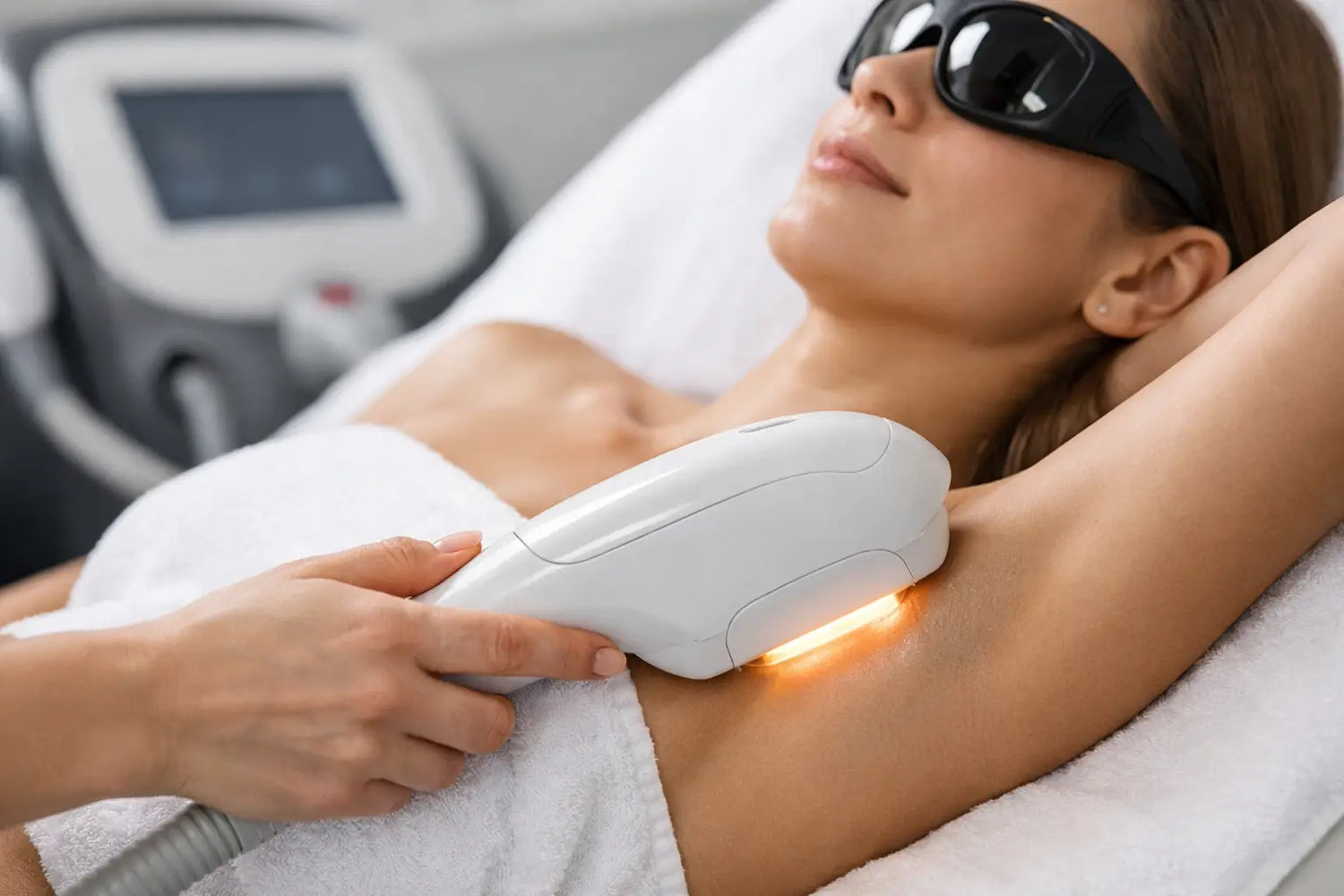
That tiny flash of light can feel more intimidating than it looks. So, does IPL hurt? For most people, at-home IPL hair removal feels like a quick warm snap against the skin - think a light rubber-band flick, not a full-on waxing session. The sensation is real, but it is usually brief and manageable when you use the device correctly.
Your experience can vary a lot by body area, skin sensitivity, hair thickness, device settings, and your personal pain tolerance. The good news: there are practical ways to make each session much more comfortable without turning your bathroom into a complicated science lab.
Does IPL Hurt More Than Shaving or Waxing?
IPL, short for intense pulsed light, uses broad-spectrum light to target pigment in the hair. That light converts to heat at the follicle, helping slow future hair growth over a series of treatments. You may feel that heat in the moment, especially where hair is darker or coarser.
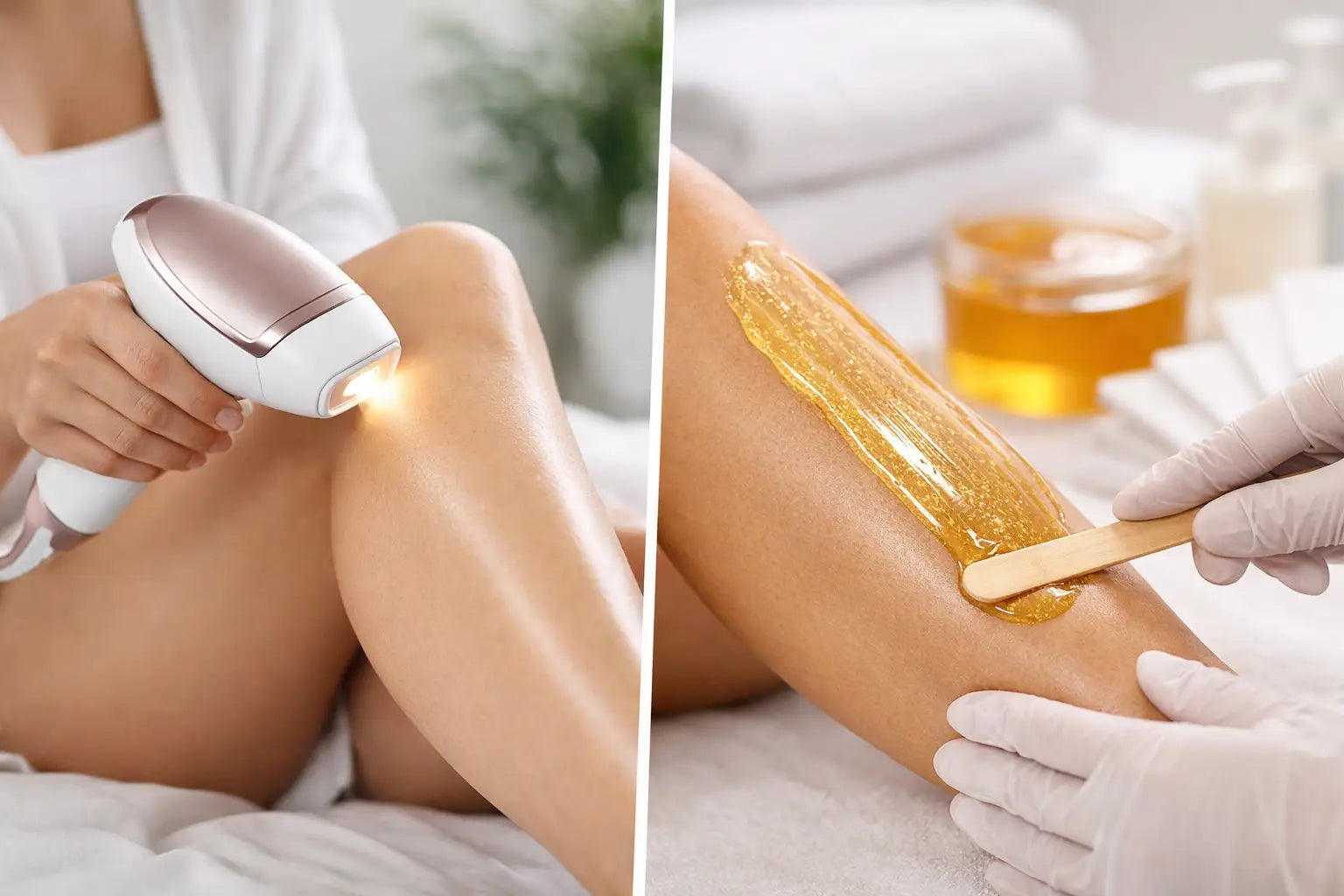
Compared with shaving, IPL is more noticeable. Shaving cuts hair at the surface, so it should not hurt unless you nick yourself or use a dull razor. Compared with waxing or epilating, though, IPL is often easier to tolerate. Waxing pulls multiple hairs out by the root in one go, while IPL delivers a fast flash that is over almost immediately.
A useful way to set expectations: IPL should feel spicy for a split second, not unbearable. If every flash makes you tense up, leaves significant pain behind, or causes blisters, stop using the device. More intensity is not automatically more effective, and irritated skin is never the goal.
What IPL Feels Like on Different Body Areas
Not every zone plays by the same rules. Areas with thicker hair, thinner skin, or more nerve endings can feel warmer and sharper than other spots.
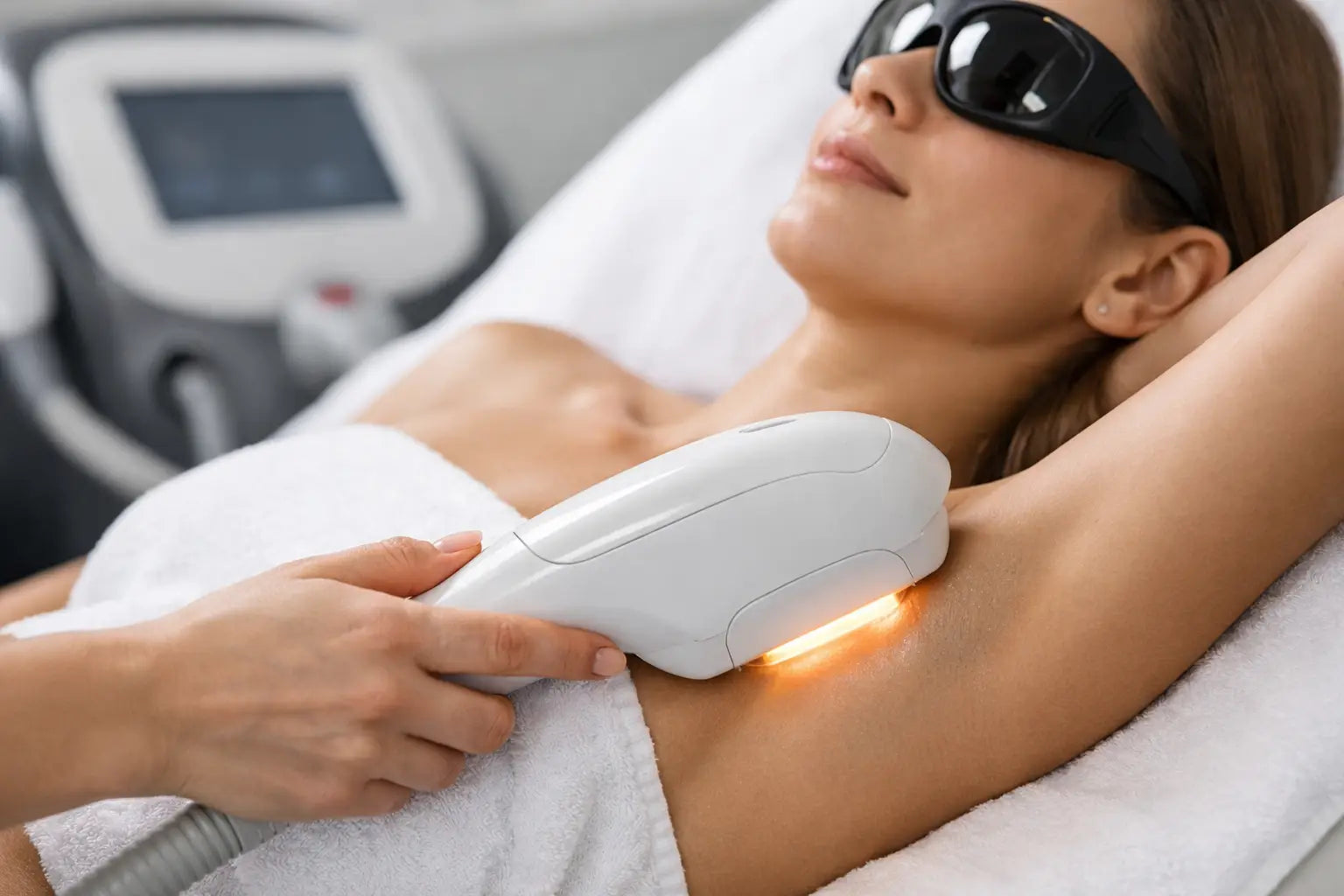
The lower legs and arms are often among the easiest places to start. Many users describe the feeling here as a mild heat pulse. Underarms can be more sensitive because the hair tends to be coarse and the skin is delicate. The bikini line may bring the strongest sting for the same reasons, so going slow and using a lower setting at first is a smart move.
The upper lip can also feel surprisingly intense. It is a small area, but facial skin is sensitive and the skin sits close to bone. If your device is approved for facial use, follow its facial-use instructions exactly. Never assume that a body attachment or body-level setting belongs near your eyes.
Your results may also change from session to session. Freshly shaved, dark stubble can make the light pulse feel stronger than fine regrowth. Hormonal changes, dry skin, sun exposure, and even a rough day can affect how sensitive you feel.
Why an IPL Flash Can Sting
The snap happens because IPL is designed to seek out melanin, the pigment that gives hair its color. Darker, denser hair generally absorbs more of the light energy, which can mean a more noticeable burst of warmth.
That is also why at-home IPL is not a one-size-fits-all gadget. These devices tend to work best when there is clear contrast between the hair and skin tone, such as darker hair on lighter to medium skin. Some devices have broader compatibility ranges than others, but you should always check the manufacturer’s skin-tone and hair-color chart before buying or using one.
Very light blond, gray, white, or red hair may not have enough pigment for IPL to target effectively. On deeper skin tones, the skin itself can absorb more light, raising the risk of discomfort, burns, or discoloration if the device is not designed for that tone. A built-in skin sensor is helpful, but it does not replace reading the instructions or doing a patch test.
How to Make At-Home IPL More Comfortable
A little prep can make a big difference. Start with clean, dry skin and shave the treatment area first, unless your device says otherwise. Shaving leaves the follicle in place for the light to target while removing long surface hair that could singe and create extra heat. Skip waxing, tweezing, and epilating before an IPL session because those methods remove the hair root.
Do a patch test before treating a larger area, especially if it is your first session, you are trying a new power level, or you have not used the device in a while. Treat a small spot, then wait as directed in the manual to make sure your skin stays calm.
Use the lowest comfortable intensity to begin. There is no prize for jumping straight to maximum power. Build up only if your skin tolerates it well and your device’s instructions allow it. Keep the treatment window flat against the skin so the flash lands evenly, and avoid overlapping the same spot repeatedly.
If your device permits it, a cool compress before or after treatment can take the edge off. Keep it simple: clean cloth, cool water, a few minutes. Avoid ice directly on bare skin. Afterward, use gentle, fragrance-free moisturizer if your skin feels dry, and skip hot showers, saunas, intense workouts, and heavily fragranced products for a day or two if you are feeling sensitive.
What Not to Do Before IPL
IPL is not the moment for a sun-kissed glow. Avoid treating tanned, sunburned, or recently self-tanned skin. Tanning changes how much pigment is in the skin and can increase the chance of irritation or uneven pigmentation. Sun protection between sessions is part of the plan, not an optional extra.
You should also avoid treatment over tattoos, very dark moles, beauty marks, open cuts, active rashes, varicose veins, or areas with infection. The light can interact unpredictably with dark ink or pigmented spots, and broken or inflamed skin needs time to heal, not more heat.
Certain medications and skin-care ingredients can make skin more sensitive to light. Retinoids, some acne treatments, some antibiotics, and photosensitizing medications are common examples. If you use prescription skin medication, have a skin condition, are pregnant or breastfeeding, or are unsure whether a product affects light sensitivity, ask a dermatologist or qualified clinician before starting. Cute gadgets are great. Avoidable burns are not.
When IPL Discomfort Means You Should Stop
Temporary redness or warmth that fades fairly quickly can happen, particularly after your first few sessions. But intense or persistent pain is a stop sign. Do not keep flashing through it in the hope that it will get better.
Stop treatment and get medical advice if you develop blistering, swelling, severe redness, crusting, changes in skin color, or pain that does not settle. The same applies if a treated area looks infected or you have an unexpected reaction. Keep the device manual handy, since it will include specific guidance for your model.
It is also okay to decide IPL is simply not for you. Hair removal is personal. Some people love the convenience of gradually reducing shaving time; others prefer a razor, professional treatment, or embracing their natural hair. The best routine is the one that fits your skin, budget, schedule, and comfort level.
Make Your First Session a Low-Stress One
For a first try, choose an easy-to-reach area like part of your lower leg rather than starting with underarms or the bikini line. Shave, patch test, begin at a low setting, and pay attention to how your skin responds over the next day. That small test run gives you better information than any dramatic review online.
IPL should feel like a quick trade-off for convenience, not a test of toughness. Start gently, follow the device instructions, and give your skin the same care you would give any new self-care upgrade. Your future routine may get a little easier - and that is a pretty good reason to take it slow.

Laisser un commentaire
Ce site est protégé par hCaptcha, et la Politique de confidentialité et les Conditions de service de hCaptcha s’appliquent.