
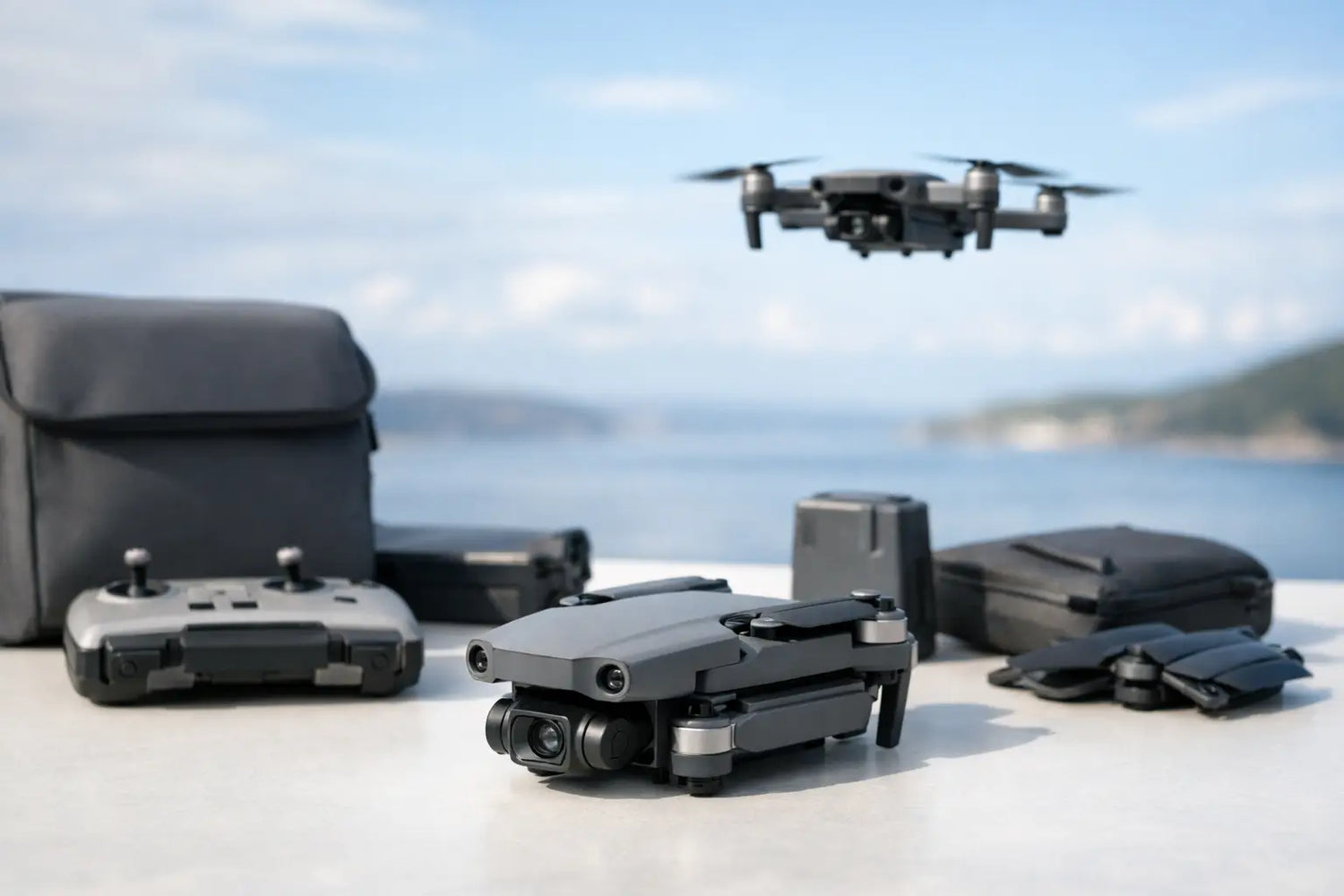
That tiny foldable drone in your cart might look like an easy yes - until you realize compact drones can be amazing, annoying, or both depending on what you actually want them to do. A smart buyers guide to compact drones starts there: not with hype, but with the real question. Are you buying for quick weekend fun, social-ready footage, travel convenience, or your first serious step into aerial photography?
Compact drones have become one of the easiest ways to add more fun to a trip, a park day, or a content setup without carrying a giant case full of gear. They are small, portable, and usually less intimidating than larger models. That said, smaller does not always mean simpler. A lightweight drone can be easier to carry, but it can also struggle more in wind, have shorter flight time, or make trade-offs in camera quality.
Buyers guide to compact drones: start with your use case
Before comparing specs, decide what a win looks like for you. If you mostly want something fun that fits in a backpack and launches in seconds, prioritize portability, simple controls, and decent battery life. If your goal is cleaner footage for travel reels or outdoor videos, the camera and stabilization matter more than flashy app extras.
This is where a lot of shoppers get tripped up. They see features like obstacle avoidance, gesture controls, one-tap tricks, or dramatic marketing shots and assume every compact drone will perform the same way. Not even close. Two drones can look nearly identical online and deliver completely different experiences once they are in the air.
A first-time buyer usually gets the most value by choosing a model that is easy to fly and easy to replace parts for, rather than chasing the highest spec sheet. If you already know you care about image quality, then spending more up front can save you from upgrading a month later.
Size is the point, but it changes performance
The whole appeal of a compact drone is convenience. You can toss it into a day bag, bring it on vacation, and pull it out without making the moment feel like a film production. That convenience is real, and for a lot of people it matters more than having the biggest drone with the longest list of pro features.
But small size affects how the drone flies. Lighter drones can get pushed around more by wind, especially near beaches, open fields, cliffs, and rooftops. If you live somewhere breezy or plan to travel with your drone, that is not a minor detail. A compact model that feels perfect in a calm backyard can suddenly feel twitchy on a coastal trip.
Foldable designs are especially popular because they save space and feel travel-ready. Just make sure the compact body does not come at the expense of durability. Hinges, propeller guards, and landing legs should feel like they can handle regular use, not just look good in product photos.
Camera quality matters more than most people think
A lot of buyers say they want a drone "just for fun" and then immediately care a lot when the footage looks soft, shaky, or washed out. If camera performance matters even a little, pay attention to resolution, stabilization, and low-light handling.
Resolution is the easy number to market, but it is not the whole story. A drone claiming high-resolution video can still produce disappointing results if the sensor is weak or the stabilization is poor. Smooth footage usually matters more than inflated numbers on a listing.
Look for a drone with reliable stabilization if you want usable video rather than novelty clips. A gimbal or advanced electronic stabilization can make a huge difference. Without it, your footage may look jittery the second the drone changes direction or catches a gust.
Photos are a different conversation. If your main goal is occasional overhead shots for social media, you may not need premium image quality. If you want travel photos worth editing and saving, though, the camera should move much higher on your priority list.
Flight time, batteries, and the truth behind "up to"
Every drone shopper notices flight time because it sounds simple. More minutes should mean better value, right? Usually yes, but the advertised number is almost always the best-case scenario.
Real-world flight time depends on wind, speed, filming mode, temperature, and how aggressively you fly. A drone listed at 20 minutes may give you meaningfully less once you are actually recording video, testing features, and bringing it back with enough battery to land safely.
That is why battery availability matters almost as much as battery life itself. One battery can feel limiting very quickly. If the drone supports extra batteries or bundle options, that often turns a fun gadget into something you will use a lot more.
Charging time matters too. Fast turnaround is great for day trips, while slower charging can leave you waiting around when you wanted to keep flying.
Controls can make or break the experience
The best compact drone for a beginner is not the one with the most features. It is the one that feels predictable. Stable hovering, responsive controls, easy takeoff and landing, and a clear app interface all matter more than gimmicks.
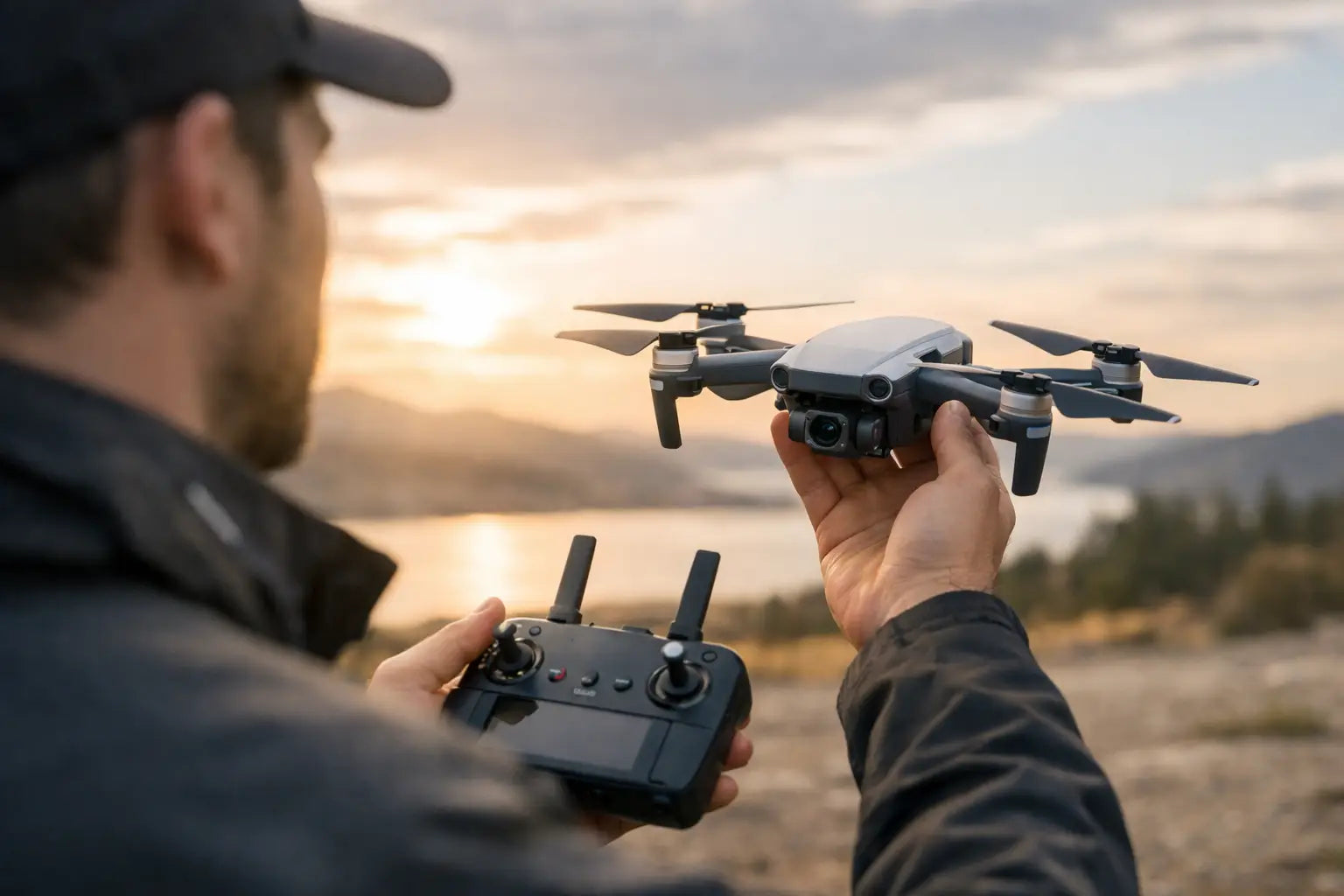
Some compact drones use a physical controller, while others rely heavily on smartphone controls. Phone-based flying can feel convenient, especially for casual users, but it can also be less precise. A dedicated controller usually gives better range, better responsiveness, and a more comfortable experience for longer sessions.
App quality is a bigger deal than many shoppers expect. If the app is clunky, crashes often, or buries important settings, the drone stops feeling fun fast. Features like one-key return, beginner mode, live view, and easy calibration can make a huge difference for new users.
If you are buying for a teenager, a first-time pilot, or someone who just wants a fun gadget rather than a hobby, simpler is usually smarter.
What to look for in a buyers guide to compact drones
When comparing compact drones, it helps to think in layers. First comes the core flying experience: stability, controls, battery life, and portability. Then come the extras: camera upgrades, smart flight modes, obstacle sensing, and app-based editing tools.
Obstacle avoidance sounds amazing, and sometimes it is. But on compact drones, it can be limited to certain directions or certain modes. It is useful, not magical. You still need to fly carefully.
GPS is another feature worth paying attention to. A compact drone with GPS-assisted positioning, return-to-home support, and better hover stability is usually easier to manage than one without it. For beginners, this feature often delivers more confidence than any flashy follow mode.
Durability and replacement parts deserve more attention too. Propellers, guards, and batteries should not feel impossible to find. If a drone is affordable but hard to maintain, that low price can lose its charm pretty quickly.
Noise is another trade-off people forget. Compact drones are smaller, but not always quiet. If you want something for relaxed travel clips or neighborhood flying, look for a model that does not sound like a swarm with a personal grudge.
Price tiers: where value usually shows up
At the low end, compact drones are often built for casual fun. These can be great for learning, short flights, and getting comfortable with controls. The trade-off is that camera quality, wind resistance, and app reliability may be less impressive.
Mid-range compact drones are usually where value gets interesting. This is often the sweet spot for buyers who want a portable drone that still feels polished. Better stabilization, smarter flight assistance, stronger battery performance, and cleaner video tend to show up here.
Premium compact drones target shoppers who want serious performance in a smaller body. If you travel often, care about image quality, and know you will use the drone regularly, this category can be worth it. If you just want something fun for occasional use, though, you may be paying for features you will barely touch.
That is the real trick with shopping smart. The cheapest option is not always the best deal, and the most expensive one is not automatically the best fit either. Timo Market shoppers usually know the sweet spot when they see it: something exciting, useful, and priced like a smart upgrade instead of a budget regret.
A few mistakes to avoid before you buy
Do not buy a compact drone based only on looks. Sleek folding arms and cool LEDs do not tell you how stable it flies. Do not assume every listed camera mode will produce footage you want to keep. And do not overlook ease of use if this is your first drone.
It is also smart to think about where you will actually fly. A compact drone for indoor practice, backyard fun, and occasional trips is a different pick than one for mountain travel, windy viewpoints, or content creation. Same category, very different demands.
Finally, leave room for how you plan to grow into it. Some buyers want a fun gadget for right now. Others want something they will still enjoy six months from today. If you think your interest will grow, buy for that version of yourself too.
A compact drone should feel like freedom, not homework. Choose the one that fits your real habits, not your imaginary pro-pilot alter ego, and you will enjoy it a lot more the moment it leaves the ground.

Laisser un commentaire
Ce site est protégé par hCaptcha, et la Politique de confidentialité et les Conditions de service de hCaptcha s’appliquent.