
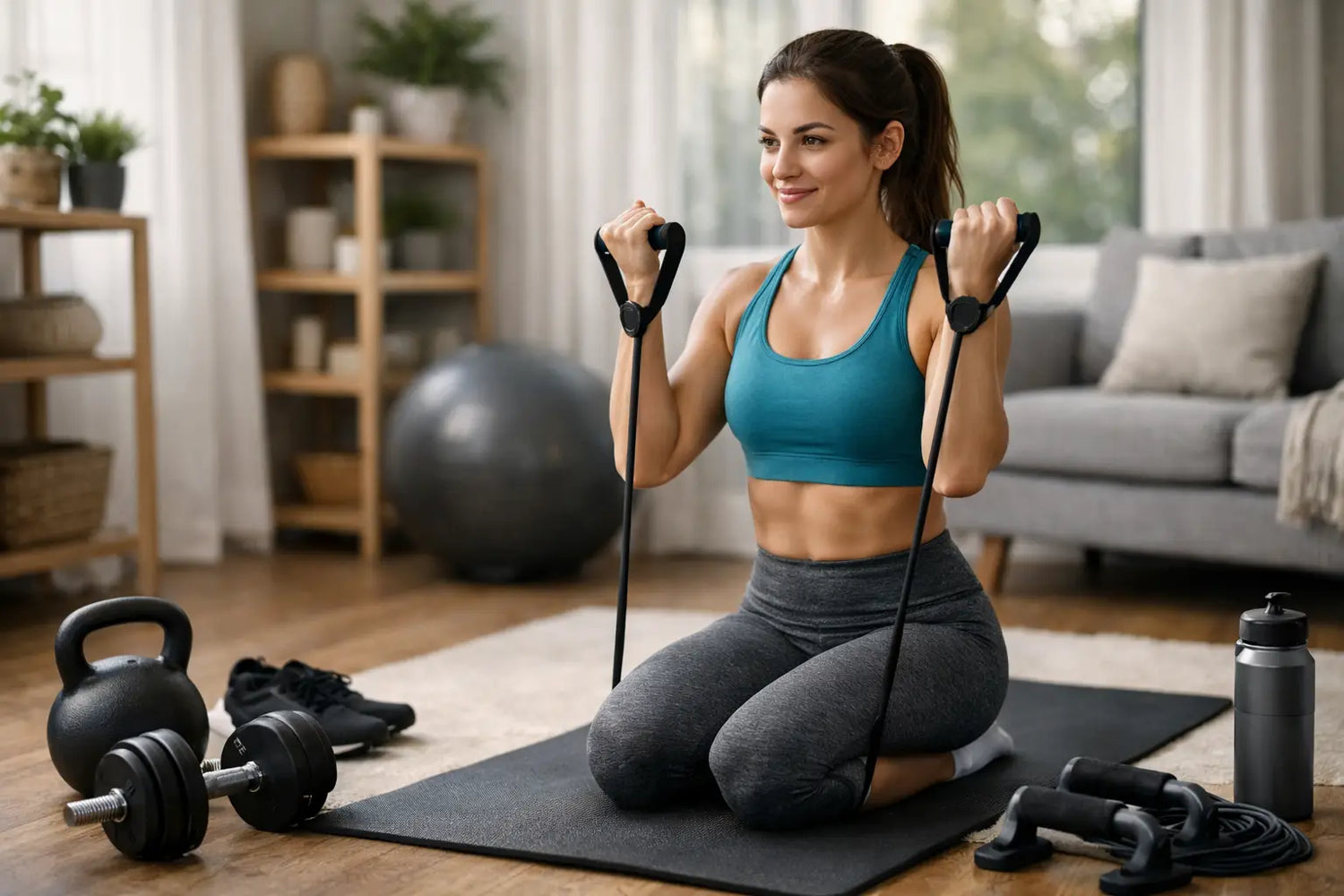
You do not need a garage gym, a shelf full of supplements, or a dramatic 5 a.m. personality shift to get stronger. A beginner guide to home resistance training should make the whole thing feel doable from day one - because it is. If you have a little floor space, a few basic tools, and a plan you can actually stick with, you can build strength, improve muscle tone, and make everyday movement feel easier.
That last part matters more than most people expect. Resistance training is not just about looking fitter in the mirror, although that can absolutely be part of the appeal. It also helps with posture, joint support, balance, energy, and the kind of strength that makes carrying groceries, climbing stairs, and getting through long workdays feel less annoying.
What beginner guide to home resistance training really means
At its core, resistance training is simple. You challenge your muscles against some form of resistance so they adapt and get stronger over time. At home, that resistance might come from your body weight, resistance bands, adjustable dumbbells, ankle weights, or even a loaded backpack if you are keeping things budget-friendly.
The big win with home training is convenience. No commute, no waiting for equipment, no wondering if everyone can tell you are new. The trade-off is that you need a little more self-direction. Without the structure of a gym, your progress depends on choosing a small number of movements, doing them consistently, and making them gradually harder.
That sounds less flashy than a miracle workout challenge, but it works better.
Start with the right setup, not the perfect setup
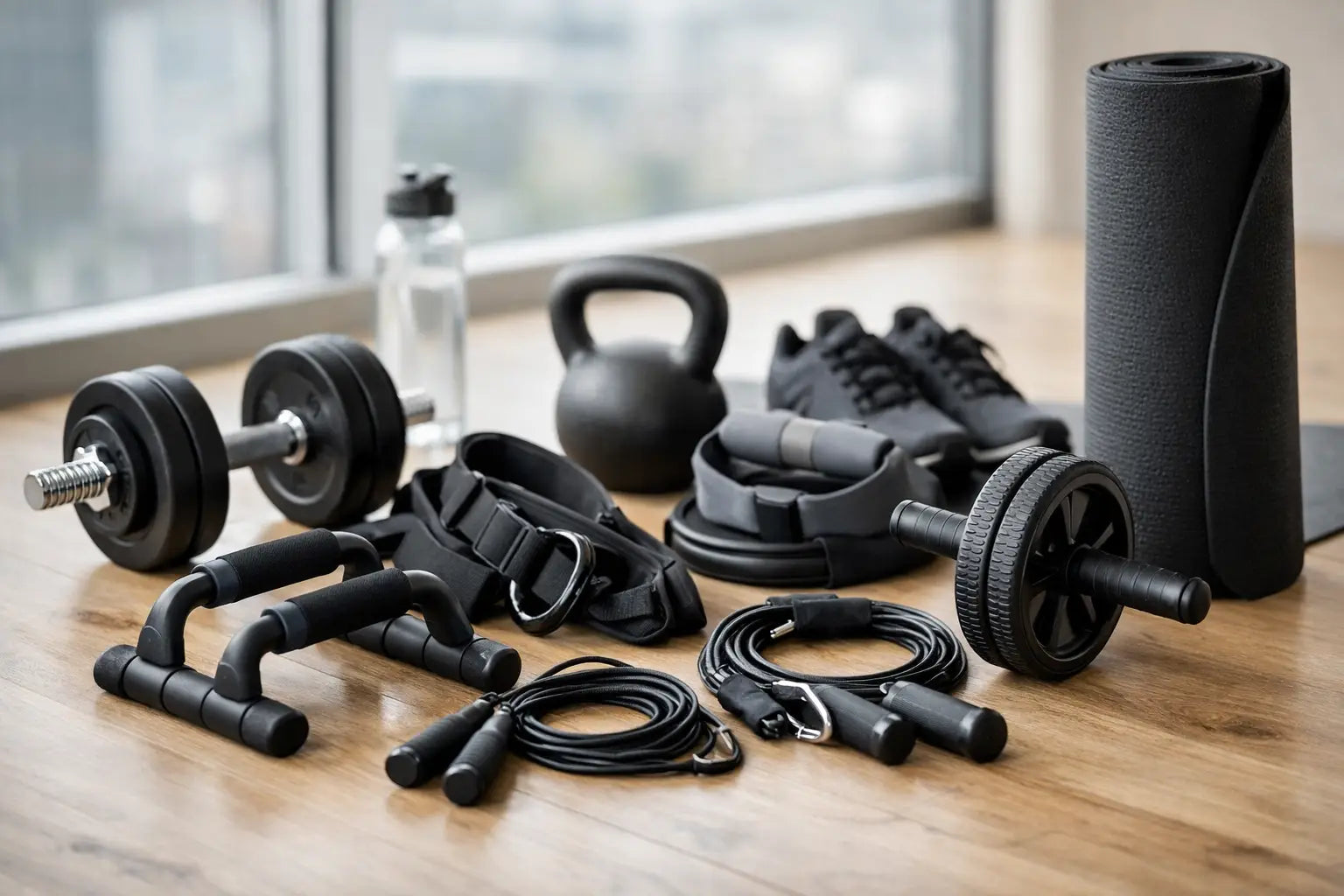
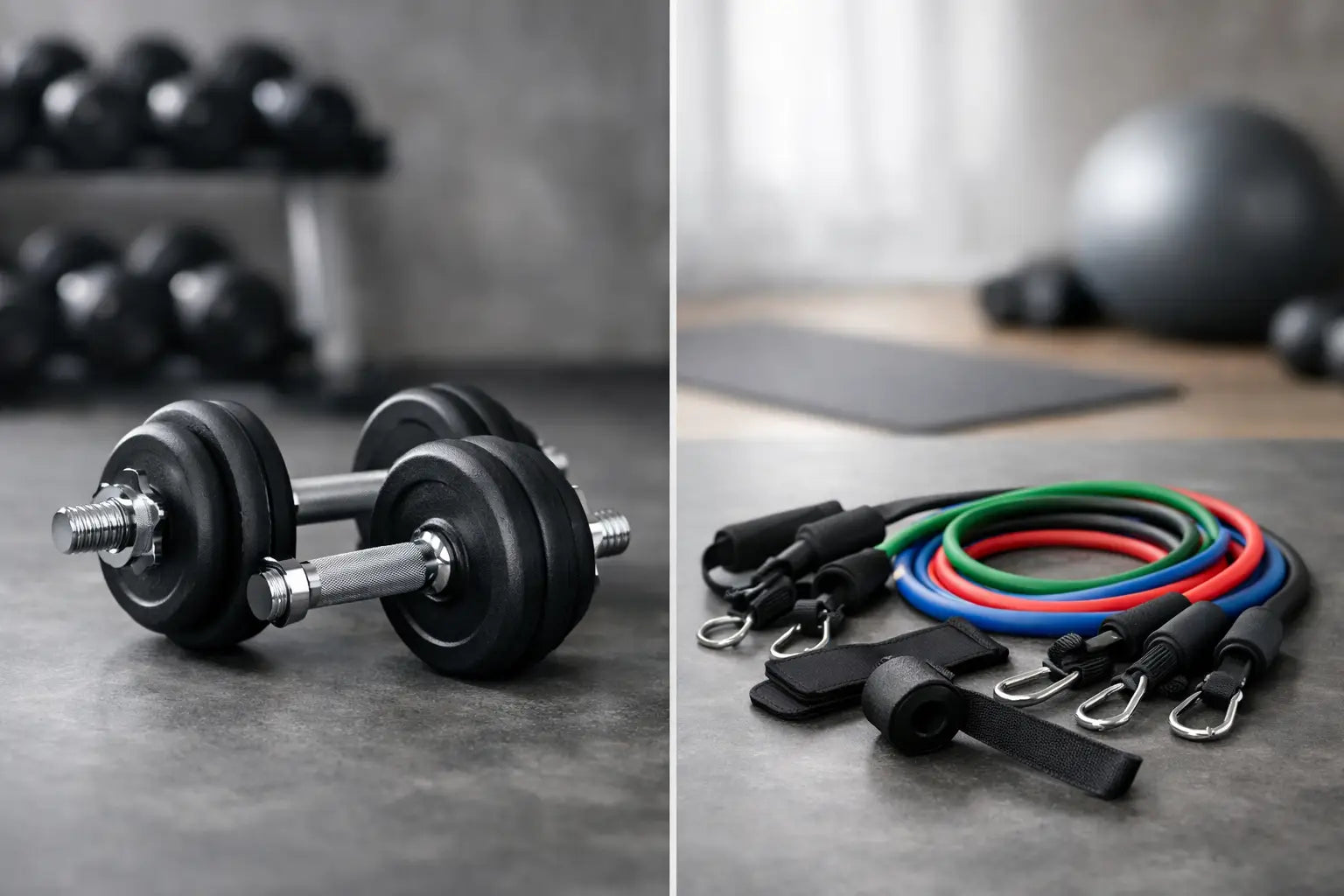
A lot of beginners stall out because they think they need a full home gym before they can begin. You really do not. For most people, the best starting point is a workout mat, a set of resistance bands, and one or two pairs of dumbbells if budget and space allow. That covers a surprising amount.
Bands are especially beginner-friendly because they are affordable, compact, and easier on the joints for many people. Dumbbells are great for building strength more progressively, especially once bodyweight movements start feeling too easy. If you only choose one, it depends on your goal. Bands are a strong pick for convenience and versatility, while dumbbells tend to feel more straightforward for classic strength work.
Your environment matters too. Choose a spot where you can move without bumping into furniture every five seconds. Good lighting, enough floor space, and keeping your gear visible all make it easier to follow through. Out of sight usually turns into out of mind fast.
The best beginner exercises to build around
You do not need dozens of exercises. You need a handful that train the major movement patterns. Think squat, hinge, push, pull, and core stability. That is the foundation.
For lower body, squats and glute bridges are excellent starting points. Squats train your legs and core together, while glute bridges help you learn how to use your hips properly. If squats bother your knees, a box squat to a chair can be a much better starting option.
For upper body pushing strength, incline push-ups are one of the smartest beginner moves. Using a couch, bench, or sturdy countertop makes the exercise more manageable while still teaching solid form. If you have dumbbells, a floor press is another good option.
For pulling strength, rows matter. This is one reason bands or dumbbells are so useful at home. Bent-over rows, seated band rows, or one-arm dumbbell rows help balance out all the screen-time posture most of us are working with.
For core work, skip endless crunches. Focus on movements that teach control, like dead bugs, bird dogs, and planks. A strong core is less about burning your abs into oblivion and more about stabilizing your body during everything else.
If that sounds basic, good. Basic is where progress starts.
How many workouts you actually need
Most beginners do well with two to four resistance sessions per week. Three is often the sweet spot. It is enough frequency to improve without turning your schedule into a puzzle.
A full-body routine usually makes the most sense at first. That means each workout includes a lower-body move, an upper-body push, an upper-body pull, and a core exercise. This gives you more practice with each movement and keeps your training efficient.
A sample week could look like Monday, Wednesday, and Friday, with rest or light walking on the other days. You do not need marathon sessions either. Thirty to forty-five minutes is plenty when the workout is focused.
The mistake many beginners make is doing too much too soon because motivation is high. Then soreness hits, life gets busy, and the routine disappears. Leave a little in the tank. The goal is to finish a workout feeling like you could come back and do it again in two days.
A simple home resistance plan for beginners
Beginner guide to home resistance training: your first routine
Start each workout with five minutes of easy movement. March in place, do arm circles, bodyweight squats, hip hinges, and a few shoulder rolls. You are not trying to turn warm-up into cardio class. You are just getting ready to move.
Then do the following routine for 2 to 3 sets each. Aim for 8 to 12 controlled reps per exercise unless noted otherwise.
Squat to chair or goblet squat
Glute bridge
Incline push-up or dumbbell floor press
Band row or one-arm dumbbell row
Dead bug or plank for 20 to 30 seconds
Rest about 45 to 90 seconds between sets, depending on how hard the movement feels. If you finish all your reps with great form and it feels too easy, increase resistance a little or add a few reps next time. That is progressive overload in real life. Less glamorous name, very effective result.
Stick with the same routine for at least four to six weeks before changing everything. New exercises are fun, but repeating key movements is what helps you get stronger and more confident.
Form matters, but perfection is not the goal
Good form helps you train the right muscles and reduce unnecessary strain. But a lot of beginners overthink this part and freeze. Your squat does not need to look like a fitness ad on day one.
A better target is controlled, pain-free movement. Move through the range you can manage, keep your tempo steady, and stop a set when your technique starts falling apart. Mild muscle fatigue is normal. Sharp pain in joints is not.
If one version of an exercise feels bad, swap it. There is almost always another option. Push-ups can become wall push-ups. Squats can become sit-to-stands. Rows can switch from dumbbells to bands. Smart adjustments are part of training, not cheating.
How to know you are making progress
Progress at home is not just about the scale. In fact, the scale can be a little dramatic for no reason. Better signs include doing more reps with the same weight, using a stronger band, feeling more stable, recovering faster, and noticing everyday tasks feel easier.
You might also see visual changes, but they usually show up after consistency has been in place for a while. Strength tends to arrive before obvious aesthetics, which is annoying if you are impatient, but still a pretty great deal.
Keep a simple log. Write down the date, exercises, weights or band levels, reps, and a quick note on how it felt. This removes a lot of guesswork and gives you proof that you are moving forward, even when motivation is low.
Common beginner mistakes that slow things down
The biggest one is inconsistency. The best routine is the one you will actually do next week, not the one that looks impressive for three days.
Another common issue is choosing resistance that is far too light forever. Yes, you want control and confidence first. But at some point the workout should feel challenging. If you can breeze through every set while thinking about your grocery list, your muscles are not getting much reason to adapt.
There is also the opposite problem - going too heavy too fast. That usually leads to sloppy reps or soreness intense enough to make your couch your primary training partner for the next four days.
And then there is the all-or-nothing mindset. Missed one workout? Fine. Do the next one. A realistic routine beats a perfect one every time.
When home resistance training works best
Home workouts are ideal if you value flexibility, privacy, and speed. They are especially useful for busy schedules, smaller budgets, and anyone who feels more likely to stay consistent when the barrier to starting is low.
That said, it depends on your personality. Some people thrive with home training because it is efficient and private. Others need the energy and structure of a gym to stay engaged. If you are the second type, home training can still work well as a backup plan or a way to build confidence before joining a gym later.
If you are putting together your setup, keep it simple and useful. A few well-chosen training essentials will take you further than a pile of random gear bought in a motivation-fueled shopping sprint. Timo Market-style convenience only helps if the equipment fits your space and your routine.
Strength training at home does not need to be complicated to be effective. Start small, repeat the basics, and let your progress build quietly in the background. A month from now, the workout that feels awkward today can feel like part of your normal routine - and that is usually when things start getting really good.


Commenta
Questo sito è protetto da hCaptcha e applica le Norme sulla privacy e i Termini di servizio di hCaptcha.