
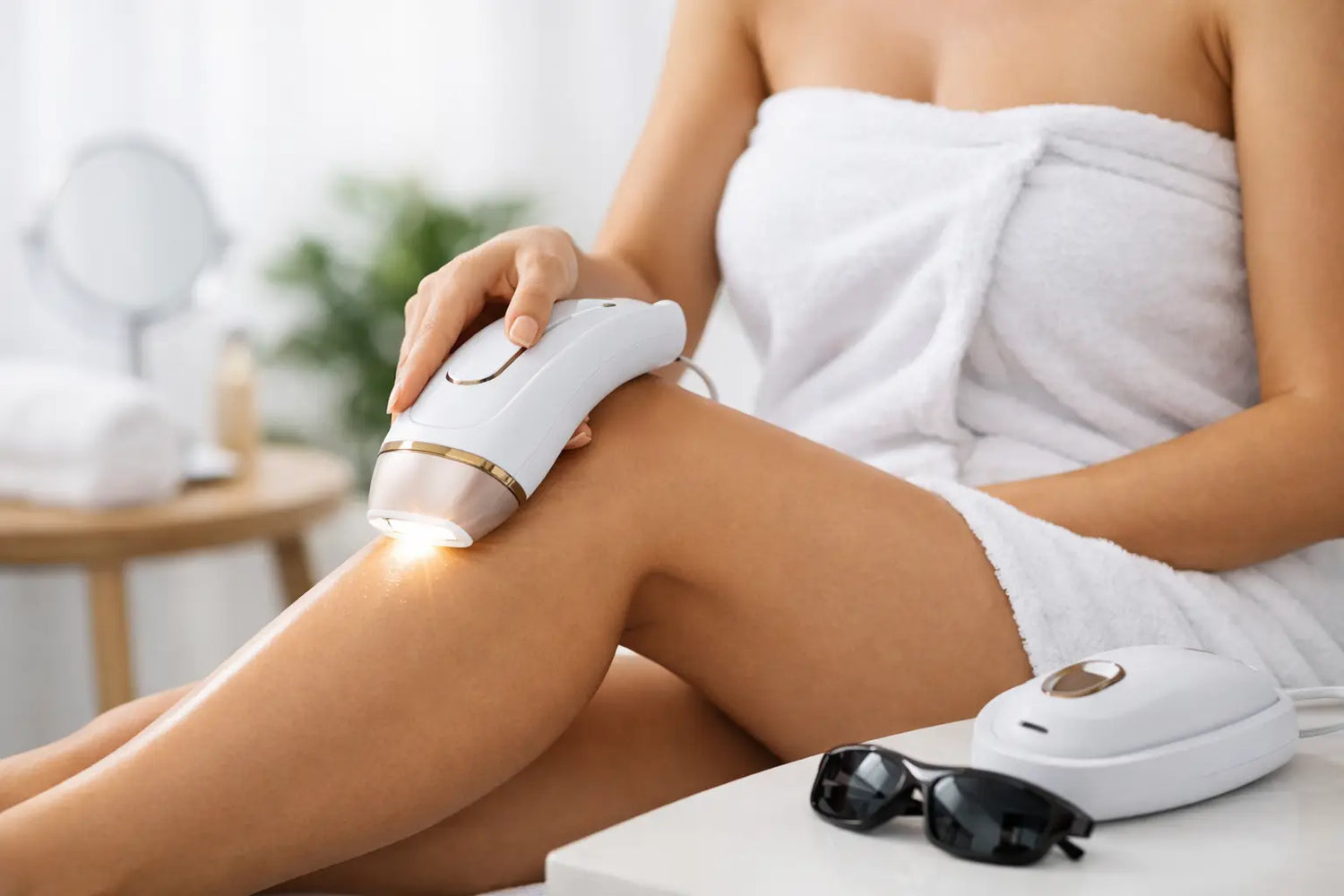
Shaving in the morning and feeling stubble by the next day is a pretty annoying cycle. If you’ve been eyeing at-home beauty gadgets and wondering whether one of them can actually cut down on constant upkeep, you’re probably asking: what is an IPL epilator, exactly?
The short version is this: an IPL epilator is a light-based hair reduction device designed to target hair at the root over time. It uses flashes of broad-spectrum light to heat the pigment in the hair follicle, which can slow future growth. That means less frequent shaving, smoother skin for longer stretches, and a routine that feels a lot more low-maintenance once you stick with it.
What is an IPL epilator?
An IPL epilator is an at-home device that uses Intense Pulsed Light, or IPL, to reduce hair regrowth. Despite the word epilator, it doesn’t work like a traditional epilator that mechanically pulls hair out. Instead, it sends pulses of light into the skin, where the pigment in the hair absorbs that energy.
That heat then affects the follicle and helps interrupt the hair growth cycle. Over multiple sessions, many users notice hair growing back slower, finer, and in some cases much less noticeably. It’s less of a one-and-done tool and more of a consistency game.
This is why IPL appeals to people who want a beauty upgrade that saves time later. It’s not instant magic, but it can be one of those surprisingly practical products that earns a permanent spot in your routine.
How an IPL epilator works
Hair grows in cycles, and IPL is most effective when hair is in its active growth phase. Since not every hair is in that phase at the same time, you need repeated treatments to catch more follicles at the right stage.
The device flashes light onto the treatment area after you shave the skin. Shaving matters because IPL works best when the hair root is still under the skin but there isn’t much hair above the surface blocking the light. The pigment in the follicle absorbs the light, turns it into heat, and that heat weakens the follicle’s ability to keep producing hair as usual.
The result is gradual. You usually won’t use it once and suddenly retire your razor forever. Most people need a series of weekly or biweekly sessions at first, followed by occasional maintenance treatments.
IPL vs a traditional epilator
This is where a lot of shoppers get tripped up. A classic epilator removes hair by grabbing and pulling it out. It gives immediate results, but yes, it can sting.
IPL is different. It doesn’t pull hair out on the spot. It aims to reduce how much hair grows back over time. So if you want instant smoothness for tonight, IPL is not that girl. If you want fewer shaving sessions over the next few months, that’s where it starts to make sense.
IPL vs laser hair removal
IPL and laser hair removal get compared constantly because they’re both light-based. The big difference is precision. Laser devices typically use a single wavelength of light, while IPL uses a broader spectrum.
In a clinic, laser treatments can be stronger and more targeted. At home, IPL devices are popular because they’re more accessible, more budget-friendly over time, and easier to use on your own schedule. The trade-off is that results can take longer and may be less dramatic than professional treatment, depending on the device and your hair and skin type.
Who an IPL epilator works best for
IPL works best when there’s a clear contrast between skin tone and hair color. Dark hair tends to respond best because it contains more pigment to absorb the light. People with light skin and dark brown or black hair often see the strongest results.
It tends to be less effective on blonde, red, gray, or white hair because there’s less pigment for the light to target. It may also be unsuitable for some deeper skin tones, depending on the device, because the light can interact with pigment in the skin as well as the hair. Newer devices often include skin tone sensors and multiple intensity levels, which helps, but compatibility still matters.
This is the part nobody should skip. Before buying, check the brand’s skin tone and hair color chart. It’s not boring fine print. It’s the difference between buying a genuinely useful tool and buying an expensive bathroom decoration.
What results should you expect?
The honest answer is: it depends. Your hair color, skin tone, consistency, hormone levels, and the area you’re treating all affect the outcome.
Some people notice patches of slower regrowth within a few weeks. Others need more time before the difference becomes obvious. Areas like the legs and underarms often respond well, while hormonally influenced areas, such as the face, can be more unpredictable and may need more maintenance.
You should think of IPL as hair reduction, not guaranteed permanent removal. That distinction matters. For many users, the win is not never seeing hair again. The win is shaving less often, dealing with softer regrowth, and getting smoother skin with less daily effort.
Is using an IPL epilator painful?
Most people describe it as a quick warm snap, like a tiny rubber band flick mixed with heat. That sounds dramatic, but many at-home devices are designed to keep the sensation manageable. It’s usually far less intense than waxing, though comfort levels vary by body area and by your personal pain tolerance.
The bikini line may feel spicier than your legs. Underarms can be a little sensitive too. Starting on a lower setting and working up, if the device instructions allow it, is usually the smart move.
If you want convenience without the ouch factor of ripping hair out, IPL can feel like a pretty appealing middle ground.
How to use an IPL epilator safely
Using the device correctly matters just as much as buying the right one. First, shave the area. Don’t wax or tweeze beforehand because the follicle needs to be there for the light to target.
Next, make sure your skin is clean and dry. Place the device flat against the skin and follow the flashing pattern recommended in the instructions. Some devices are made for stamping one section at a time, while others glide across larger areas.
Eye safety matters too. Many at-home IPL devices have built-in safety features that prevent flashes unless the device is in full contact with the skin, but you still want to avoid flashing near the eyes unless the device is specifically designed for facial use in that area.
You should also avoid using IPL over tattoos, very dark spots, open wounds, or irritated skin. Sunburned skin is a no-go. And if you’ve been tanning, using self-tanner, or taking medications that increase light sensitivity, pause and read the safety guidance first.
Is an IPL epilator worth buying?
If you hate the constant repeat of shaving and want a more long-term at-home option, it can absolutely be worth it. The biggest appeal is convenience. You get to treat areas on your own time, in your own space, without booking appointments or paying for each session separately.
The upfront cost can feel higher than a pack of razors, sure. But if you actually use it consistently, the value can make sense over time. It’s one of those products that fits perfectly into the category of small lifestyle upgrades that can make everyday routines feel easier.
That said, it’s not a smart buy for everyone. If your hair color and skin tone aren’t a good match for IPL, or if you know you won’t keep up with a treatment schedule, you may not get the payoff you want. This is very much a results-meet-routine product.
What to look for before you buy
Not all IPL devices are created equal. Some are built for quick treatments on larger body areas, while others are better for smaller zones like the upper lip or underarms. Flash count, intensity levels, skin tone sensors, corded versus cordless design, and treatment window size can all change the user experience.
Ease of use matters more than people think. If a device feels confusing, bulky, or slow, it’s easier to abandon it after three sessions and let it collect dust next to that fitness gadget you swore you’d use every day.
A good IPL device should feel approachable, safe, and realistic for your actual routine. If it saves time without becoming another chore, that’s the sweet spot.
What is an IPL epilator really good for?
At its best, an IPL epilator is good for turning high-maintenance hair removal into something a lot more chill. It’s not the perfect tool for every skin tone, every hair color, or every expectation. But for the right user, it can reduce regrowth, stretch out the time between shaves, and make smooth skin feel less like a full-time job.
If you love finding products that make daily life easier, this is the kind of beauty tech worth a closer look. Timo Market is all about practical upgrades that feel exciting and useful, and IPL definitely lands in that lane when it fits your needs.
If you’re curious, start with your skin and hair compatibility, be realistic about the timeline, and think of it as a convenience buy that pays off with consistency. The best beauty tools aren’t always the flashiest. Sometimes they’re the ones that quietly save you time every single week.



Laisser un commentaire
Ce site est protégé par hCaptcha, et la Politique de confidentialité et les Conditions de service de hCaptcha s’appliquent.