
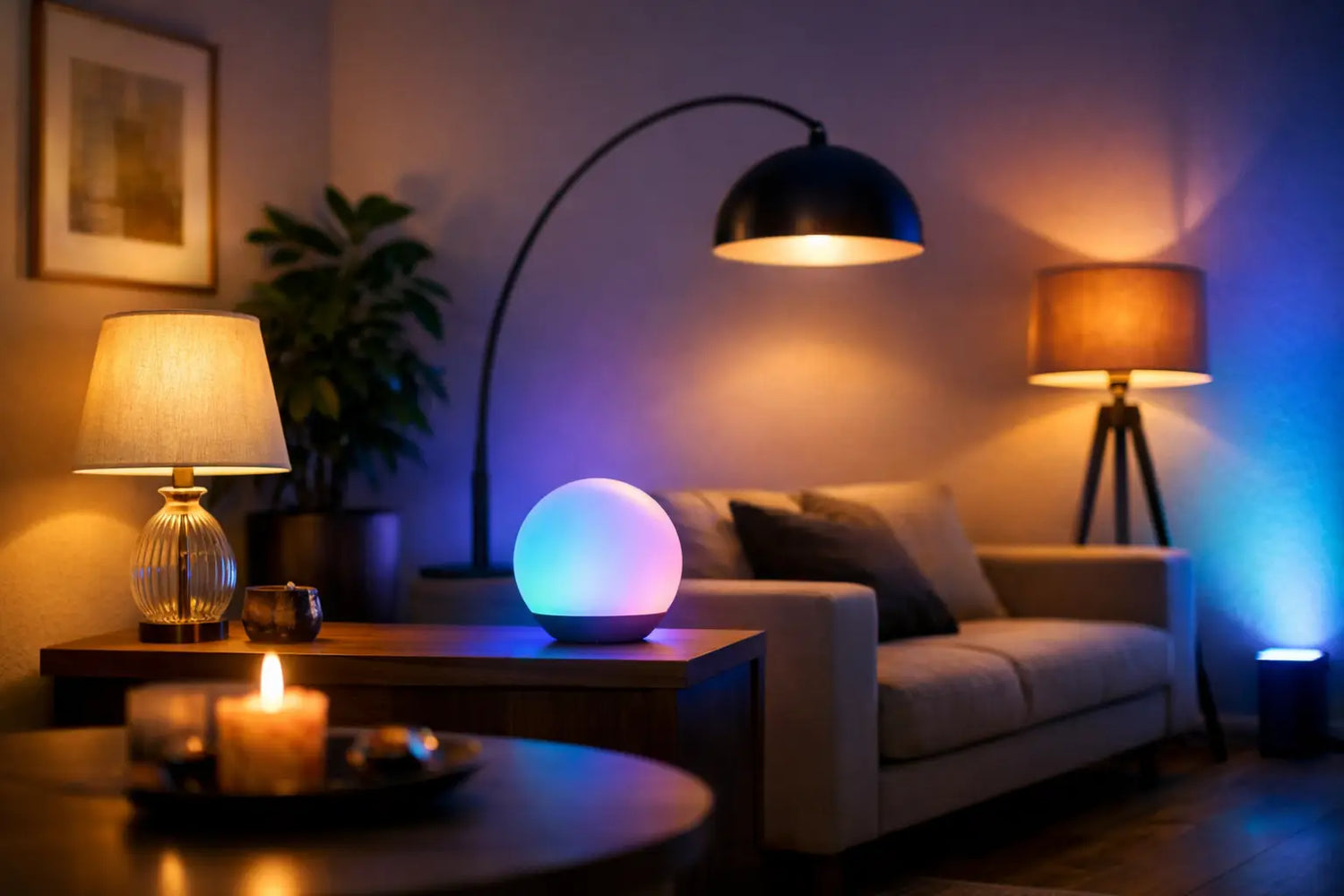
One bad overhead light can ruin a perfectly good room. You know the type - too bright, too flat, and somehow making everything look less cozy than it actually is. That is why lamps and mood lighting matter more than most people think. The right setup can make a bedroom feel calmer, a desk feel sharper, and a gaming corner feel like your favorite place to be after a long day.
Good lighting is not just about seeing better. It changes how a space feels, how photos look, and even how often you want to spend time there. If your room feels unfinished, cold, or a little boring, lighting is often the fastest fix. A new lamp can do more for the vibe than a full shelf of decor that just sits there looking expensive.
Why lamps and mood lighting work so well
The easiest way to change a room without changing the room is to change the light. Harsh ceiling lights tend to spread brightness everywhere, which sounds useful until everything feels flat and clinical. Lamps create zones instead. They give a room depth, contrast, and a sense that somebody actually thought about the setup.
Mood lighting also makes spaces more flexible. A bright desk lamp helps when you are working, studying, or doing anything that requires focus. A softer ambient lamp is better when you are watching a show, scrolling in bed, or trying to wind down without feeling like you are sitting in a dentist office.
That flexibility is a big reason lighting has become such a popular home upgrade. It is practical, visual, and immediate. You plug it in, turn it on, and the room changes right away. No paint samples. No furniture assembly that somehow takes four hours and a mild emotional breakdown.
Choosing lamps and mood lighting for different spaces
Not every room needs the same kind of glow, and that is where people often get it wrong. They buy one cool-looking lamp, put it anywhere, and hope for magic. Sometimes that works. Usually, the best result comes from matching the light to the way you actually use the space.
Bedroom setups
Bedrooms usually benefit from warmer, softer light. This is where table lamps, bedside lamps, and small ambient lights really shine. You want enough brightness to read, relax, or find your charger without turning the whole room into a stadium.
Warm tones tend to feel calmer at night, while cooler white light can feel too alerting for a sleep space. If your goal is cozy, go softer. If your bedroom also doubles as a workspace, it helps to layer lighting so you are not stuck with one mood for everything.
Desk and study areas
A desk lamp should make tasks easier, not just look good in setup photos. Focused lighting helps reduce eye strain and makes it easier to stay locked in when you are working or studying. Adjustable lamps are especially useful here because you can direct light exactly where you need it.
That said, a workspace does not have to feel sterile. Adding a second, softer light nearby can balance the functional brightness of a task lamp and make the area feel more inviting. This matters if your desk is in your bedroom or living room, where one harsh beam can throw off the whole atmosphere.
Gaming corners and entertainment spaces
This is where mood lighting gets fun fast. Ambient lamps and color-changing lights can make a gaming setup feel more immersive, more personal, and honestly just cooler. The goal is not to blast your room with every color at once like a nightclub trying too hard. The goal is to create depth and highlight the parts of your space you want to show off.
Blue, purple, and red tones are popular for gaming, but it depends on your setup and your taste. Some people want dramatic contrast. Others want a softer backlight that reduces glare and makes long sessions easier on the eyes. The trade-off is simple - more color can look more exciting, but too much can feel busy.
Living rooms and shared spaces
In living rooms, lamps help break up a large space and make it feel more lived in. Floor lamps are great for corners that feel empty. Table lamps help anchor side tables and shelves. A combination of light heights usually looks better than relying on one source alone.
If your living room is where everything happens - movie nights, casual work, guests, snacks, and maybe some low-stakes online shopping - layered lighting gives you options. Bright when you need it, softer when you do not.
What actually makes lighting feel expensive
It is not always the price tag. A room feels elevated when the lighting looks intentional. That usually comes down to placement, warmth, and balance.
First, avoid putting all your light in one spot. A single lamp in the wrong corner can leave the rest of the room looking dull. Spreading light across two or three areas creates a better flow. Second, think about bulb temperature. Warm white usually feels more relaxed and flattering in homes. Cool white has its place, especially for task lighting, but it can make cozy spaces feel less inviting.
Third, pay attention to what the lamp looks like even when it is off. Shape, finish, and size matter. A lamp is both decor and function, which is part of why it is such a smart upgrade. It earns its spot.
Common mistakes with mood lighting
The biggest mistake is going too bright. Mood lighting is supposed to shape the atmosphere, not erase it. If the light floods every inch of the room, it stops feeling ambient and starts feeling accidental.
Another mistake is choosing style over use. Yes, a lamp should look good. But if it does not light the area you need, or if the color tone feels wrong every time you turn it on, the novelty wears off quickly. A cool design only goes so far if the room still feels off.
There is also the issue of overdoing trends. Color-changing lights, sculptural lamps, and futuristic designs can all look amazing, but only if they fit the space. What looks great in a social video might feel a little chaotic in your actual bedroom. It depends on how much visual energy you want around you every day.
How to build a better setup without overthinking it
A simple approach usually works best. Start with one main lamp for function, then add one secondary light for atmosphere. That could mean a desk lamp plus a small ambient light, or a bedside lamp plus a corner floor lamp. Once you have those basics, you can decide whether the room needs more drama, more softness, or just a better balance.
If your space feels cold, add warmth. If it feels flat, add a second light source at a different height. If it feels cluttered, choose fewer lights with more impact. You do not need ten products to make one room look better. You just need the right ones.
This is also why lamps make such a satisfying upgrade. They are relatively easy to swap, easy to style, and they make a visible difference fast. For shoppers who want a room refresh without a full redesign, they hit that sweet spot between useful and fun.
Lamps and mood lighting are part of personal style now
Lighting used to be an afterthought. Now it is part of how people build a space that feels like theirs. The rise of cozy bedrooms, clean desk setups, gaming rooms, and content-friendly interiors has made lighting a real style choice, not just a practical one.
That is a big reason trend-forward shoppers keep coming back to it. A lamp can change the energy of a room, but it also says something about your taste. Minimal, playful, futuristic, soft, colorful, sleek - lighting can push a space in any of those directions.
At Timo Market, that kind of upgrade makes sense because it is exactly the sort of change people want right now: affordable, noticeable, and easy to enjoy immediately. No waiting for a total room makeover. Just better light, better mood, and a space that feels more like you.
If your room has been feeling a little off lately, do not start by replacing everything. Start with the light. Sometimes the smartest upgrade is the one that makes the whole space finally click.





Laisser un commentaire
Ce site est protégé par hCaptcha, et la Politique de confidentialité et les Conditions de service de hCaptcha s’appliquent.