
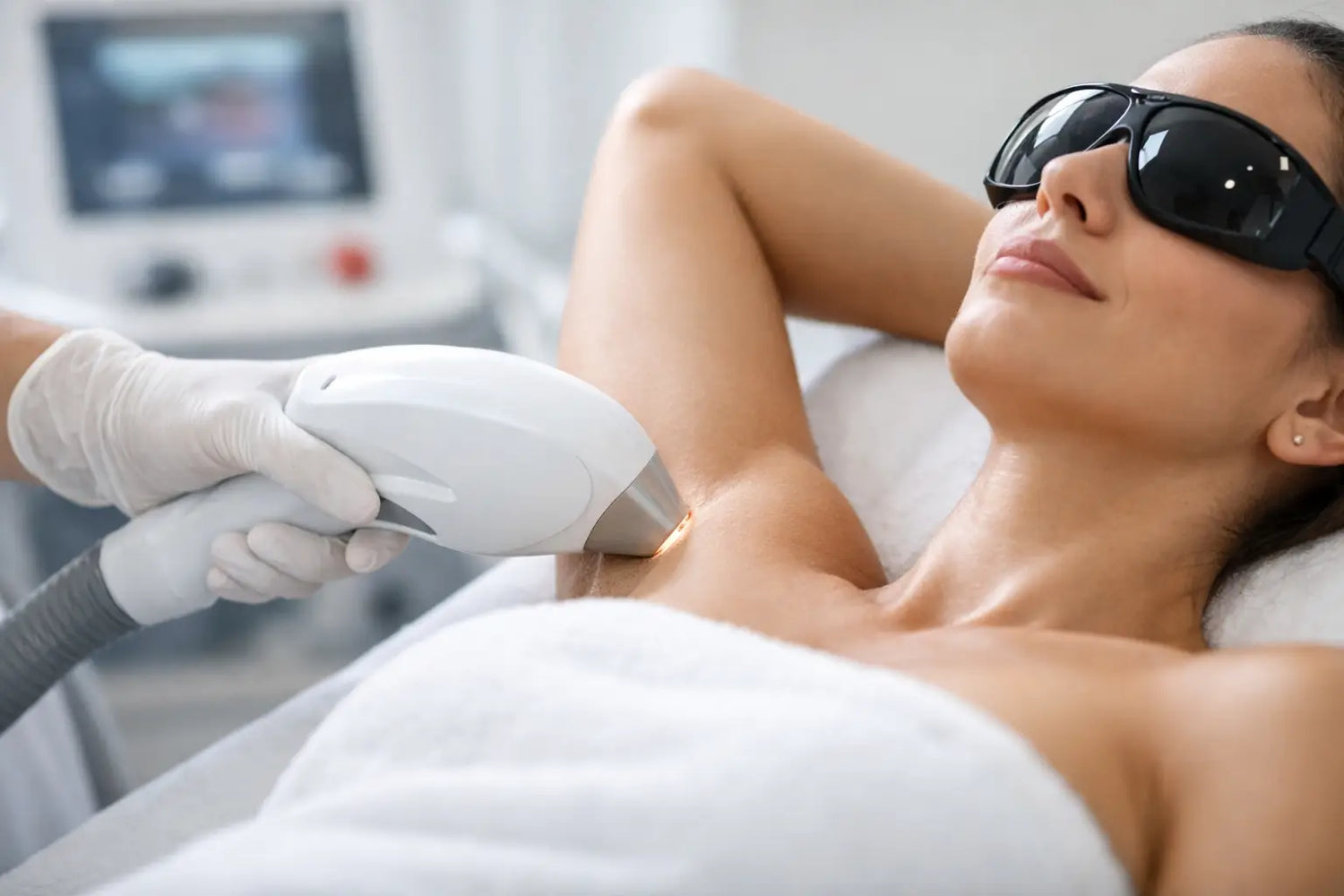
Laser hair removal can sound like the dream upgrade: less shaving, fewer razor bumps, and more time for literally anything else. But is laser hair removal safe? For most people, it can be safe when it is done with the right device, the right settings, and a qualified professional who knows how to work with your skin and hair type. It is not a zero-risk shortcut, though, and that distinction matters.
This treatment uses concentrated light to heat pigment in the hair follicle. The goal is to damage the follicle enough to slow future growth without damaging the surrounding skin. That sounds simple on paper. In real life, safety depends heavily on the technology, the provider’s training, your skin tone, your hair color, recent sun exposure, medications, and how carefully you follow aftercare instructions.
Is Laser Hair Removal Safe for Most People?
Generally, yes. Laser hair removal has been used for decades and is widely considered safe when performed properly. Temporary redness, warmth, and mild swelling around hair follicles are common. Think of it as skin that is mildly annoyed after a workout, not necessarily skin in trouble. These effects often settle within a few hours to a couple of days.
More serious complications are less common, but they can happen. Burns, blisters, scarring, and changes in skin color are possible, especially if the laser settings are wrong, the skin is tanned, or the operator is inexperienced. That is why a bargain that seems too good to be true deserves a closer look. Your skin is not the place to gamble on mystery equipment and guesswork.
Laser hair removal is also better described as long-term hair reduction rather than permanent hair removal. Many people see a major reduction in growth after a series of treatments, but maintenance sessions may be needed. Hormonal changes, including pregnancy or conditions that affect hormones, can bring some hair growth back.
Why Skin Tone and Hair Color Matter
The laser targets melanin, the pigment that gives hair and skin their color. Dark, coarse hair against lighter skin has traditionally been the easiest combination to treat because the device can identify the hair pigment more clearly.
That does not mean people with deeper skin tones cannot get laser hair removal safely. They absolutely can, but the device selection and settings are more important. A provider experienced with darker skin tones may use a longer-wavelength laser, such as an Nd:YAG laser, which is designed to reduce the chance of heating the surrounding skin too aggressively. This is a question worth asking directly during a consultation, not after a treatment has already started.
Blond, gray, red, and very fine hair can be harder to treat because there is less pigment for the laser to target. Lower effectiveness does not automatically make treatment unsafe, but it can make it a less satisfying purchase. If someone promises guaranteed permanent results for every hair color and skin tone, that is your cue to pause.
The Real Risks to Know Before Booking
Most side effects are manageable and temporary, but informed decisions are always more confident decisions. Redness, tenderness, itching, and small bumps are typical in the first day or two. Cooling gel, a cooling device, and simple aftercare can make the process more comfortable.
The risks that deserve more attention include burns and blisters, especially after sun exposure; hyperpigmentation, where skin becomes darker; and hypopigmentation, where it becomes lighter. Color changes may fade, but sometimes they can last. There is also a small risk of infection if blisters or irritated skin are not cared for properly.
Paradoxical hypertrichosis is another uncommon but real possibility. This means hair growth may increase or become thicker around the treated area. It is seen more often on the face and neck and can occur in people with certain skin and hair characteristics. A trustworthy provider should be willing to discuss it, even if it is unlikely.
Eye safety is non-negotiable. Laser light can injure the eyes, so everyone in the treatment room should wear appropriate protective eyewear. No exceptions, no “it will only take a second.”
Who Should Wait or Get Medical Advice First?
A consultation is more than a sales step. It is where a provider should review your health history, treatment goals, skin type, medications, and any past reactions to cosmetic treatments. Be especially open about prescription and over-the-counter products. Some can make skin more sensitive to light or affect healing.
You may need to delay treatment or speak with a dermatologist or clinician first if you are pregnant, have an active skin infection, have a history of keloid scarring, are prone to cold sores when treating the face, or have a skin condition such as eczema or psoriasis in the treatment area. People using isotretinoin or photosensitizing medications also need individualized advice.
Avoid treating tattoos, moles that have not been evaluated, open cuts, or recently irritated skin. Laser hair removal is not meant to pass over tattoo ink, which can absorb energy and raise the risk of a burn or pigment change.
How to Make Laser Hair Removal Safer
The safest results begin before your first session. Choose a reputable medical spa, dermatology office, or clinic that can explain exactly what device it uses and who operates it. Rules vary by state, but you should still expect clear answers about training, supervision, and experience with your skin tone.
Before committing to a larger area, ask for a patch test. It lets the provider see how your skin responds to a small treatment area and adjust settings if needed. It is one extra step that can prevent a lot of regret.
In the weeks before treatment, protect the area from the sun and skip tanning beds. Tanned or sunburned skin has more pigment near the surface, which can increase the chance of a burn or color change. You will usually be asked to avoid waxing, tweezing, or threading for several weeks because the laser needs the hair root in place. Shaving is typically allowed, and often recommended, shortly before the appointment.
For a smoother, safer appointment, keep these four basics in mind:
- Arrive with clean skin free of lotion, deodorant, makeup, or self-tanner on the treatment area.
- Share every medication, supplement, skin product, and recent cosmetic procedure with your provider.
- Wear loose clothing if you are treating the body so freshly treated skin is not rubbing against tight fabric.
- Plan to avoid hot showers, saunas, intense workouts, and direct sun for at least the period your provider recommends.
At-Home Devices vs. Professional Treatments
At-home hair-removal devices can be tempting because they offer privacy and convenience from your own bathroom. Most use intense pulsed light, often called IPL, rather than the same type of laser used in a clinic. They can work for some users, particularly with a suitable skin-tone and hair-color combination, but results usually take more time and may be less dramatic.
Safety instructions matter even more at home because you are the operator. Use the device only on approved areas, follow its skin-tone guidance, and do not try to turn up the intensity just to speed-run the process. More power is not automatically more progress. It can simply mean more irritation.
Professional treatment costs more upfront, but a skilled provider can select settings based on your skin, assess reactions over time, and handle complications if they arise. The best choice depends on your budget, hair type, treatment area, and comfort level. Convenience is great. Expert oversight is great too.
Questions Worth Asking at Your Consultation
A good consultation should feel clear, not pressured. Ask what device will be used, why it suits your skin tone and hair type, how many sessions are realistically expected, and what side effects are most likely for you. Ask whether the provider has treated people with skin similar to yours and what they do if you have a burn or pigment change.
Also ask what the total cost includes. Some packages cover touch-ups, while others do not. A lower advertised price can look exciting until it leaves out consultations, follow-up care, or the number of sessions you actually need.
The safest laser hair removal plan is not the fastest or flashiest one. It is the one that starts with honest expectations, protects your skin before and after each session, and gives you room to ask every question. Smooth-skin goals are fun. Healthy skin is the real win.






Laisser un commentaire
Ce site est protégé par hCaptcha, et la Politique de confidentialité et les Conditions de service de hCaptcha s’appliquent.