
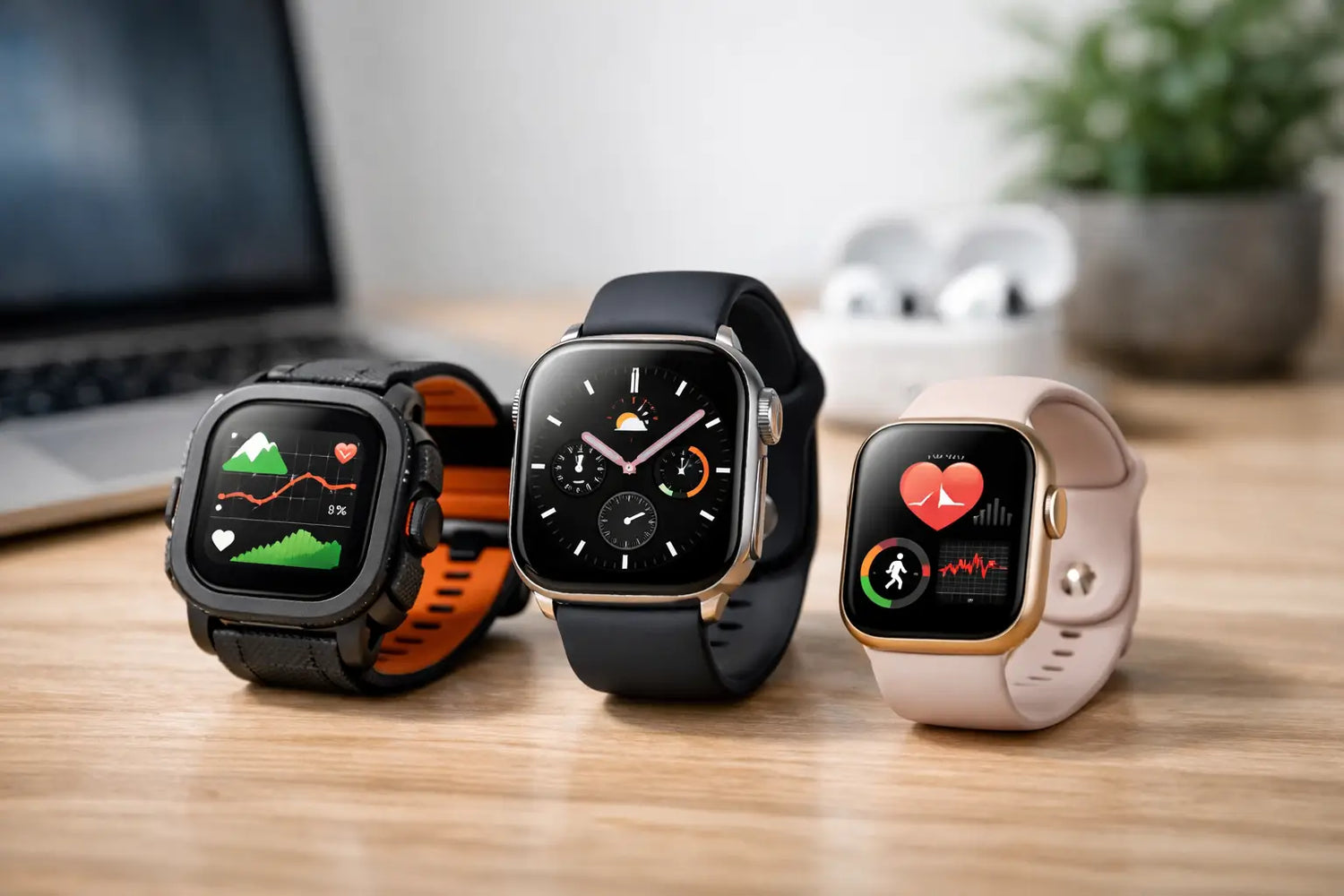
A smartwatch can be a daily win or an expensive wrist decoration. The difference usually comes down to one thing: buying the right watch for how you actually live. That’s why the ultimate smartwatch buying guide: how to choose the right one starts with your habits, not the hype.
If you mostly want quick notifications, almost any decent smartwatch can handle that. If you want serious fitness tracking, long battery life, or a polished look you can wear to work and dinner, your options narrow fast. The smartest buy is rarely the flashiest one.
The ultimate smartwatch buying guide: start with your phone
Before you compare displays, straps, and workout modes, check compatibility. This is the first filter, and it saves a lot of regret. Some smartwatches work best with iPhones, while others shine with Android.
If you use an iPhone, you’ll want a watch that plays nicely with Apple’s ecosystem. That usually means smoother notifications, better app syncing, and fewer random setup headaches. Android users generally get more variety, but the experience can still vary depending on the watch brand and your phone model.
This part is not glamorous, but it matters. A watch with amazing features is still the wrong choice if half of them don’t work with your phone.
Decide what you want the watch to do every day
A lot of people shop by feature lists. That sounds logical, but it often leads to overbuying. Instead, think about the two or three things you’ll actually use every day.
If you want a smartwatch mainly to stay connected, focus on call handling, text previews, app alerts, and voice assistant support. If fitness is the big reason, prioritize heart rate tracking, GPS, workout modes, sleep tracking, and water resistance. If style matters most, pay attention to case size, materials, watch faces, and band options.
This is where trade-offs show up. A sleek, fashion-forward smartwatch may not have the best battery life. A fitness-heavy model may look more sporty than dressy. A budget-friendly watch might cover the basics really well but skip advanced health features.
That’s normal. The goal is not finding a watch that does everything. It’s finding one that nails the stuff you care about.
For fitness and health tracking
If workouts, step counts, and recovery stats are high on your list, accuracy matters more than a giant menu of features. Look for built-in GPS if you run, bike, or walk outdoors and don’t want to carry your phone. Look for automatic workout detection if you know you’ll forget to start tracking manually.
Sleep tracking can be genuinely useful, but only if the watch is comfortable enough to wear overnight. That means weight and battery life matter more than shoppers expect. Blood oxygen readings, stress monitoring, and ECG features can be appealing too, but they’re not equally important for everyone. Some people love the extra data. Others check it once, say “cool,” and never open that tab again.
For convenience and everyday use
If your smartwatch is meant to make life easier, pay attention to the basics: how clearly it shows notifications, how easy it is to answer calls, and whether the screen is readable in bright daylight. A beautiful screen is great. A beautiful screen you can’t see outdoors is less exciting.
Mobile payments can also be a huge quality-of-life upgrade if you like leaving the house with fewer things in your pockets. Music controls, calendar reminders, timers, and voice commands are similarly small features that end up getting used all the time.
For style and gifting
Some people want a smartwatch that looks like a mini phone on the wrist. Others want something cleaner and more like a traditional watch. Neither is better. It depends on your style and where you plan to wear it.
Case size matters here. Larger watches can be easier to read, but they can feel bulky on smaller wrists. Smaller watches are lighter and often more comfortable, but the display may feel cramped if you use lots of apps. If you’re buying as a gift, lean toward a versatile design with interchangeable bands. It gives the watch more ways to fit someone’s look.
Battery life is a bigger deal than most shoppers think
Battery life sounds boring right up until you’re charging your watch every night and still forgetting to wear it. This is one of the biggest differences between smartwatch types.
Some watches offer bright, app-rich experiences and need frequent charging. Others keep things simpler and can last several days, sometimes longer. If you love sleep tracking, daily workouts, and always-on display mode, you’ll burn through battery faster. GPS use also drains power quickly.
So ask yourself a practical question: are you fine charging one more device often, or do you want something more low-maintenance? There’s no wrong answer. Just don’t pretend you’re okay with daily charging if you already ignore your tablet charger half the time.
Don’t get distracted by features you’ll never use
This is where smartwatch shopping gets sneaky. The marketing is strong. The animations are shiny. Suddenly you’re comparing underwater depth tracking and niche sports analytics when your real goal was seeing texts without pulling out your phone in the grocery line.
The ultimate smartwatch buying guide: how to choose the right one is really about cutting through feature overload. Most buyers are happiest when they focus on everyday usefulness, comfort, and value instead of chasing the longest spec sheet.
LTE support is a good example. A watch with cellular can be amazing if you want to take calls or stream music without your phone nearby. But if your phone is always with you, paying more for LTE and a monthly plan may not make sense. The same goes for ultra-premium materials. Titanium and sapphire sound impressive, but many shoppers would get more value from a solid mid-range watch with better battery life and the features they’ll actually touch.
Comfort matters more than you think
A smartwatch lives on your wrist for hours at a time. If it feels annoying, it won’t matter how advanced it is.
Weight, thickness, strap material, and fit all affect comfort. Silicone bands are great for workouts and everyday wear, but not everyone loves the feel. Metal bands look polished but can add weight. Fabric bands are often comfortable for sleep and all-day wear, though they may be less ideal for sweaty training sessions.
This also affects sensor accuracy. If the fit is too loose, heart rate and sleep data can be less reliable. So yes, style matters, but so does the very unglamorous reality of whether the watch stays put and feels good.
How much should you spend?
You do not need the most expensive smartwatch to get a good one. For most shoppers, the sweet spot is a watch that balances reliable core features, solid battery life, and a design they’ll enjoy wearing.
Entry-level smartwatches can be surprisingly good for notifications, step tracking, sleep monitoring, and casual fitness use. Mid-range options often add better screens, more accurate sensors, GPS, and smoother performance. Premium models usually bring stronger materials, advanced health features, and deeper ecosystem integration.
The trick is matching the price to your use. If you’re testing the waters, a value-first option makes sense. If you work out constantly or plan to wear the watch every day for years, spending more can be worth it. A cheap watch you stop wearing after two weeks is not a bargain. Neither is a premium watch packed with features you ignore.
A quick reality check before you buy
Right before checkout, pause and ask four questions. Does it work well with your phone? Will you like wearing it every day? Does the battery fit your routine? Are you paying for features you truly want?
That short gut check catches a lot of bad purchases. It keeps you focused on real life instead of product-page excitement. And yes, product-page excitement is real. We’ve all been there.
If you’re shopping around for something practical, fun, and gift-worthy, stores like Timo Market appeal to that sweet spot where useful tech meets affordable lifestyle upgrade. That’s the zone where a smartwatch makes the most sense - not as a gimmick, but as something that earns its spot in your everyday routine.
The right smartwatch should feel easy
The best smartwatch isn’t the one with the most sensors, the brightest ads, or the fanciest case. It’s the one that quietly makes your day better - helping you stay on top of notifications, move more, track what matters, and keep your phone in your pocket a little longer.
Choose the watch that fits your habits now, not the imaginary version of yourself who suddenly becomes a marathon runner, biohacking expert, and productivity machine by next Tuesday. That version of you sounds ambitious, sure, but the real win is finding a smartwatch you’ll actually love wearing tomorrow.




Leave a comment
This site is protected by hCaptcha and the hCaptcha Privacy Policy and Terms of Service apply.