
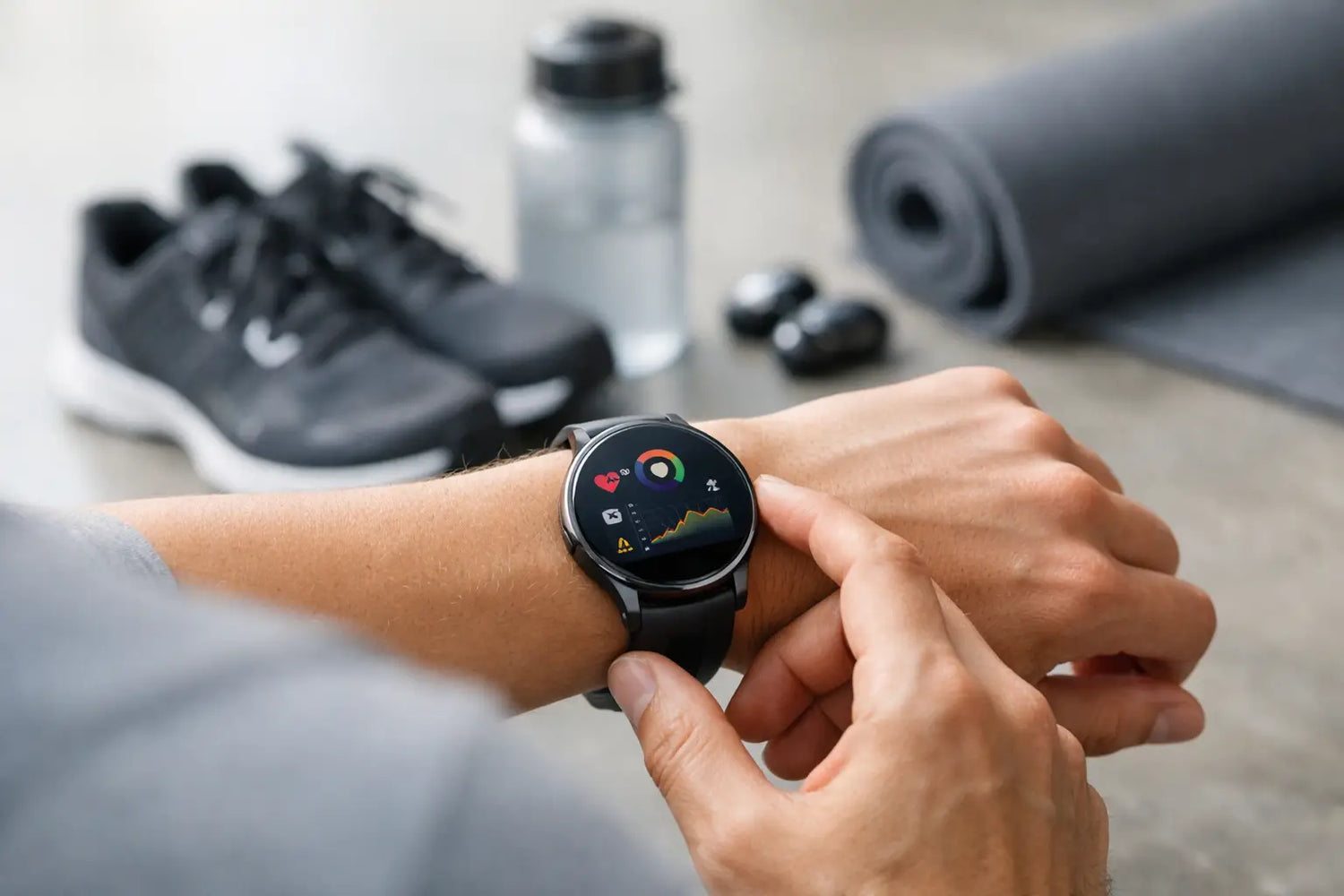
You do not need a wrist computer built for climbing Everest just to count steps, track a walk, and make sure your heart rate is not doing anything weird during a quick workout. That is exactly why this smartwatch for casual fitness review matters. For most people, the best smartwatch is not the one with the longest spec sheet. It is the one you will actually wear every day.
If your workouts look more like walks, light runs, gym sessions, cycling, yoga, and the occasional "I should probably move more" moment, your needs are different from a marathon runner's. You want something easy, comfortable, useful, and priced like a smart buy instead of a monthly crisis. That changes how you should judge a smartwatch.
What a smartwatch for casual fitness should actually do
A lot of smartwatch marketing is built around extremes. Elite tracking. Adventure modes. Performance metrics with names that sound like they were invented in a sports lab. Fun to read, sure. Necessary for most buyers? Not really.
For casual fitness, the basics need to be very good. Step counting should feel consistent. Heart rate tracking should be accurate enough for daily trends and workouts. Sleep tracking should be simple to understand. The watch should handle sweat, all-day wear, and a few bumps without acting fragile. It should also connect smoothly with your phone, because if syncing becomes annoying, the watch ends up in a drawer next to old charging cables and mystery adapters.
That means a good casual fitness smartwatch is less about chasing every advanced stat and more about balancing comfort, battery life, clear health data, and smart features you will use. Think notifications, timer, weather, music control, and maybe GPS if you like outdoor walks or runs.
Smartwatch for casual fitness review - the features that matter most
The first thing to judge is comfort. If a smartwatch feels bulky, pinches your wrist, or turns into a sweaty brick during light exercise, it is already failing the assignment. Casual fitness only works when the watch becomes part of your routine. Lightweight designs usually win here, especially for people who want to wear the watch to sleep for recovery or sleep tracking.
Display quality comes next. A bright screen sounds like a luxury feature until you try checking your stats outdoors in full sun. Touch response matters too. If menus lag or swipes misfire, even a good-looking watch starts feeling cheap fast.
Battery life is where trade-offs show up. Watches with richer displays and more app features often need more charging. Simpler models can stretch several days, sometimes longer. If you hate charging another device every night, prioritize battery life over extra bells and whistles. That is not glamorous advice, but it is honest advice.
Fitness tracking accuracy also matters, just not in a perfectionist way. For casual users, the watch should capture general trends well. You want to know whether you hit your step goal, whether your walk raised your heart rate, and whether your sleep has been decent this week. Tiny data differences are less important than consistency. A watch that is slightly conservative but reliable is usually more useful than one that throws random spikes into your stats.
Where budget watches surprise you
Affordable smartwatches have gotten a lot better. That is good news if you want a lifestyle upgrade without spending premium-brand money just for the logo. Many lower-cost models now cover the essentials really well: heart rate monitoring, blood oxygen estimates, workout modes, sleep tracking, message alerts, and decent battery life.
The catch is usually in refinement. App design may be less polished. Sensors may take longer to lock onto activity. Materials might feel more plasticky. Notifications can be basic instead of interactive. But if your goal is casual fitness and daily convenience, those compromises may not matter much.
This is where value becomes the real headline. A watch does not need to be the most advanced option on the market to be the right one for your routine. If it tracks walks, gym sessions, and sleep reliably while still looking good enough to wear to work or class, that is a win.
Premium models are nice, but not always necessary
There is no denying premium smartwatches can feel great. Faster processors, smoother software, sharper displays, stronger app ecosystems, and often better sensor quality all add up. If you like polished tech and plan to use the watch heavily beyond fitness, the extra cost can make sense.
But for casual fitness, premium can quickly become overkill. You may end up paying for advanced recovery metrics, deep third-party app support, cellular options, or hardcore sport tracking profiles you will never open. It is a bit like buying a race car for grocery runs. Cool? Absolutely. Practical? Depends on your budget and how much you enjoy the extras.
The better question is not "What is the best smartwatch overall?" It is "What will I realistically use three months from now?" That question saves people money.
Comfort, style, and everyday wear matter more than people think
A smartwatch for casual fitness review should never ignore style, because this is not just gym gear. It is something you may wear all day, every day. If it clashes with your clothes, feels too sporty for work, or looks toy-like, you will wear it less often. Less wear means less useful data and less value.
The sweet spot is a watch that looks clean enough for everyday outfits and sporty enough for workouts. Interchangeable bands help a lot. So does a case size that fits your wrist instead of dominating it. Big screens are easier to read, but oversized watches can get annoying during sleep or desk work.
Water resistance is another practical detail. Even casual users benefit from a watch that can handle sweat, rain, hand washing, and maybe pool time. You do not want to baby a fitness watch.
The phone connection can make or break the experience
Specs sell the watch, but the app often decides whether you keep using it. If the companion app is cluttered, hard to read, or constantly asking for permissions in ten different directions, the experience gets old fast.
A good app should make your daily stats easy to understand at a glance. Steps, calories, active minutes, sleep, and heart rate trends should be obvious. Bonus points if it makes goals feel motivating instead of naggy. Nobody needs their watch acting like a disappointed coach because they skipped one workout.
Compatibility matters too. Some watches work better with certain phones, and that gap can affect calling features, message replies, syncing speed, and app stability. Before buying, checking how well a watch plays with your phone is not boring research. It is smart research.
Who should buy one after reading this smartwatch for casual fitness review?
If you are trying to build better habits, a casual fitness smartwatch can be a genuinely helpful nudge. It makes movement visible. It turns vague intentions into numbers you can actually track. That can be surprisingly motivating, especially if you are walking more, getting back into exercise, or trying to stay a little more honest about sleep.
It is also a strong pick for people who want convenience beyond workouts. Seeing calls, messages, timers, and reminders on your wrist is one of those features that sounds minor until you get used to it. Then suddenly checking your phone every five seconds feels a little extra.
On the other hand, if you hate wearing anything on your wrist, ignore notifications on principle, and do not care about daily metrics, a smartwatch may not change your life. That is fine too. Not every gadget needs to become your personality.
The best buying mindset: useful first, flashy second
The smartest way to shop is to start with your actual habits. If you mostly walk, do light cardio, hit the gym a few times a week, and want a little health insight without tech overload, keep your checklist simple. Prioritize comfort, battery life, readable stats, reliable basics, and a design you will enjoy wearing.
Then look at the extras. GPS is nice if you exercise outdoors without your phone. Music controls are handy for runs and treadmill sessions. Call support is useful if you like staying reachable. But these should be add-ons to a strong core, not distractions from it.
That is why stores like Timo Market appeal to shoppers who want exciting, useful gear without turning every purchase into a research project. The goal is not to buy the most complicated watch on the internet. The goal is to find one that fits your life, feels good on your wrist, and makes getting active a little easier.
The best casual fitness smartwatch is usually the one that feels easy from day one and still feels worth wearing on day one hundred.

Leave a comment
This site is protected by hCaptcha and the hCaptcha Privacy Policy and Terms of Service apply.