
Freshly waxed skin feels amazing - until you remember you need to grow the hair out before your next appointment. An at-home IPL device promises a different kind of convenience: less regrowth over time, from your own bathroom. In the IPL epilator versus waxing debate, the better option depends less on hype and more on your hair color, skin tone, pain tolerance, budget, and how much maintenance you can realistically handle.
One quick reality check before we compare: IPL is not technically an epilator. An epilator pulls hairs from the root with tiny rotating tweezers. IPL, short for intense pulsed light, uses light energy to target pigment in the hair and gradually reduce regrowth. People often call these devices “IPL epilators,” so you will see that phrase while shopping, but they work in very different ways.
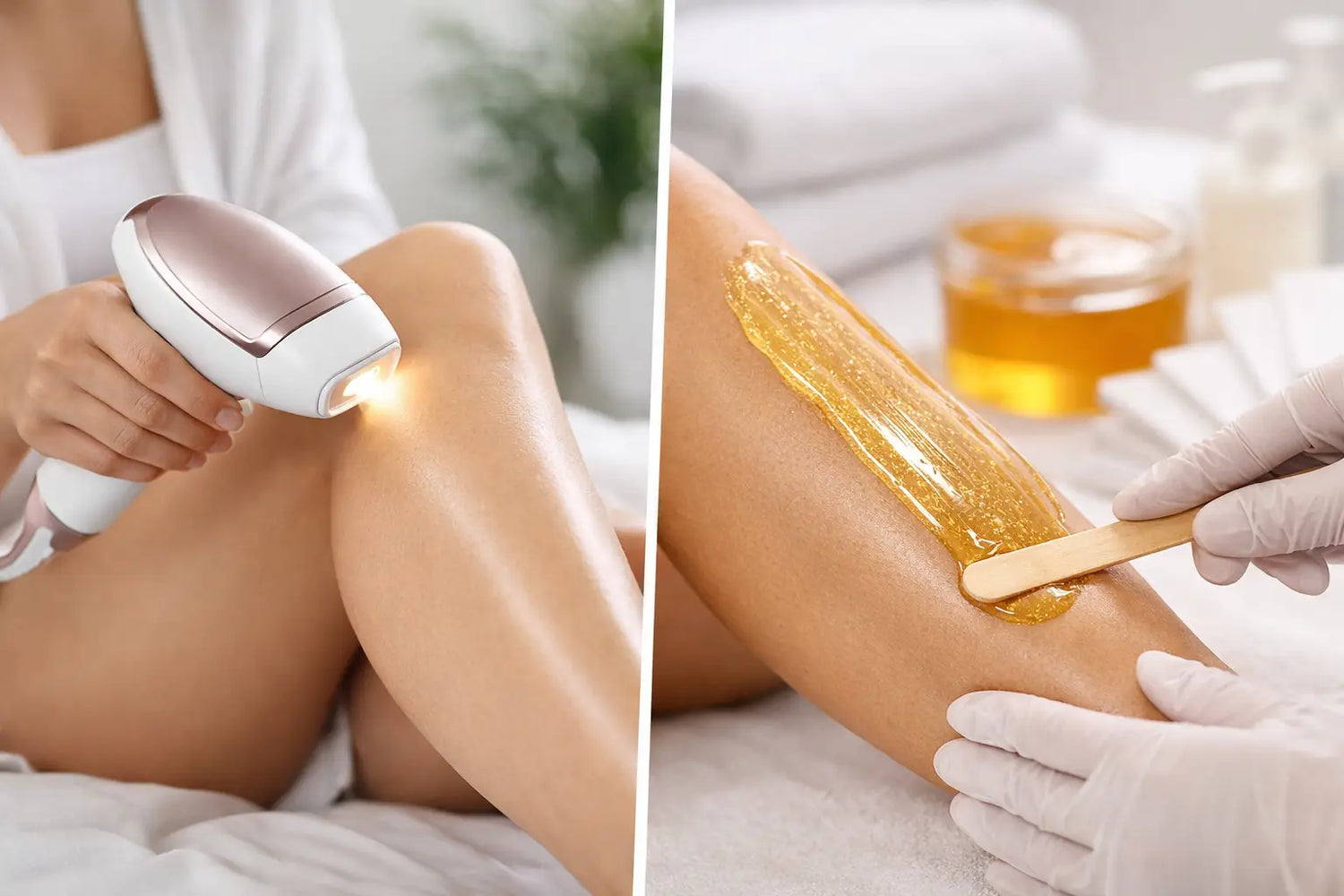
IPL Epilator Versus Waxing: The Big Difference
Waxing removes visible hair immediately. Warm or cold wax grips the hair, then pulls it from the root. Your skin can stay smooth for roughly three to six weeks, depending on your natural growth cycle and the area you treat. It is fast, familiar, and works on a wide range of hair colors and skin tones when done correctly.
IPL works gradually. The flashes of light are designed to disrupt the hair growth cycle while the hair is actively growing. That means consistent treatments matter. Most home IPL routines start with regular sessions for several weeks, followed by occasional touch-ups. You do not get the instant glass-smooth result of a wax appointment, but successful users often see less hair growing back and spend less time removing it later.
Think of waxing as the quick outfit change before a weekend away. IPL is more like building a low-maintenance routine that pays off over months.
Results: Instant Smoothness or Less Regrowth?
If you have an event Friday night, waxing wins on immediate results. It removes hair on the spot, and you can book a professional appointment or handle it at home if you are confident with the technique. The catch is that it is a repeat purchase of time, products, or salon visits. Hair grows back, and the cycle starts again.
IPL needs patience. During the early stage, you may still need to shave between sessions. You should not wax, tweeze, or use a traditional epilator during an IPL program because the light needs the hair root present to do its job. Shaving is usually the go-to prep because it leaves the follicle intact while keeping surface hair short.
Results vary widely, but IPL can be a strong fit for someone tired of constantly thinking about body hair. Areas such as legs, underarms, bikini line, and arms are common choices. Facial use depends on the specific device and its instructions, so never treat an area a device says to avoid.
Pain and Comfort: No Option Is Completely Drama-Free
Waxing has a reputation for a reason. Removing many hairs at once can sting, especially on sensitive areas. The discomfort is brief, but redness, tenderness, and little bumps can linger for a day or two. The experience may get easier with regular waxing, though that is not exactly a universal fan favorite.
IPL usually feels like a warm snap from a small elastic band. Some spots, especially the bikini area or underarms, can feel more intense than others. The upside is that there is no ripping action and no need to wait for hair to grow long enough for wax to grip it.
Comfort is also about timing. Waxing can require you to plan around irritation, swimming, workouts, sun exposure, or a beach day. IPL also calls for care, particularly around sun exposure, but it lets you spread treatments into shorter sessions at home. If your schedule is packed with work, gym time, gaming nights, and everything else, that flexibility can be a major win.
Who IPL Works Best For
At-home IPL is generally most effective when there is a clear contrast between darker hair and lighter skin. The light targets melanin, the pigment in hair, so very blonde, gray, white, or red hair may not respond well. Some devices have skin-tone sensors or recommended tone ranges, but those features do not make every device safe or effective for every person.
This part deserves zero guesswork. Read the device manual before buying and again before your first session. Check its stated compatibility with your skin tone and hair color. Avoid use over tattoos, very dark spots, irritated skin, open cuts, or areas with a recent tan unless the manufacturer specifically says otherwise. Certain medications and skin conditions can also make light-based treatments a poor choice, so ask a qualified healthcare professional if you are unsure.
Waxing is often the more inclusive option for hair colors that IPL cannot target well. A skilled waxing professional can also adjust technique and wax type for different areas and skin needs. That does not mean waxing is automatically risk-free. Incorrect technique, over-exfoliation, sun sensitivity, and retinoid use can all raise the chance of irritation or skin lifting.
Cost: The Upfront Buy Versus the Repeat Routine
Waxing looks less expensive at first because you only pay for one appointment or one box of strips. But costs can stack up quickly when you wax legs, underarms, bikini line, or brows throughout the year. Professional waxing is convenient, while DIY waxing may save money but can be messy enough to test anyone’s patience.
An IPL device usually costs more upfront. Once you own it, however, you can treat approved areas at home without paying for a new appointment every few weeks. For someone who regularly pays for salon waxing, the math can start to look appealing over time.
The real value question is not simply, “Which is cheaper?” Ask, “Will I actually use it consistently?” An IPL device gathering dust in a drawer is not a bargain. On the other hand, if salon appointments keep getting postponed because life is busy, an at-home device may be the convenience upgrade you have been looking for.
The Maintenance Factor Nobody Loves
Waxing requires hair growth between sessions. Many people need about a quarter-inch of growth for wax to grab effectively, which can mean a few in-between days when shorts, swimsuits, or spontaneous plans feel less appealing. You may also need to schedule exfoliation carefully to help prevent ingrown hairs.
IPL routines require a different kind of consistency. You will typically shave, treat the area according to your device schedule, and protect the skin from excess sun exposure. Early sessions can take time if you are treating large areas like both legs. The good news is that sessions may become less frequent after the initial treatment phase.
Neither choice is zero-effort. Waxing creates a recurring reset; IPL asks for a front-loaded habit. Choose the maintenance style that sounds easier for your actual life, not your most motivated Sunday-self.
Can You Switch From Waxing to IPL?
Yes, but do not go straight from a wax strip to an IPL flash. After waxing, wait until hair has grown back enough for the IPL device to target it, following the timing and preparation instructions in its manual. Because waxing removes the root, treating immediately afterward usually will not be productive.
Before your first full IPL session, do a patch test exactly as directed. Keep the treated area clean, dry, and free from products that could irritate the skin. Skip the temptation to crank the device to its highest setting just to speed things up. Safe, steady use beats one heroic session followed by angry skin.
So, Which One Should You Choose?
Choose waxing if you want immediate smoothness, have hair that is too light for IPL to target, prefer professional care, or only remove hair occasionally. It is reliable for a last-minute event and does not require a long treatment plan.
Choose IPL if you have compatible skin and hair characteristics, want to reduce regrowth over time, and like the idea of handling treatments at home. It is especially compelling if repeat waxing appointments are already part of your monthly spending.
The best beauty tool is the one that fits your routine without turning self-care into another chore. Start with what you want most right now - instant results, lower long-term maintenance, or simple convenience - then make your smooth-skin plan from there.



Leave a comment
This site is protected by hCaptcha and the hCaptcha Privacy Policy and Terms of Service apply.