
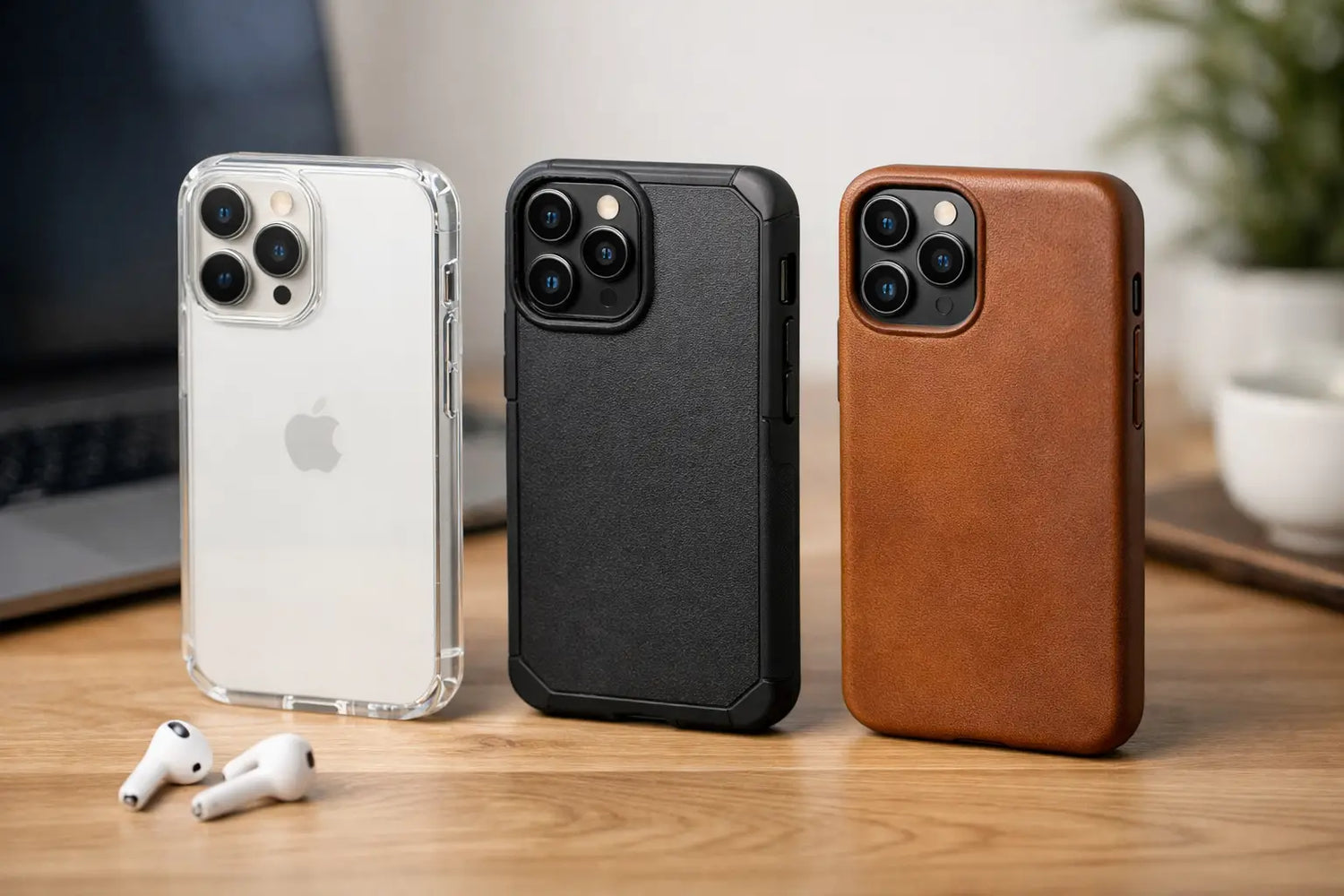
You usually figure out which cover is best for iPhone about half a second after your phone slips out of your hand. That tiny heart-drop moment is when case shopping gets real fast. But the right cover is not just about surviving a fall - it is also about grip, pocket feel, camera protection, charging convenience, and whether you want your phone to look clean or make a statement.
If you are trying to pick one without wasting money on a case that feels bulky, slippery, or weirdly cheap, the short answer is this: the best cover depends on how you use your iPhone every day. A commuter, a gym-goer, a heavy traveler, and someone who mostly wants their phone to stay pretty do not need the same thing. That is where most people get stuck.
Which cover is best for iPhone for most people?
For the average iPhone user, a slim shock-absorbing case with raised edges and MagSafe compatibility is the sweet spot. It gives you real protection without turning your phone into a brick. You still get easy pocket access, better grip than a naked phone, and enough camera and screen lift to help with everyday drops.
That middle-ground option wins because it avoids the two classic regrets. One is buying a super-thin case that looks nice but does almost nothing when the phone hits concrete. The other is buying a tank of a case that feels safe but makes your iPhone annoying to hold, text on, and carry.
A good everyday case should feel secure in one hand, have responsive buttons, and protect the corners well. Corners take a beating in real-world drops, so that matters more than flashy materials or marketing buzzwords.
The main iPhone cover types and who they suit
Slim cases
Slim cases are for people who hate bulk. They keep the iPhone closer to its original shape, slide easily into pockets, and usually look the cleanest. If your phone mostly lives in your hand, on a desk, in a car mount, or in a small bag, a slim cover can be a great fit.
The trade-off is obvious. Slim cases usually protect against scratches, minor bumps, and short drops better than they protect against a bad fall onto pavement. Some are basically style accessories with slightly raised lips.
If you want minimalism without regret, look for a slim case with shock-absorbing TPU or hybrid construction instead of a hard plastic shell alone. Hard-only shells can feel slick and do not always handle impact well.
Rugged cases
Rugged cases are the answer if your phone has a hard life. Think construction sites, outdoor workouts, frequent travel, long commutes, kids grabbing your phone, or a history of dropping it every other week. These cases usually have thicker corners, multi-layer builds, and more serious drop protection.
The downside is size. Rugged covers can make an already large iPhone feel massive. Wireless charging may still work, but sometimes less smoothly, and your phone may not fit as easily into tight pockets or slimmer mounts.
For some people, that bulk is absolutely worth it. If replacing a cracked phone sounds worse than carrying a heavier one, rugged is probably your lane.
Clear cases
Clear cases are popular for one reason - people actually like the color of their iPhone. If you paid extra for a fresh finish, hiding it behind an opaque case can feel a little tragic. A clear cover lets the design show while still adding a layer of protection.
This style can be great if you want a simple, modern look. But clear cases come with a catch: many of them yellow over time, especially cheaper ones. Some also show fingerprints and dust more than tinted or matte designs.
If you go clear, anti-yellowing materials and a slightly grippy edge are worth looking for. Otherwise the case can end up looking tired way too soon.
Wallet cases
Wallet cases combine phone protection with card storage, which sounds convenient because it is. They are useful for light travel, quick errands, nights out, or anyone tired of carrying both a phone and wallet.
Still, they are not for everyone. They add thickness, can feel awkward in one hand, and often sacrifice some speed and simplicity. If you use MagSafe chargers, magnetic mounts, or pop-on accessories a lot, a wallet design can get in the way.
They work best for people who truly want less in their pockets, not just a case with extra features for the sake of it.
MagSafe-compatible cases
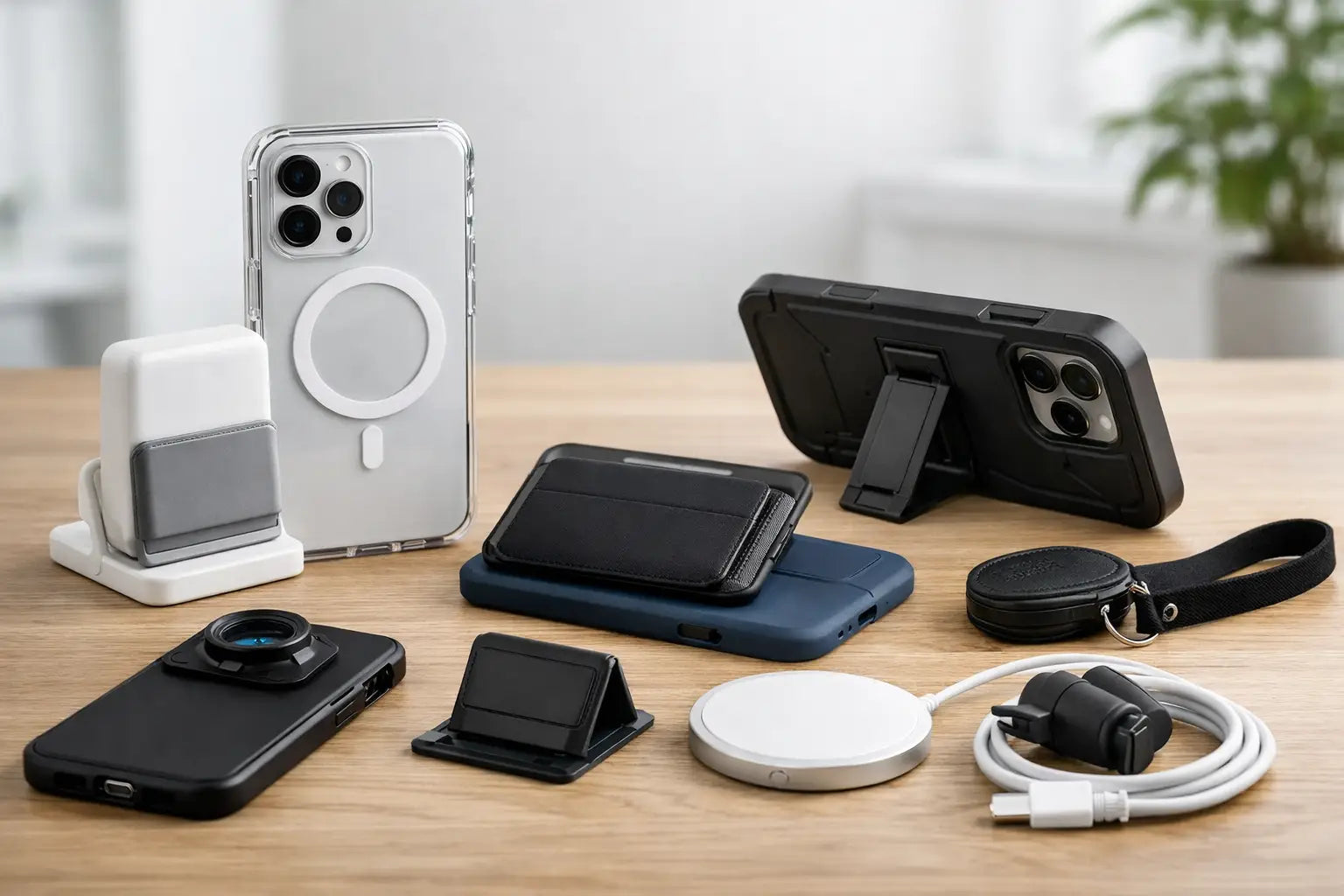
If you use magnetic charging, stands, wallets, battery packs, or car mounts, MagSafe compatibility matters more than many people expect. A proper MagSafe case makes accessories snap on more securely and work more reliably.
This is one of those features that feels optional until you use it every day. Then going back feels mildly annoying. If convenience is your thing, it is a smart upgrade.
The key detail is real magnetic alignment, not vague “wireless charging friendly” language. A case can allow wireless charging and still be mediocre with magnetic accessories.
Which cover is best for iPhone if you drop it a lot?
If drops are your pattern, not your occasional bad luck, go for a rugged or hybrid protective case with reinforced corners, raised bezels, and good grip. Grip matters more than people think. A phone that stays in your hand is better than one with extreme drop protection that still slips like a bar of soap.
Textured sides, matte finishes, and slightly rubberized materials tend to help. Super glossy cases may look sleek on day one, but they can be surprisingly slippery.
Also, do not ignore screen and camera lip protection. A case should lift both slightly off flat surfaces. That small detail makes a big difference over time.
Which cover is best for iPhone if you care about looks?
If aesthetics are the top priority, slim cases and clear cases are usually the winners. They preserve the iPhone’s shape, keep things light, and feel less like a survival tool clipped onto a luxury device.
That said, good-looking does not have to mean fragile. Plenty of modern cases blend clean design with practical protection. The trick is avoiding the ultra-thin category that feels nice in photos but underwhelming in real life.
A matte finish often gives you the best balance here. It looks premium, resists fingerprints better, and usually offers better grip than high-gloss finishes.
Materials matter more than marketing
A lot of case shopping gets lost in branding, but materials tell you more. TPU is flexible and good at absorbing shock, which makes it a strong choice for protection. Polycarbonate is harder and helps with structure, but on its own it can be less forgiving during impact. Hybrid cases combine the strengths of both, which is why they are so common in well-balanced designs.
Silicone cases feel soft and grippy, and many people love that. The downside is they can attract lint and may not slide into pockets as cleanly. Leather-style cases can look polished, but quality varies a lot, and they are not always the best value if your priority is drop protection.
If a case sounds impressive but does not clearly explain its materials or protective design, that is usually a hint to keep scrolling.
A quick reality check before you buy
Ask yourself how you actually use your phone, not how you wish you used it. If you are always on the move, your case should favor grip and drop protection. If your phone rarely leaves safe surfaces, you can get away with something slimmer. If you use magnetic accessories daily, make MagSafe a must-have instead of an afterthought.
Also think about replacement cycles. A cheap case that yellows, cracks, or stretches fast is not really a deal if you end up replacing it soon. Value is not just the price tag - it is how long the case stays useful and good-looking.
For most shoppers, the smartest buy is not the thinnest, cheapest, or toughest option. It is the one that fits your habits without adding friction to your day. That is usually where the best finds live, and it is why stores like Timo Market tend to catch attention with accessories that feel practical, current, and easy to say yes to.
So, which cover is best for iPhone? The one that makes your phone easier to live with, not just harder to break. Pick for your real life, and you will get it right the first time.




Leave a comment
This site is protected by hCaptcha and the hCaptcha Privacy Policy and Terms of Service apply.